
Most “why visit Romania” lists could be about any country in the region with the names swapped out. I’ve been running trips here for years, so here’s a version with actual specifics: real numbers, real place names, and a couple of corrections to things other articles get wrong.
1. Architecture that ranges from Gothic to genuinely bizarre
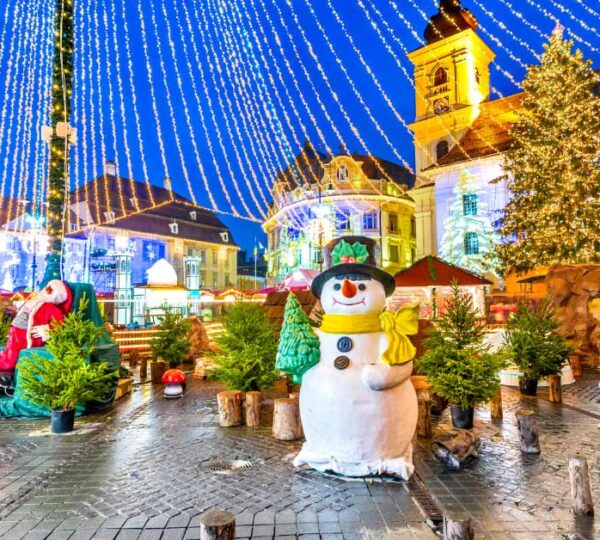
Sibiu’s medieval old town, with its stepped roofs and the “eyes” peeking out of the attic windows, earned it the European Capital of Culture title in 2007, the first Romanian city to get it. Timișoara followed in 2023, and its nickname, “Little Vienna,” is fair: the city was rebuilt under Habsburg rule and still has the Baroque squares to prove it.
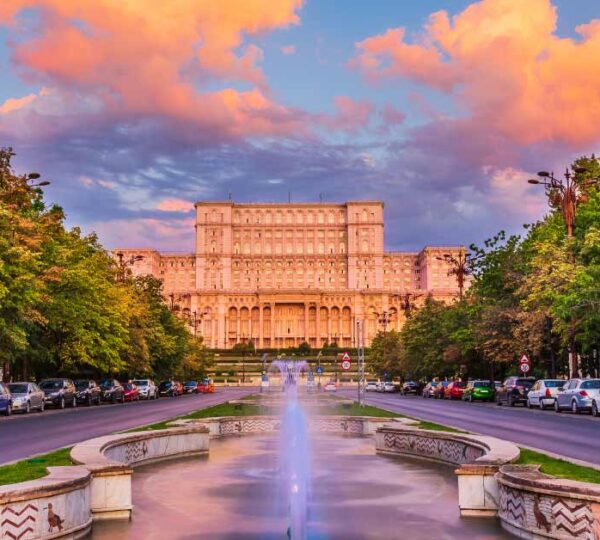
Then there’s Bucharest’s Palace of Parliament, and no list of Romanian buildings is honest without it. Built under Ceaușescu starting in 1984, at the cost of an entire historic neighborhood bulldozed to make room, it’s the second-largest administrative building in the world after the Pentagon, with over 1,000 finished rooms out of more than 3,000. You need a passport and a booked guided tour to get in. It’s not a pretty story, but it’s an unmissable one.

2. Mountains that are genuinely wild, not just scenic
The Carpathians curve through nearly a third of the country, and they’re still wild enough that brown bears, wolves, and lynx live in them in real numbers, not just on postcards. For skiing, Poiana Brașov and Predeal run December through March. For driving, Transalpina, the highest paved road in Romania, tops out at 2,145 meters at Urdele Pass and is only open roughly June to October before snow closes it again. It’s quieter and less photographed than Transfăgărășan, which I’d call an advantage, not a downside.
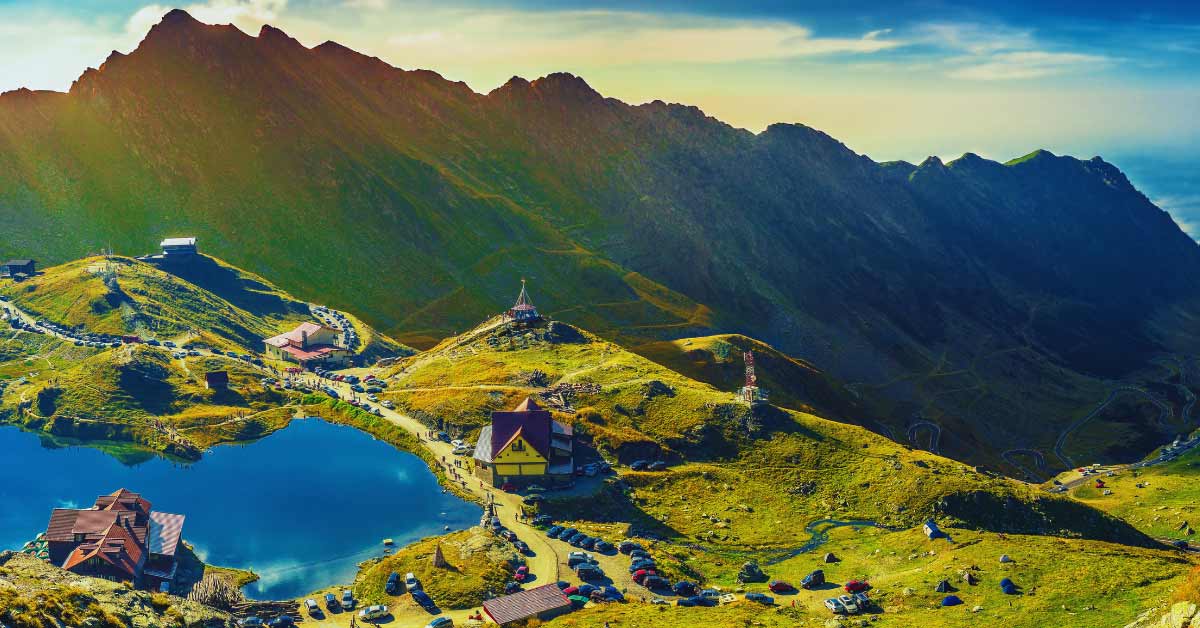
Bâlea Lake and Transfăgărășan Road
3. Bran Castle, and what it actually is
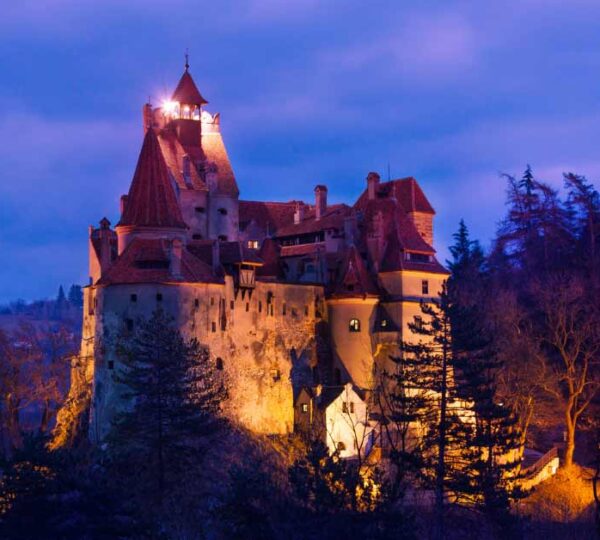
Bran gets marketed as Dracula’s Castle, and it draws crowds on that alone. The honest version: there’s no evidence Vlad the Impaler ever lived there, and Bram Stoker, who wrote the novel, never set foot in Romania. What Bran actually offers instead is a genuine 14th-century customs fortress that once collected a toll on goods crossing between Wallachia and Transylvania, plus a real royal history: it was Queen Marie’s home in the 1920s, and her heart was briefly kept there after her death.
I’ve written a complete guide to visiting Bran Castle with current ticket prices and hours if you’re planning the visit. That article also gets into the timed-entry system and the current ownership situation, both of which have changed more than once in recent years. Bran is also just one entry on a much longer list, and our guide to Romania’s castles and their legends covers the rest of them.
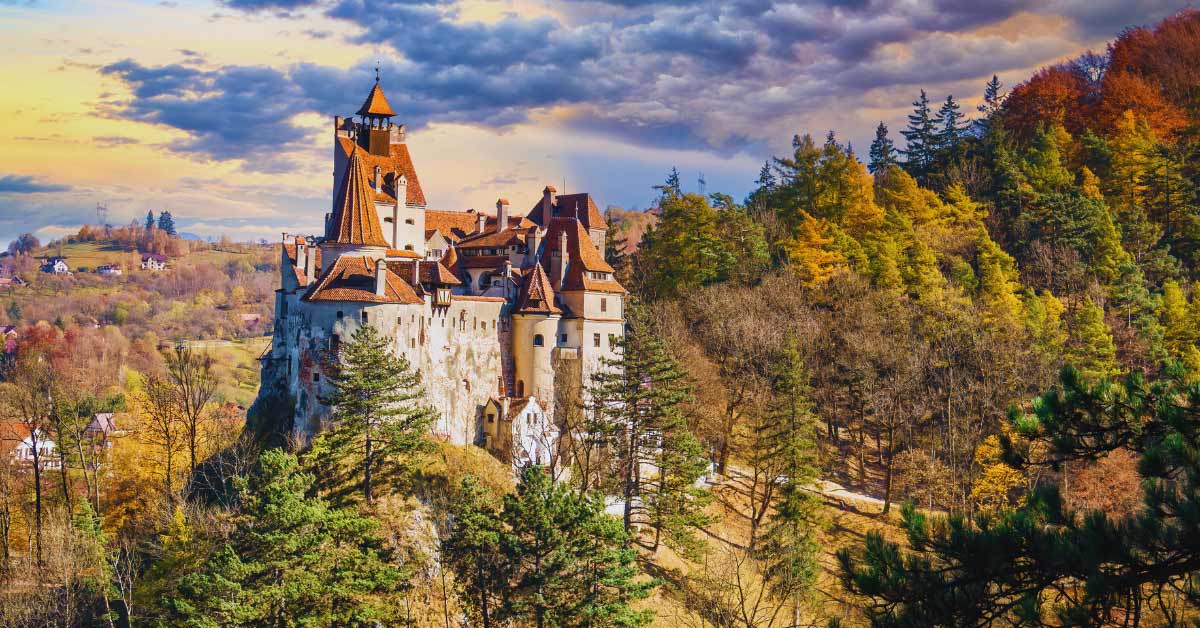
Bran Castle
4. Painted monasteries and a Brâncovenesc masterpiece
The painted monasteries most people mean when they say this are in Bucovina, in Romania’s historic Moldavia region, not the neighboring country of the same name, worth being precise about since the two get mixed up. Their exterior frescoes, painted in the 15th and 16th centuries, are UNESCO-listed and still legible after five centuries outdoors.
Horezu Monastery, in Wallachia, is a different style entirely: Brâncovenesc architecture, a synthesis of Byzantine, Ottoman, and Renaissance elements that only really exists in Romania, developed under the patronage of Prince Constantin Brâncoveanu in the late 17th century. The carved stone porches and painted icons inside are worth the detour even if monasteries aren’t usually your thing. Our guide to Romania’s most beautiful monasteries covers both regions in more depth.

Voroneț Monastery
5. Food that doesn’t apologize for being heavy
Mămăligă (cornmeal porridge), sarmale (cabbage rolls stuffed with meat and rice), and mici (grilled minced-meat rolls, always with mustard, never without) are the three dishes I’d tell a first-time visitor not to skip. A proper sit-down meal with these runs somewhere around 40 to 70 RON in most cities, cheaper outside Bucharest and the coast. Pair it with a glass of red from Dealu Mare or a white from Cotnari, or, if someone offers you a shot of țuică or pălincă before noon, that’s normal here, not an emergency.
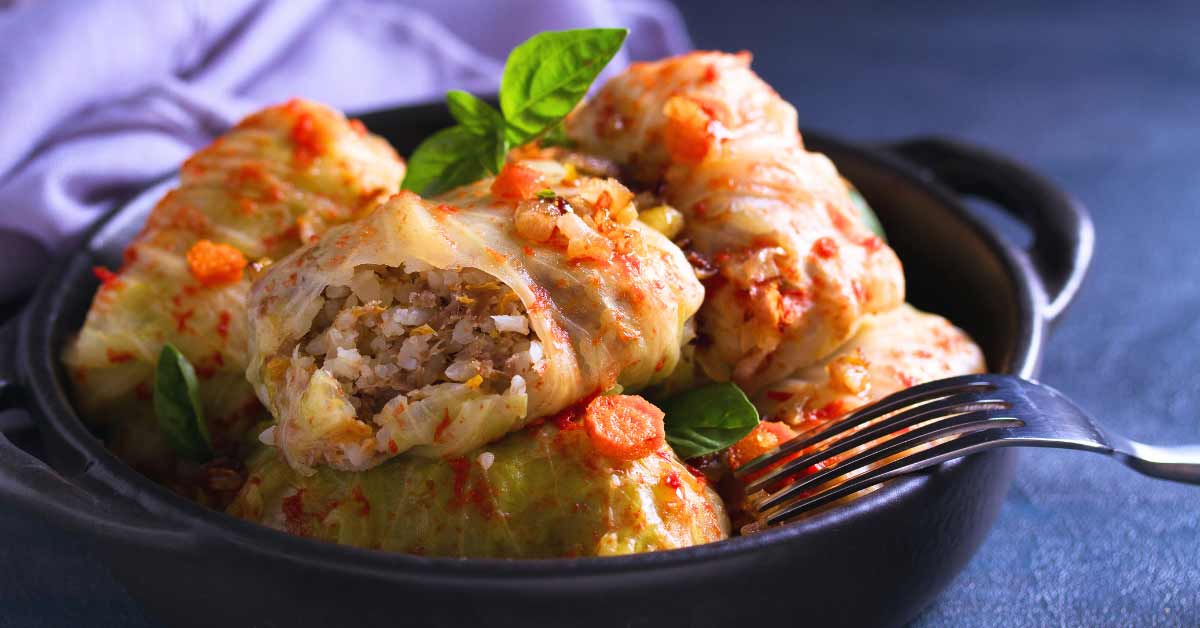
Sarmale Dish
6. Villages that a king actually chose to live in
Viscri, a UNESCO-listed Saxon village in Transylvania, is the one to know: King Charles III bought his first Transylvanian farmhouse there in 2006, after falling for the region on a visit in 1998, and the house is now open to the public as a small museum and can even be rented as a guesthouse. He’s returned most years since, and it’s part of why the fortified Saxon church villages in this part of the country have stayed intact rather than emptying out.
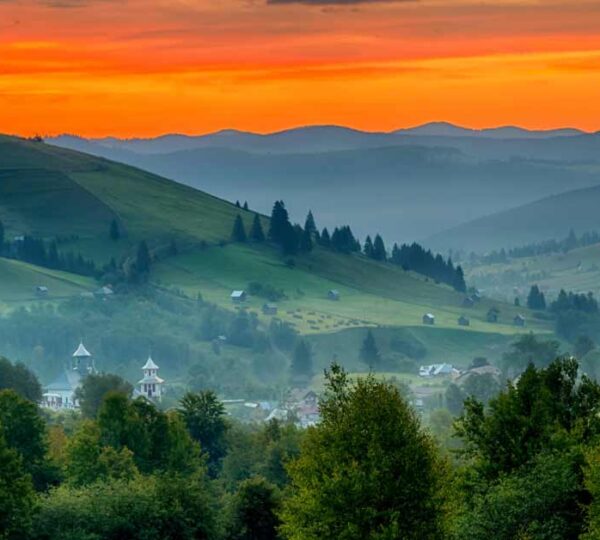
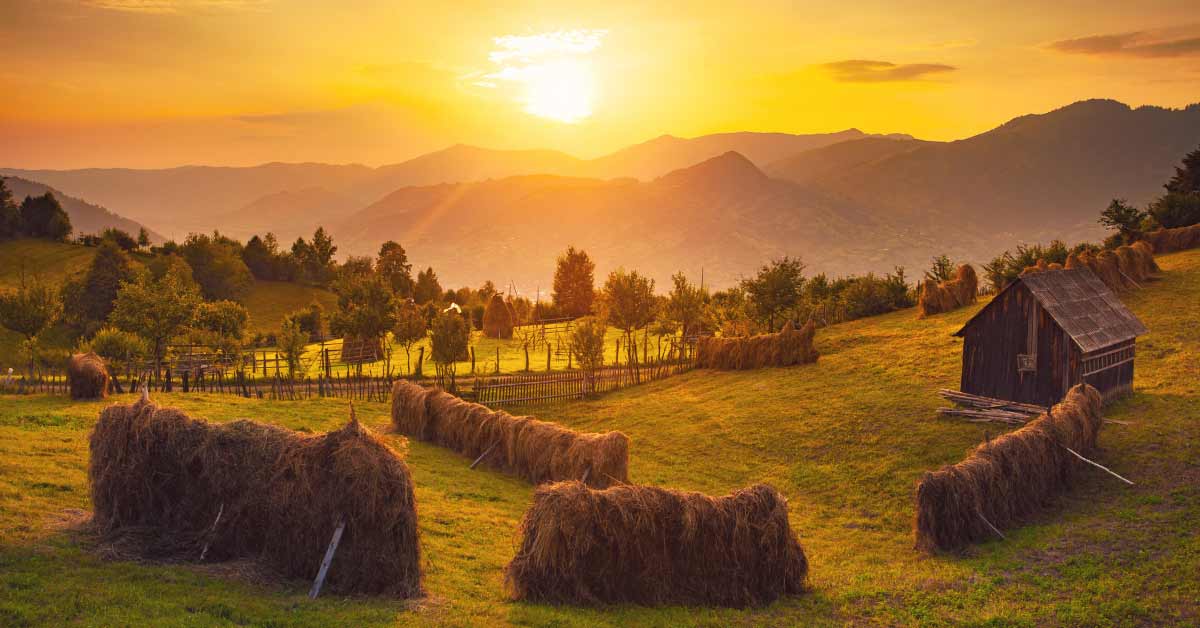
In Maramureș, villages like Breb, Botiza, and Ieud still run on wooden churches and hay-rick landscapes that haven’t changed much in a century, and Săpânța’s Merry Cemetery, with its brightly painted, sardonic epitaphs, is unlike any graveyard I’ve seen anywhere else. Most of this sits inside Transylvania proper, so it’s easy to fold into a longer regional trip rather than a single-village detour.

7. Prices that still make sense
A mid-range restaurant meal runs 40 to 70 RON, a local beer is usually 10 to 15 RON, and coffee is around 8 to 12 RON almost anywhere outside a five-star hotel. Guesthouses in most of the country run 100 to 250 RON a night, three-star hotels 250 to 450 RON, prices that climb in ski season and on the coast in August and drop everywhere else.
It’s not the cheapest country in the Balkans, but it’s noticeably cheaper than Western Europe for a comparable standard, and that gap hasn’t closed the way it has in some neighboring countries. Budget is usually one half of the “should I actually go” question; the other half is safety, and our guide to safe travel in Romania answers that one honestly too.
8. A festival scene that punches well above the country’s size
Untold, held every August in Cluj-Napoca, drew over 470,000 attendees across four days at its tenth edition in 2025 and was ranked the third-best festival in the world by DJ Mag in 2026. That’s not a small regional event: it’s genuinely one of the biggest electronic music festivals on the continent, and Cluj itself, the surrounding week, turns into one long street party.
If clubbing isn’t your thing, Bucharest’s Old Town (Lipscani) has enough bars and live venues to fill several nights on its own, and the city’s theaters and galleries run a real evening cultural calendar the rest of the year.

9. The Danube Delta, and what’s actually in it
Europe’s largest and best-preserved river delta holds the continent’s largest breeding colony of great white pelicans, somewhere around 14,000 to 15,000 pairs, plus a smaller but globally significant population of the rarer Dalmatian pelican. Beyond the birds, Letea Forest in the delta is one of the last places in Europe where wild horses still roam free.
Boat access is the only way in; Tulcea is the usual gateway town, and April through June is the better window than August, when the heat and mosquitoes both peak. I’ve written more on visiting the Danube Delta if you want the logistics.

10. Natural oddities you won’t find explained well anywhere else
The Sphinx and Babele rock formations on the Bucegi plateau, reachable by cable car from Sinaia, are wind-carved sandstone, not the alien-built monuments some tabloid articles imply. I’ve covered how to actually get up there in my guide to Sinaia and Peleș Castle.
For something genuinely strange, the Berca Mud Volcanoes in Buzău County, a protected reserve since 1924 and part of a UNESCO Global Geopark since 2022, bubble cold mud instead of lava at two sites, Pâclele Mari and Pâclele Mici, with cones reaching three to eight meters. And Salina Turda, a former salt mine near Cluj, is now the world’s largest underground amusement park: a Ferris wheel, mini-golf, and a rowable lake, all about 120 meters below ground at a steady 10 to 11 degrees Celsius year-round.

Mud Volcano in Buzău
These ten only scratch the list. If you want help building an actual itinerary around any of this rather than just reading about it, our Romania tours are a reasonable place to start, and reaching out directly works too if you’d rather plan something custom.