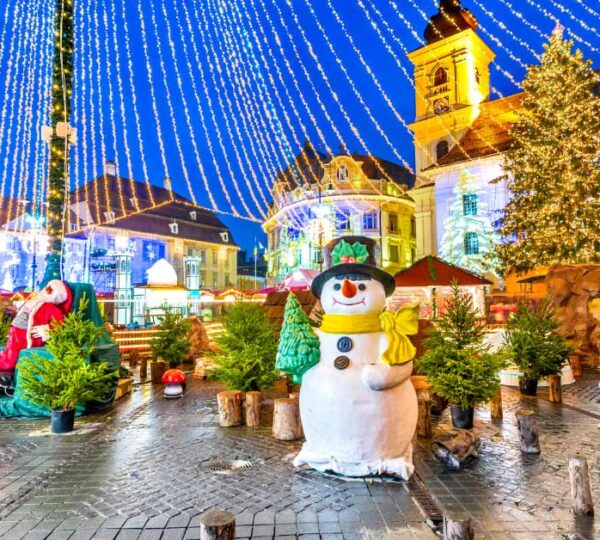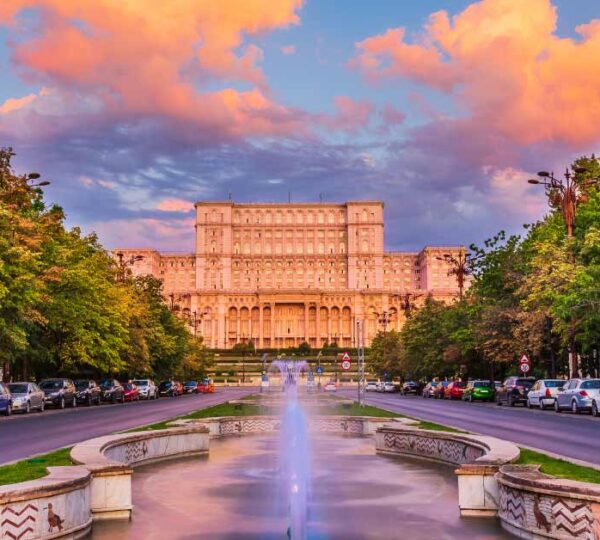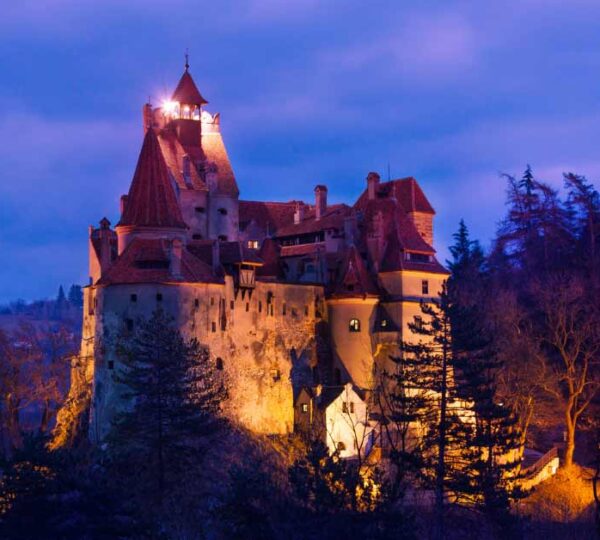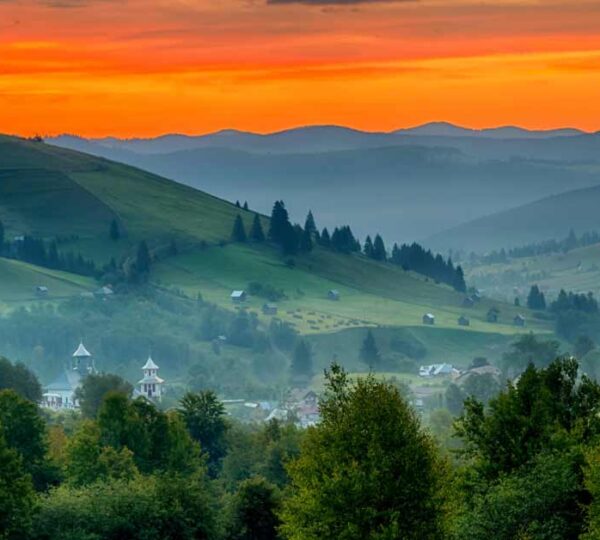

Yes, Dracula is there. Bran Castle sells the T-shirts. The tour buses roll in. And if the vampire legend is what brings you to Romania, I won’t talk you out of it – there’s a reason the Dracula tour through Transylvania keeps filling up. But after spending years traveling this country, bumping across unpaved forest roads in Maramureș, eating sarmale in a guest house kitchen where the recipe hadn’t changed in three generations, standing at the edge of the Danube Delta at 6am while pelicans lifted off the reed beds, I can tell you with complete confidence: the Dracula circuit is the least interesting thing Romania has to offer.
What follows are 13 experiences I’d recommend to anyone who wants to understand what this country actually is. Some are famous. A few are genuinely overlooked. All of them are worth your time on a Romania tour.
1. Drive the Transfăgărășan — but go in September, not August
The Transfăgărășan (DN7C) is Romania’s most famous road, and the praise is earned. It climbs from the Argeș Valley through the Făgăraș Mountains to a summit of 2042 metres, crosses a glacial lake at the top (Bâlea Lake), and drops through hairpin curves into the Sibiu region on the other side. Top Gear called it the best road in the world when they filmed there, and for once the hyperbole holds up.
But the timing matters more than most articles tell you. The road is officially closed from roughly November to late June due to snowfall – the exact opening date varies year to year, so check the CNAIR website before planning. And if you go in July or August, you’ll share that summit with hundreds of cars, food stalls, and souvenir vendors. Go in late September: the larch trees turn gold, the air is cold and clear, and you might have entire hairpin stretches entirely to yourself.
Practical note: The northern entrance (from Curtea de Argeș) is the more dramatic approach. Fill up with petrol before Curtea de Argeș, there are no fuel stations on the road itself. The full crossing from the Argeș valley to the Sibiu side takes about 1.5 to 2 hours depending on traffic, not counting stops.
2. Have coffee in Bucharest’s old courtyard cafes

The afternoon tea framing undersells what’s actually interesting about Bucharest’s coffee culture. Skip the trendy concept bars for a morning and instead find one of the old courtyard cafes – the courtyard spaces tucked inside Art Nouveau and interwar buildings in Centrul Vechi (the old town) and around Calea Victoriei.
Cărturești Carusel on Strada Lipscani is probably Bucharest’s most photographed interior – a restored 19th-century bookshop with a cafe built into the upper floors. It’s legitimately beautiful and not a tourist trap. Origo, on Strada Mendeleev, is where Bucharest’s specialty coffee scene actually lives – proper single-origin filter, rotating roasters, no fuss.
The honest truth about Bucharest is that it rewards the kind of slow wandering that most tour itineraries don’t allow for. The city was called “the Paris of the East” before WWII, and if you look past the communist-era blocks, you’ll find fragments of that city still standing. That story is worth an extra day. Our Bucharest city guide covers where to spend that time well.
3. Take a boat into the Danube Delta – and stay overnight if you can
The Danube Delta is Romania’s most globally significant natural area: a UNESCO Biosphere Reserve covering roughly 5,800 km², the second-largest river delta in Europe after the Volga, and home to over 300 bird species including Europe’s largest colony of white pelicans. Most visitors do a day trip from Tulcea and see the main channels. That’s fine. But the Delta is a different place entirely at dawn, when the tourist boats are still docked and the pelicans are moving.
If you can, book a night in a guesthouse in Crișan or Mila 23 – two villages accessible only by boat, about 35–40 km from Tulcea by the main Sulina channel. Guesthouse prices in 2024-2025 were running around 200–350 RON per person per night with half-board included (local fish, homemade mămăligă, sometimes fresh carp caught that morning). A private boat guide from Crișan costs roughly 300–450 RON for a half-day, depending on the route and season. Book through your guesthouse rather than through the Tulcea port operators, who target the day-trip market.
The Delta is best in May–June (birds nesting, water levels good) and again in September–October. Avoid the last two weeks of August because the mosquitoes and the crowds arrive in roughly equal numbers.
Our full guide to the Danube Delta has more on logistics and what to bring.
4. Visit the Libearty Bear Sanctuary near Brașov

The ARC Libearty Bear Sanctuary in Zărnești (about 30 km southwest of Brașov) is one of the most legitimately moving place I’ve been in Romania. It’s the largest brown bear sanctuary in the world: 70+ hectares of forested land housing over 100 European brown bears rescued from concrete zoo cages, roadside cages, and performance circuits.
You visit on a guided walking tour along raised wooden platforms – the bears roam freely below, entirely unaware of or indifferent to your presence, which is exactly the point. You’re not feeding them, you’re not performing for them, and they’re not performing for you. Watching a bear that spent its first five years in a 3-metre cage learn to climb a tree properly is something I didn’t expect to find genuinely affecting, but it is.
Practical details: The Libearty Bear Sanctuary is open year-round but closes Monday. Entry was 55 RON (children under 5 are not permitted, for safety reasons). Book ahead in summer, tours fill up. The drive from Brașov on DN73 to Zărnești takes about 40 minutes.
5. Spend two days with the painted monasteries of Bucovina – not two hours
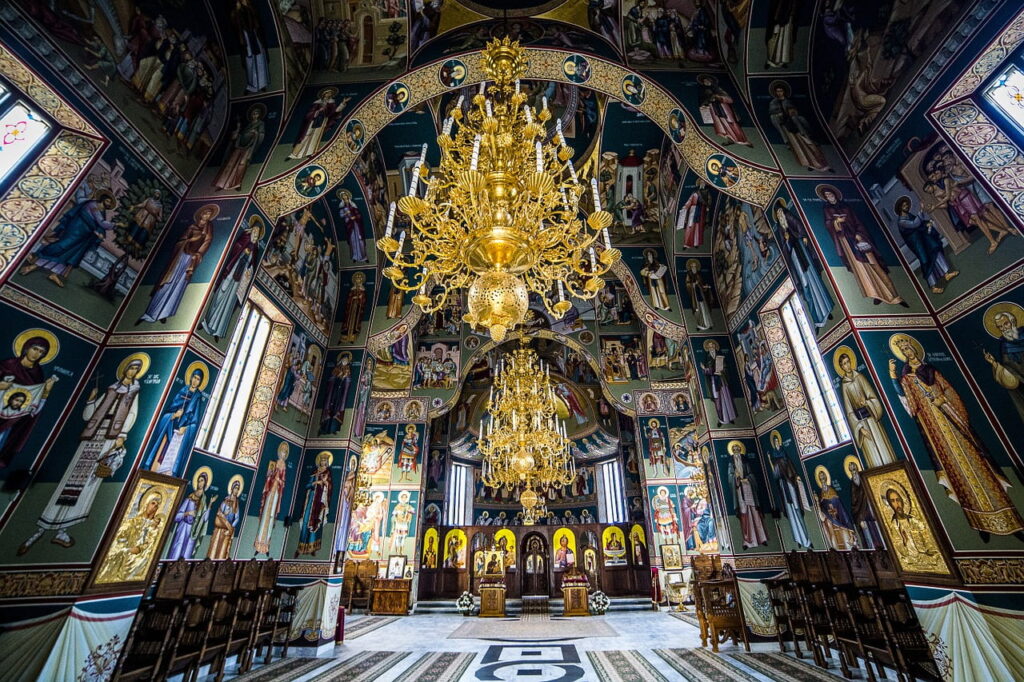
Most Transylvania-focused tour itineraries treat Bucovina as an afterthought – a half-day detour to tick Voroneț off the list and move on. That’s a mistake.
The UNESCO-listed painted monasteries of Bucovina, Voroneț, Sucevița, Moldovița, Humor, Arbore, were built in the 15th and 16th centuries during the reign of Ștefan cel Mare (Stephen the Great). What makes them extraordinary isn’t just their age: the exterior frescoes have survived 500 years of Carpathian winters with their colors largely intact. The Voroneț blue, a specific pigment that painters have never fully reproduced, still glows on the western wall. Sucevița’s Last Judgment fresco covers an entire exterior wall from ground to roofline.
Voroneț is the most famous and worth seeing first. But Sucevița is the one I’d go back to. It’s larger, better preserved, and set in a mountain valley that makes the whole complex feel genuinely remote even though it isn’t. The monasteries are 20–40 km apart, you need a car to do them properly, or a guided tour from Suceava or Gura Humorului. Entry to each monastery is 5–15 RON (verify before visiting, as fees change). Our guide to Romania’s most beautiful monasteries covers all five with practical logistics.
6. Go castle-hopping but understand what you’re actually visiting

Romania’s castles are extraordinary. Three are essential, but they tell very different stories and are often misrepresented:
Peleș Castle in Sinaia is a 19th-century neo-Renaissance palace built for King Carol I – technically not a medieval castle but one of the most elaborate royal interiors in Central Europe. The interior tour (booked at the ticket office in Sinaia; aprox. 50 RON for the standard tour) is the whole point. Don’t skip it for the exterior photos. Our Sinaia travel guide covers what else the town offers beyond the castle gates.
Bran Castle is marketed as Dracula’s castle but has only a tenuous historical connection to Vlad III. It’s still worth visiting, the building itself is genuinely medieval and the interior is well-presented, but go knowing what it is. If you want the fortress actually associated with Vlad Țepeș, that’s Cetatea Poenari, near Curtea de Argeș: 1480 steps up a Carpathian cliff, far less visited, and far more appropriately atmospheric. Our complete guide to Romania’s castles covers the full picture.
Corvin Castle (Castelul Huniazilor) in Hunedoara is the most dramatic of all three: a 15th-century Gothic-Renaissance fortification rising straight out of the Mureș valley floor, with a drawbridge, towers, and interior halls that actually look like what people imagine when they say “medieval castle.” Get there early, by 10am in summer the tour groups arrive, and the courtyard becomes a bottleneck.
7. Walk through the Merry Cemetery of Săpânța
Merry Cemetery in Săpânța, in the far north of Maramureș, is one of the few places that genuinely defies easy description. Starting in the 1930s, the craftsman Ioan Stan Pătraș began carving and painting wooden grave markers that depicted – in bright blue, yellow, and red – scenes from the dead person’s actual life. A farmer behind his plough. A woman at her loom. A man who drank too much. A soldier killed in the war. Each cross has a short poem in Romanian, sometimes rueful, sometimes sardonic, occasionally funny in a way that makes you uncomfortable with your own laughter.
Pătraș carved over 800 crosses before his death in 1977. His apprentice Dumitru Pop Tincu continues the tradition. The cemetery is still active, people buried here still receive new crosses in the same tradition. Entry is around 10 RON; Săpânța is about 15 km northwest of Sighetu Marmației on DN19.
I’d pair this with at least one night in Maramureș – staying in a guest house in Vadu Izei or Ieud and walking the working wooden churches that predate the cemetery’s fame by centuries. The region deserves more than a rushed day trip. Our guide to Maramureș and Bucovina goes deeper on the region.
8. Sleep in a Saxon village and stay more than one night

The Transylvanian Saxon villages, settled by German-speaking colonists from the 12th century onward, are among the most distinct cultural landscapes in Central Europe. The Saxons who built them are mostly gone now (the vast majority emigrated to Germany after 1989), but the fortified churches, the long-lot village layouts, the painted house interiors remain, maintained by a combination of local communities, NGOs, and Mihai Eminescu Trust.
Viscri is the most famous, partly because Prince Charles owns a renovated farmhouse there and partly because it’s genuinely beautiful. But that fame means it can feel managed in peak season. My preference is Biertan, with its UNESCO-listed fortified church (the largest and most elaborate in the Saxon region) and far fewer visitors per day. Malâncrav is smaller still, a single street of farmhouses, a Gothic church, and a Saxon guesthouse that serves food the villagers actually eat.
Staying overnight changes the experience completely. After the day visitors leave at 5pm, the village is yours. Guesthouse prices in the Saxon villages run roughly 150–280 RON per night including breakfast. Our complete guide to the Saxon villages covers the five I’d prioritize with driving distances and accommodation specifics.
9. Spend a proper day in Brașov, on foot, in the morning
Brașov is mentioned in documents from 1234 and has been a major Transylvanian city for most of that time. What makes it worth a serious visit isn’t any single landmark, it’s the experience of walking the old town when it’s not yet full: the Piața Sfatului (Council Square) before the coffe terraces open, the Black Church (the largest Gothic church in Romania, with a famous collection of Anatolian carpets inside – entry ~20 RON), the medieval gate towers, and the narrow lanes that run off the square up toward the fortress walls.
Strada Sforii – 1.32 metres wide at its narrowest – is said to be one of the narrowest streets in Europe. That’s slightly contested, but walking it still produces a genuine “how did anyone live here” reaction.
The Tâmpa mountain cable car above the city costs around 25 RON return and gives a clear view over the citadel, the Saxon church towers, and the surrounding Carpathian ridgeline. Do it before 9am if you want it to yourself. For more on what to do with a full day in the city, our Brașov guide covers it in detail.
10. Go to a Romanian music or food festival, but choose carefully
Romania’s festival calendar has grown significantly in the last decade, and some events are genuinely worth building an itinerary around. The ones worth knowing:
Electric Castle (Castelul Banffy, Bonțida, near Cluj-Napoca) runs in July and is one of Central Europe’s best multi-stage music festivals, held in the grounds of a partially ruined Baroque palace. It’s not a niche local event; it draws 200000+ visitors over four days. Book accommodation in Cluj-Napoca months in advance if you’re combining this with a city visit.
Festivalul Medieval Sighișoara (July) is smaller and more uneven in quality, but the setting, inside the medieval citadel, is hard to beat. The evening program, with the citadel lit at night and local food vendors along the stone walls, is worth seeing even if the daytime programming is variable.
For food specifically: the markets in small towns are more interesting than any festival. The Saturday morning piață in Sibiu, the food hall in Cluj’s central market, these are where Romanian food culture actually lives, not at curated “culinary experience” events. Our Romanian cuisine tour guide goes into the regional food differences worth knowing.
11. Spend time with a Roma family through a guide who has an actual relationship
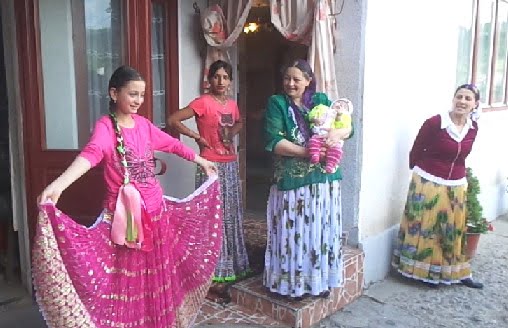
This experience exists on two of the Balkan Trails tours (the 11-night and 7-night Romania itineraries), and it’s the one guests most often describe as the moment the trip changed for them. Not because it’s dramatic, but because it’s the opposite of dramatic: you sit in someone’s kitchen, you drink coffee, you see how a family actually lives, and the guide translates not just the language but the cultural context.
Roma communities in Romania are among the most misrepresented populations in European travel writing, caricatured or ignored in equal measure. The visit we offer works because it’s based on a trust relationship built over years, not a performative “cultural experience” designed for cameras. You won’t get this through an improvised stop at a roadside settlement. The value is in the relationship the guide already has.
12. Eat your way through Bucharest beyond the tourist center
Romanian food in Bucharest is genuinely excellent and genuinely underpriced by Western European standards, but you have to get a few streets away from Centrul Vechi to find the real version of it.
What to eat and where to find it:
Covrigi, the Romanian street pretzel, are sold from heated glass cases outside bakeries throughout the city. The version with aged sheep’s milk cheese baked inside is the one you want. Cost: 3–6 RON each.
Ciorba de burtă (tripe soup, which tastes far better than it sounds, thickened with cream and finished with vinegar and garlic) is the canonical Bucharest hangover cure and a legitimate test of a restaurant’s kitchen. Caru’ cu Bere on Strada Stavropoleos is historic, beautiful, and slightly overpriced – go once for the Art Nouveau interior. For better food at normal prices, the area around Piața Matache has traditional restaurants that feed locals, not tourists.
Shaorma, the Romanian adaptation of doner, stuffed into a large flatbread with fries, pickles, and white sauce, is Bucharest’s actual street food culture, not a tourist novelty. The shaorma stands near universities (Piața Romană, Piața Unirii) are the ones to trust. Our guide to Romanian cuisine covers more of the regional specialties worth seeking out.
13. Go underground at Salina Turda and treat it as the serious attraction it is
The Salina Turda salt mine in Turda, about 30 km from Cluj-Napoca on the E60, appeared on Business Insider’s list of the world’s coolest underground places, and that rare instance of internet superlatives holds up. Mining here dates to the Roman period, with documented continuous extraction from the 17th century until 1932. The chambers are enormous: the Rudolf Mine chamber is 42 metres high, 67 metres wide at its widest point.
The infrastructure inside the mine now includes a Ferris wheel, a mini-golf course, a ping-pong table, an amphitheatre, and a rowing lake at the bottom of the shaft. This sounds absurd and looks genuinely spectacular. The constant temperature underground is around 11–12°C year-round, which makes it an oddly pleasant place to spend two hours when it’s 35°C outside in summer.
Practical details: Entry in late 2025 was about 60 RON for adults, 40 RON for children. Book online in advance, especially on summer weekends – the mine is popular with Romanians as well as tourists, and the ticket queue can be long. The drive from Cluj-Napoca takes about 35 minutes. Allow 2 hours minimum inside.
Romania is not a single-note destination, and the traveler who books a Romania trip because of a castle and leaves having seen only that castle is the one who gets on the plane home thinking “I should come back.” The country’s depth is in the regions that don’t have obvious headlines – the working villages of Maramureș, the bird-dense mornings on the Delta, the late September mountain roads. The authentic experiences we offer on a Romania tour are designed around exactly this: not the checklist, but the country underneath it.
If you want to understand what your trip could actually look like, our Ultimate Travel Guide to Transylvania is a good starting point for the core region. Our full Romania travel guide covers the country end to end.