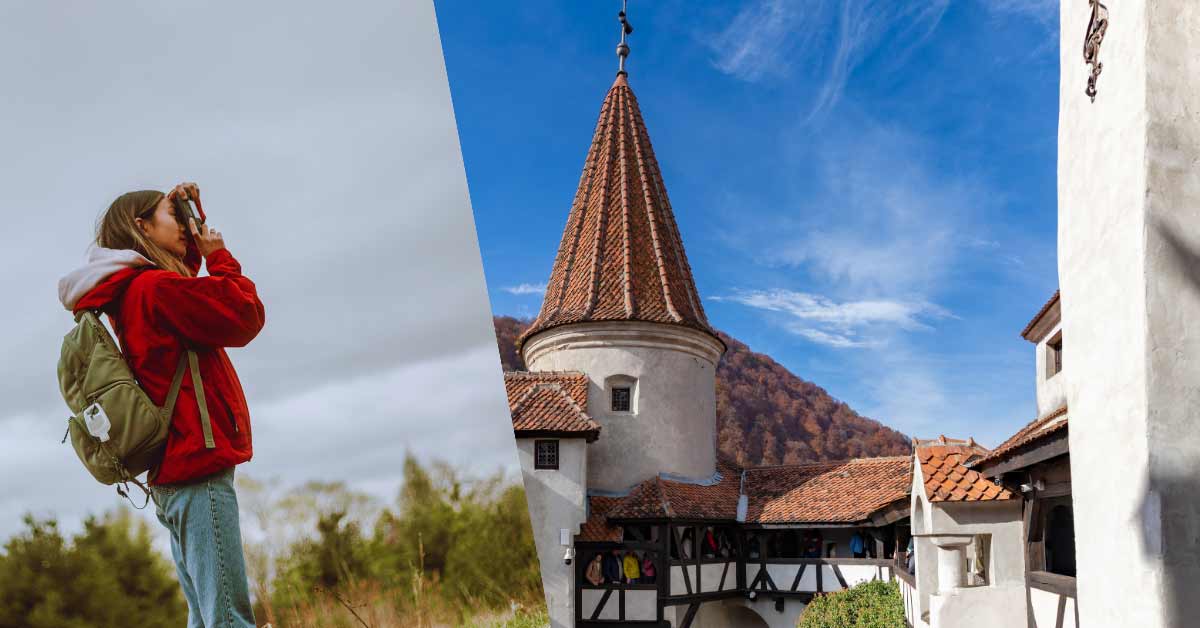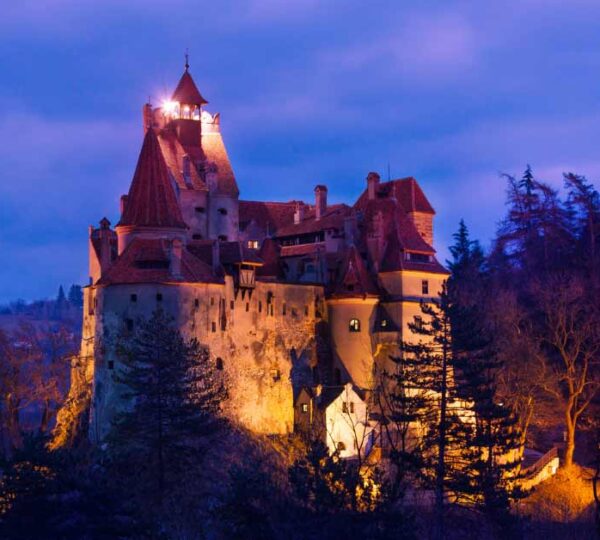
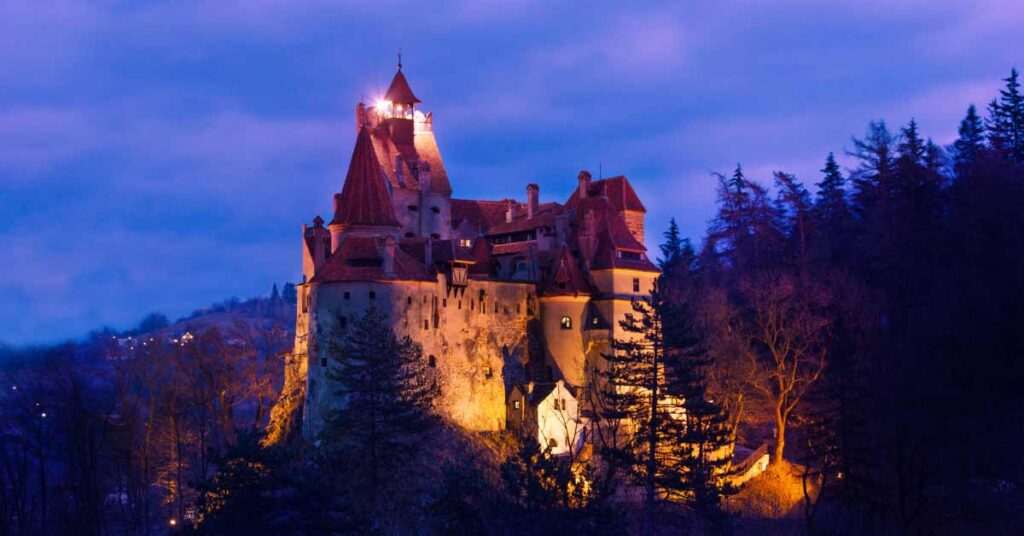
Bran Castle is the most visited site in Romania, and almost none of the visitors who show up know it has essentially nothing to do with Dracula. I don’t say that to talk you out of going. I say it because knowing that upfront changes what you should expect, and it means you can spend less time hunting for a vampire connection that doesn’t exist and more time on the parts of Bran that are genuinely worth the trip: a 14th-century customs fortress, a royal family’s actual home, and a stretch of Transylvania around it that most day-trippers never see.
Bran is also just one entry in Romania’s much longer list of castles and fortified towns, each with its own story that has nothing to do with vampires.
This guide covers the castle itself, current ticket and access information, the sites around Bran that are worth combining it with, and where to eat and sleep if you’re staying in the area.
Getting to Bran
From Bucharest, the most common route is train to Brașov, then bus onward to Bran. Trains run roughly every 30 minutes from București Nord, and journey time varies a lot by train type: the faster InterCity and InterRegio services cover it in around 2 hours 15 minutes, while the slower Regio trains can take closer to 4 hours. Fares range from about 7 to 35 EUR depending on class and how far ahead you book.
From Brașov, buses to Bran leave from Autogara 2, on Avram Iancu Street, a short taxi or local bus ride from the main train station rather than directly in front of it as some guides claim. Buses run frequently, roughly every 30 minutes on weekdays, hourly on weekends, and the fare is somewhere between 12 and 25 RON depending on operator, for a journey of 45 minutes to an hour. Tickets are usually bought from the driver, not booked ahead, so bring cash in small denominations.
Driving from Bucharest, the distance is around 170 to 185 kilometers depending on the route, which works out to roughly 2.5 to 3 hours depending on traffic. Bran has paid parking near the entrance that fills up fast in July, August, and around Halloween. If road safety or general safety questions are on your mind before the trip, our guide to safe travel in Romania covers what’s actually worth worrying about and what isn’t.
Bran Castle: the history behind the legend
How it actually started
The earliest documented mention of Bran dates to a proclamation issued on November 19, 1377, by King Louis I of Anjou, granting the citizens of Brașov the right to build a stone fortress here. Construction wrapped up around 1388. The castle sits on a cliff between Măgura and Dealul Cetății, overlooking the Moeciu Valley and the Bârsei Valley, and it had two practical jobs: collecting a 3 percent toll on goods moving between Wallachia and Transylvania, and guarding the mountain pass against Ottoman incursions.
The Dracula connection, honestly
In the late 15th century, under Transylvanian voivode Iancu de Hunedoara, Vlad Țepeș (Vlad the Impaler, also known as Vlad Dracul) was entrusted with defending this same mountain pass. That’s the extent of the real, documented connection. There’s no evidence Vlad Țepeș ever lived at Bran, and his association with the castle was brief.
The vampire link comes entirely from Bram Stoker’s 1897 novel “Dracula,” and Stoker himself never set foot in Romania. He built his fictional castle from descriptions he read, not a visit, which is part of why Bran’s actual layout doesn’t match the novel especially closely. Bran leans into the association because it’s good for business, and that’s a fair trade as long as you know going in that the vampire story and the building’s real history are two separate things.
From royal home to today
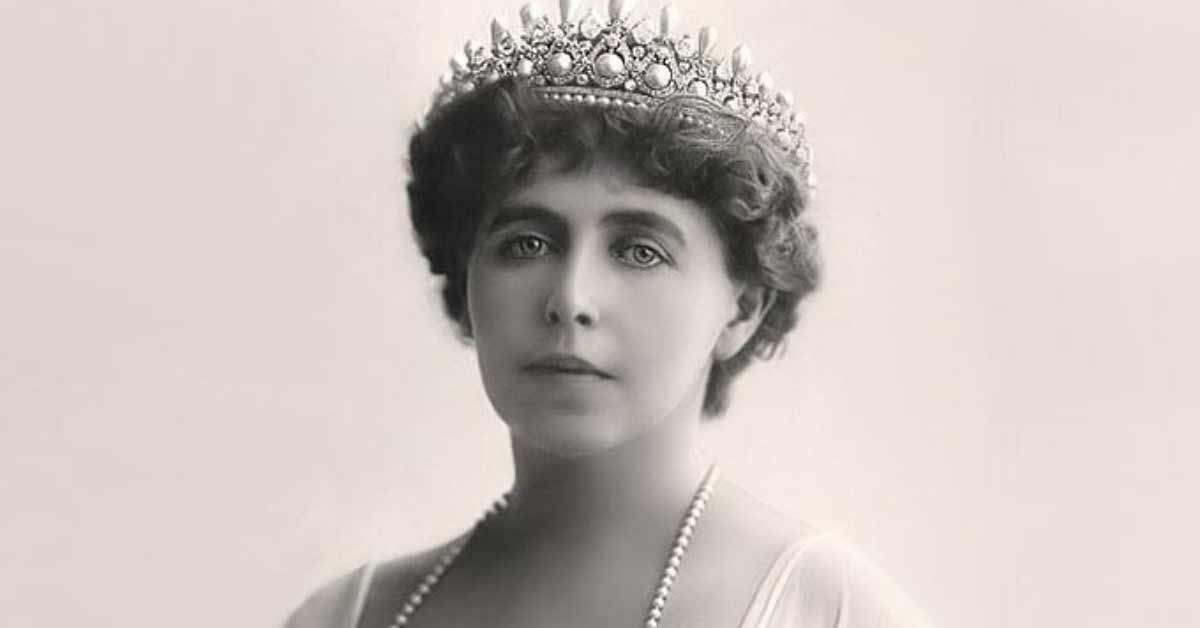
On December 1, 1920, the Brașov City Council gave the castle to Queen Marie of Greater Romania, in recognition of her role in the 1918 Great Union. It was restored between 1920 and 1927 under royal court architect Karol Liman, and it became one of Queen Marie’s favorite residences. Her heart was briefly kept at Bran after her death, a detail I find more genuinely moving than anything Stoker wrote.
In 1948, the communist regime nationalized the castle and exiled the royal family. It reopened as a state museum of feudal art and history roughly a decade later. In 2006, ownership was legally returned to Princess Ileana’s descendants, Archduke Dominic von Habsburg and his sisters, and since 2009 the family has run it as Romania’s first private museum.
One thing worth knowing if you’re reading this any time after mid-2026: American businessman Joel Weinshanker, who manages the commercial side of Elvis Presley’s estate, acquired a majority stake in the company that operates Bran Castle in May 2026. The Habsburg family issued a statement confirming the castle itself stays in family ownership, with Weinshanker joining as a strategic partner focused on growing visitor numbers, particularly from Western Europe and the US. It’s a recent enough development that I’d expect more news on how it actually changes the visitor experience, so it’s worth a quick search before your trip if this kind of thing interests you.
Tickets, hours, and getting in without wasting your morning
Standard adult entry runs somewhere between 60 and 90 RON depending on the season and which source you check, with the official site trending toward the higher end. Reduced rates apply for seniors and students with ID, and entry is free for visitors with disabilities. The Time Tunnel, an underground multimedia exhibit, and the Torture Chamber exhibit are usually separate add-ons at around 30 RON each, or bundled into a Royal Tour Plus combo ticket running roughly 150 to 170 RON. Prices shift often enough that I’d check bran-castle.com directly before you go rather than trust any number, including mine, as gospel.
Opening hours: Monday 12:00 to 18:00, Tuesday through Sunday 9:00 to 18:00, with last entry about an hour before closing. Hours contract around the winter holidays, so double-check if you’re visiting in late December.
A few practical things nobody tells you in advance:
- There’s no re-entry once you leave, and no toilets inside the castle itself, so use the ones at the ticket office first.
- Bran Castle is not wheelchair accessible. Steep wooden staircases and uneven stone floors rule out limited-mobility visits.
- Walk-up queues run 45 to 90 minutes during peak season, roughly May through October, and worse around Halloween weekends. Booking a timed slot online avoids the ticket queue, though not necessarily the crowd once you’re inside.
- For the lightest crowds, aim for Tuesday to Friday between 9:00 and 10:30.
Is Bran worth it?
Yes, but go in knowing what you’re getting. The interior is smaller and less lavish than Peleș Castle in Sinaia, and if you’ve built up expectations from the Dracula branding, the actual rooms, mostly Queen Marie’s furniture and a modest collection of royal-era pieces, can feel like a slight comedown.
What Bran has that Peleș doesn’t is the setting: the cliff-top position, the older and more genuinely fortress-like architecture, and a location that puts you within easy reach of Râșnov, the Bran Monastery, and hiking into Piatra Craiului in the same day. I’d treat Bran as one stop in a fuller Transylvania day rather than a destination on its own.
Beyond the castle
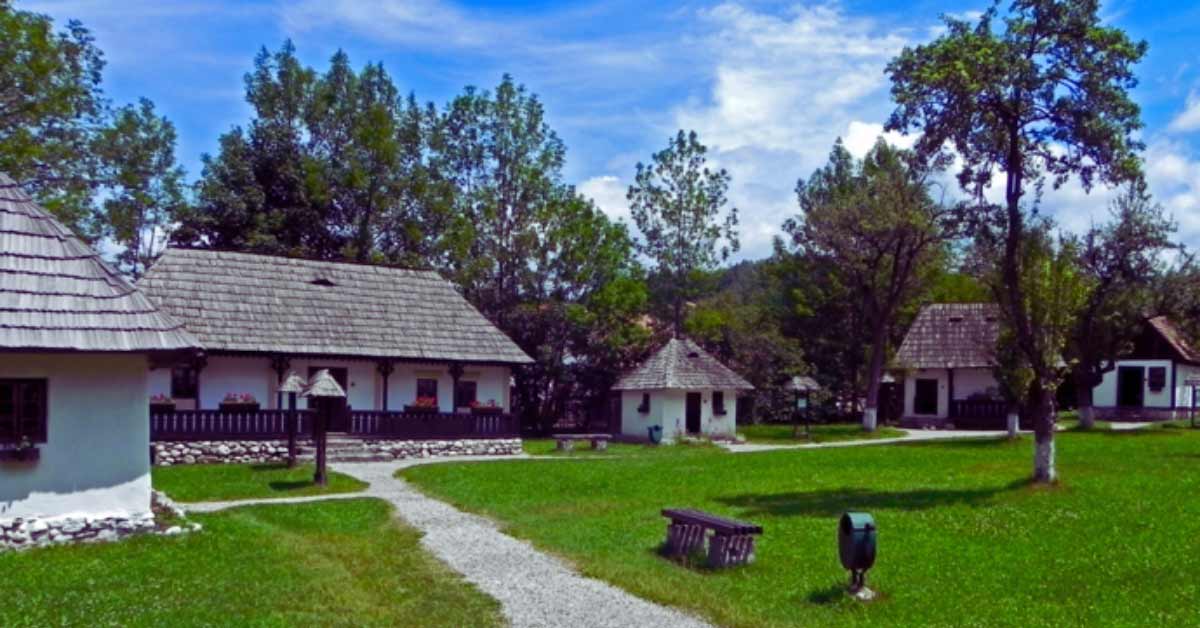
Bran Museum, the National Museum of Bran, holds decorative art, weaponry, and bibliophilic pieces drawn from the royal collections once housed in the castle, laid out partly as an open-air exhibit. It’s a reasonable add-on if you want more context than the castle tour alone gives you.
Bran Monastery, on Balaban Hill above the village of Șimon, was known as Bran Skete between 2006 and 2013. Its real draw is the view: from the grounds you can pick out five separate mountain ranges, the Bucegi, Piatra Craiului, Postăvaru, and Leaota massifs, plus the Codlea Ridge.
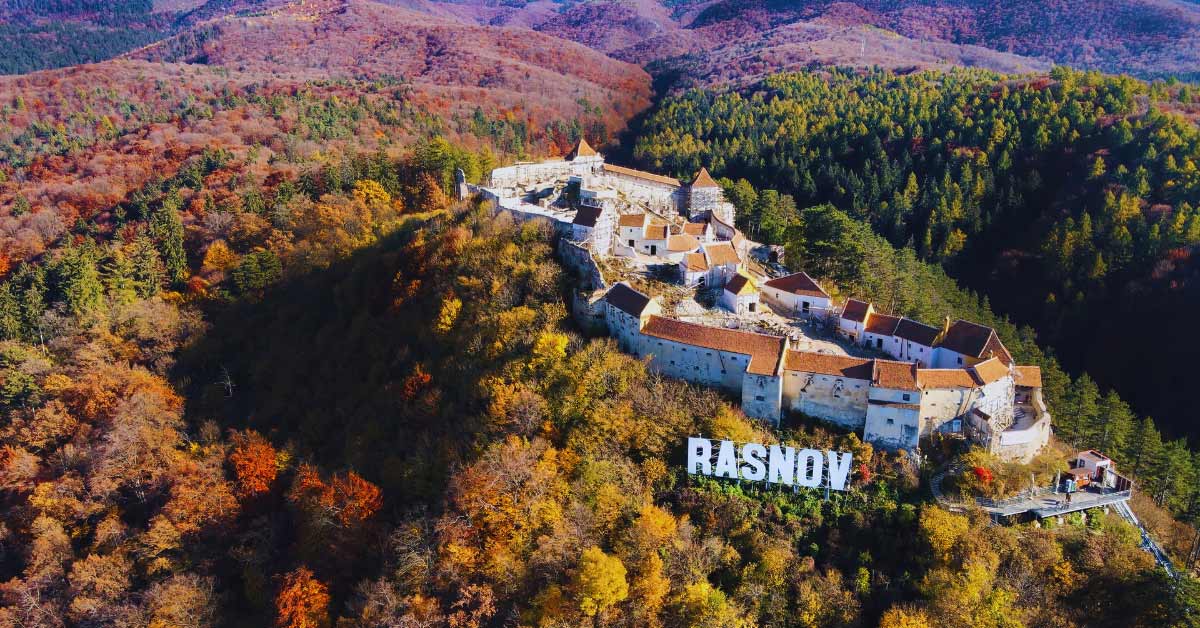
Râșnov Fortress, about halfway between Brașov and Bran, dates to construction between 1211 and 1225 by Teutonic Knights and Saxon settlers, later rebuilt in stone. As of 2026, the fortress interior remains closed for ongoing restoration work, so what you’re actually visiting right now is the garden and exterior walls, with a small entry fee that’s fluctuated between free and around 10 RON depending on the season, rather than the full citadel tour some older guides still describe. Check cetatea-rasnov.ro for current access before planning around it.
Things to do around Bran
Hiking in Piatra Craiului
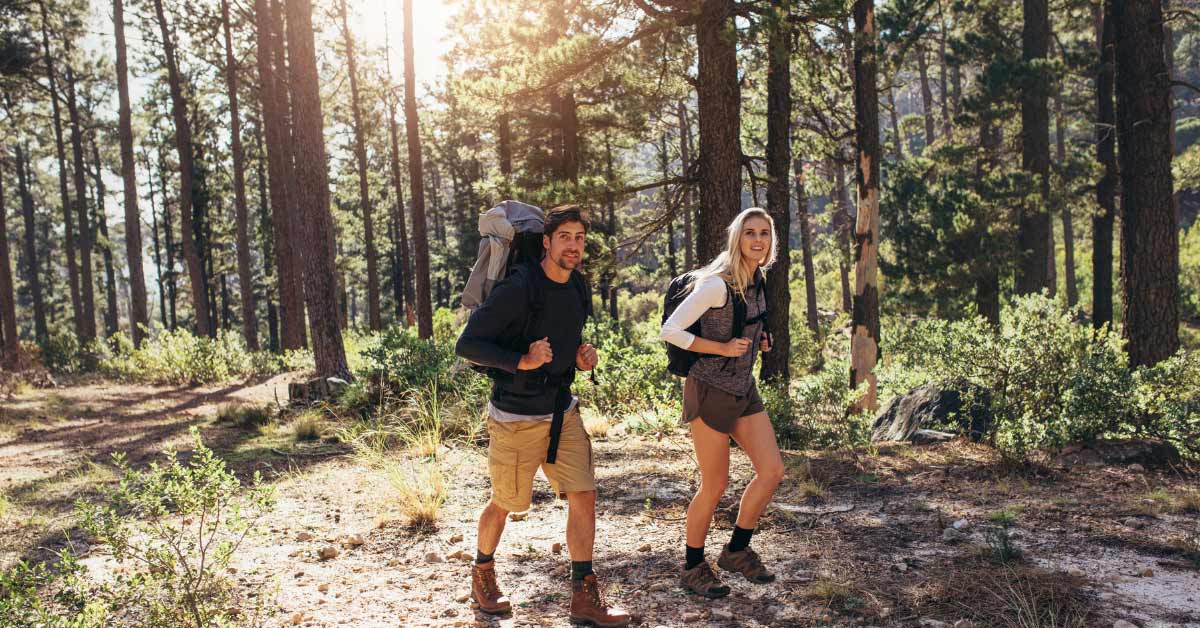
The Piatra Craiului Mountains, the “King’s Stone,” are limestone, dramatic, and a genuine reason to add an extra day to a Bran trip if you hike. A few starting points:
- The Main Ridge Trail (Creasta Cocoșului) runs the spine of the range with panoramic views the whole way, and it’s a serious, exposed hike, not a casual walk.
- Zărnești, near Bran, is the main gateway into Piatra Craiului National Park and has the widest range of accommodation for hikers staying overnight.
- Măgura Peak is the beginner-friendly option, with views over the valleys around Bran and Moieciu and a clear line to the Bucegi Mountains on a good day.
The bat cave
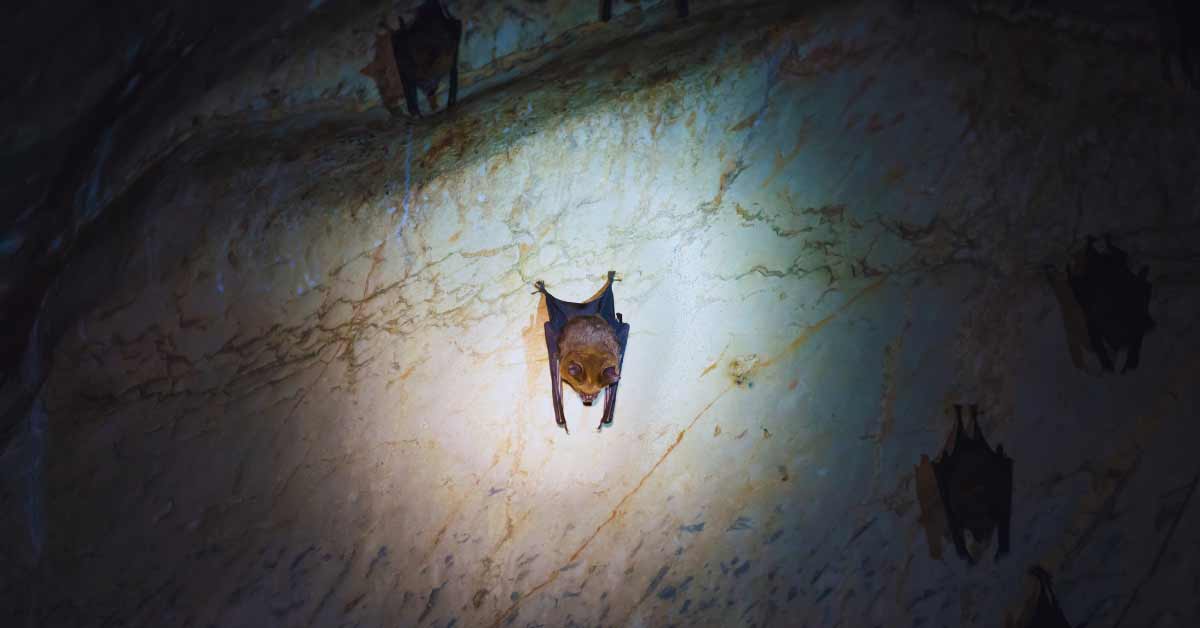
Peștera Liliecilor, in Peștera village and part of Piatra Craiului National Park, has been known locally for centuries but wasn’t formally explored until speleologists arrived in 1950. It’s an easy visit: 370 meters total, including 109 meters of active galleries and a 10-meter elevation change, entered through a narrow corridor into a small, upward-sloping grotto.
Inside there are limestone formations, distinctive ceiling coloration, and mineral deposits locals call “earth’s tears.” No technical gear is needed, but bring a flashlight and something you don’t mind getting muddy. You’ll find plenty of bats and, as far as anyone has documented, zero vampires.
Dâmbovicioarei Cave and gorges
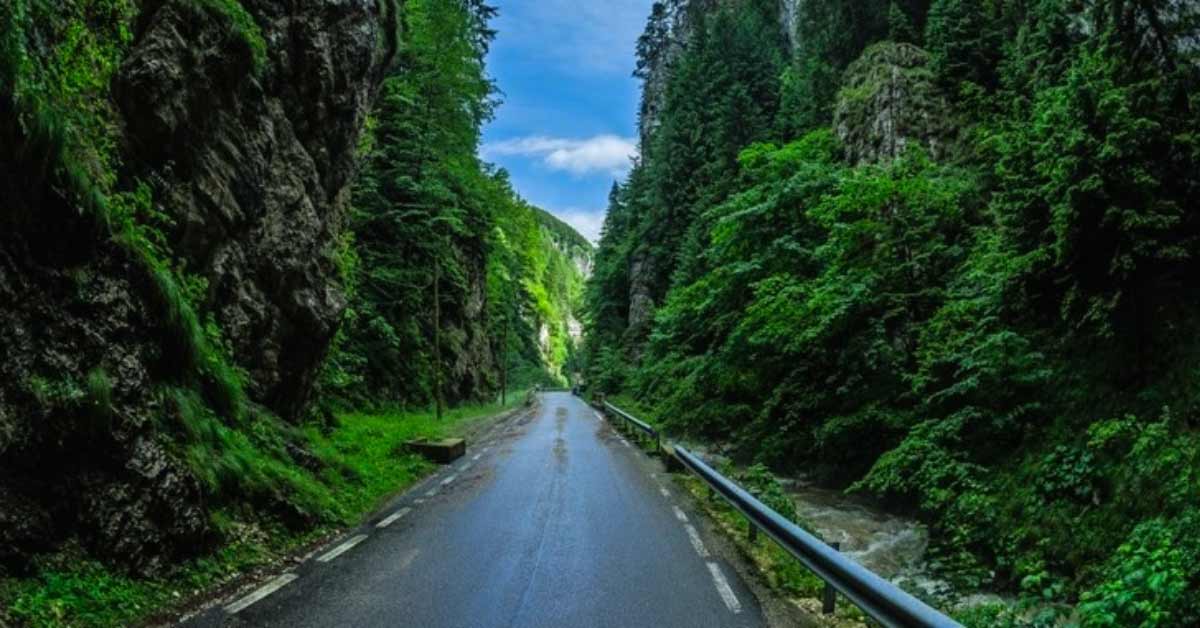
This 5-kilometer gorge, walled by cliffs on both sides along the Dâmbovicioara River, is part of the country’s largest gorge network, more than 20 gorges and 30 kilometers combined, centered on the Dâmbovița River system. Written records of the area go back before 1579.
The main cave runs about 550 meters, with roughly 225 meters open to visitors along a gently rising gallery, and holds a steady 10 to 12 degrees Celsius year-round. At the entrance, a local child often turns up as an informal volunteer guide with facts and stories, which is a nicer welcome than most paid tours manage.
Libearty Bear Sanctuary
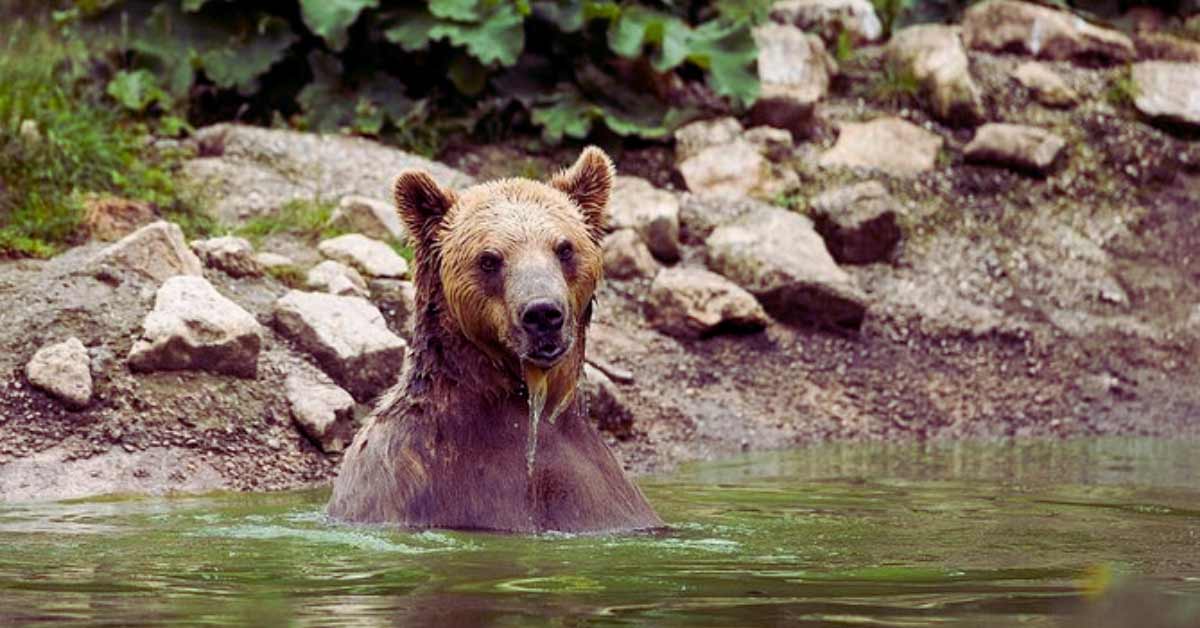
This one is worth the detour on its own. The sanctuary’s origin story is tied directly to Bran: its founder, Cristina Lapis, met Maya, a female bear kept in a filthy cage near Bran Castle, in 1998, and that encounter is what led to the sanctuary being built. It opened in 2005 on a 49-year land concession from Zărnești Town Hall, in partnership with the Millions of Friends Association, on 69 hectares of oak forest.
More than 130 bears have been rescued through the sanctuary since it opened, with over 100 currently living there, most of them former circus or roadside-cage animals who’d never climbed a tree or swum in open water before arriving.
If you want it built into a private itinerary, Balkan Trails runs a dedicated tour to Libearty.
Amfiteatrul Transilvania
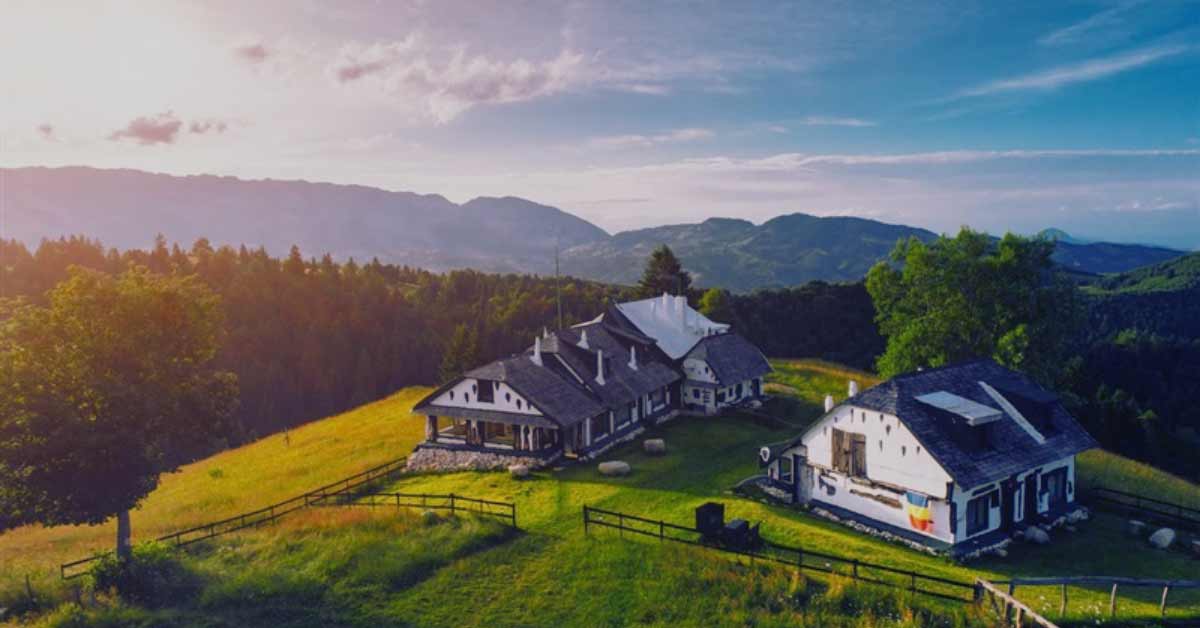
A rural resort about 10 kilometers past Moieciu de Sus, reached by a forest road that’s fine for a normal car in dry weather. The buildings are restored 200-year-old farm structures, painted with plant- and fruit-based dyes, furnished in wood and other natural materials.
There’s a horse farm, a goat farm, a strawberry garden, and a vegetable garden that supplies the on-site kitchen, plus horse riding, survival classes, and a playground for families. It’s a genuine detour, not a quick stop, so budget half a day if you want to actually use the place rather than just drive through it.
Where to stay
Conacul Törzburg sits directly across the road from the castle, with flat-screen TVs, private bathrooms, in-room kettles, and an on-site restaurant and bar. It’s the most convenient option if minimizing walking distance is your priority.
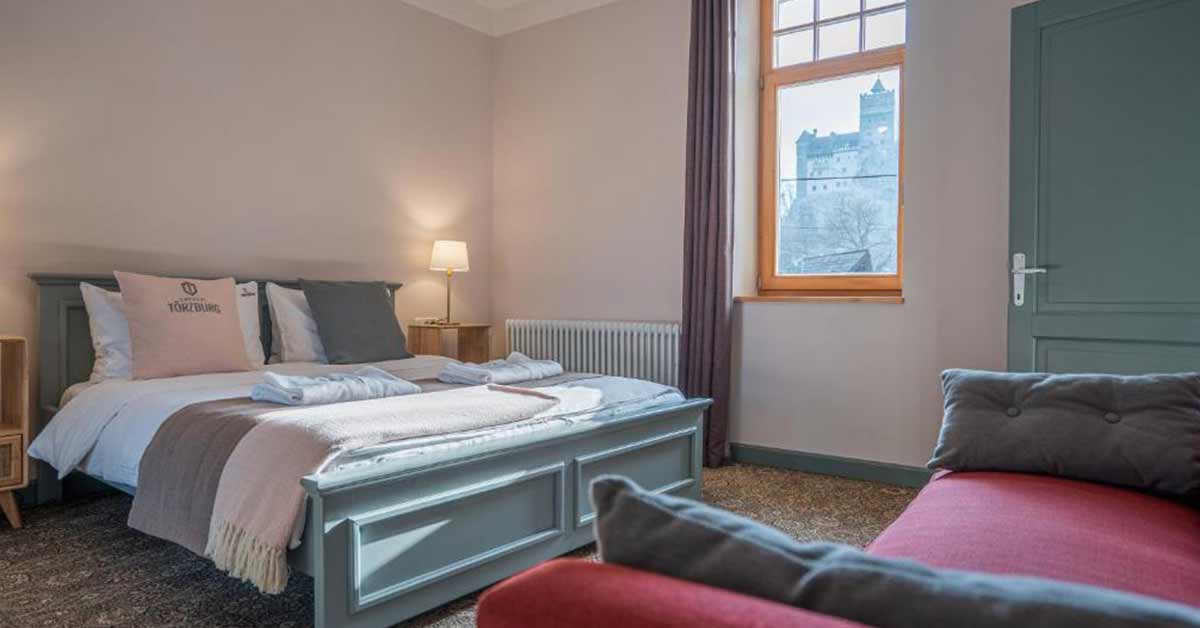
photo credits: Conacul Törzburg
Brătescu Mansion, a ten-minute walk away, is a B&B set inside an authentic Romanian mansion and was TripAdvisor’s top-rated pick in the area back in 2018. It leans into the Queen Marie-era atmosphere more than any other option nearby.
Zara Chalet, four minutes from the castle, has a wood-and-stone interior, a small spa with sauna and hot tub, and an à la carte breakfast.
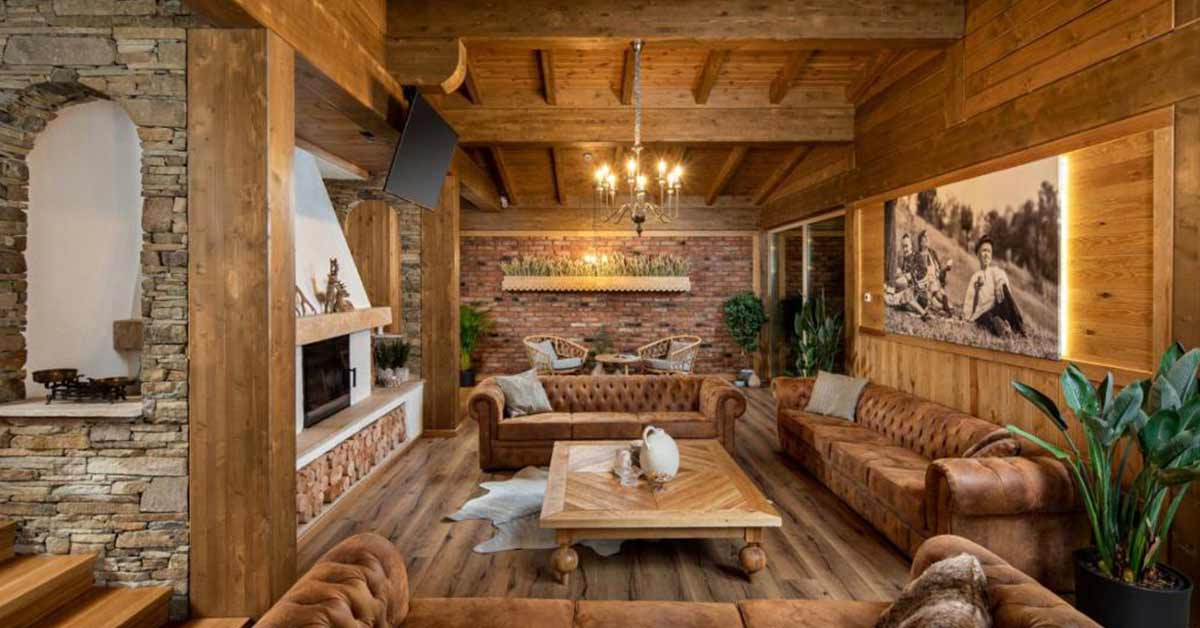
photo credits: Zara Chalet
For travelers basing themselves in Brașov instead, Villa Katharina is a boutique option. Bella Muzica sits inside a genuinely 400-year-old building.
Where to eat
Garlic shows up in a lot of Transylvanian cooking, which locals find funny given the Dracula association, and it’s worth trying regardless of the joke. Two places I’d point people toward:
D.O.R. in Brașov pairs a modern dining room with traditional Romanian dishes reworked with contemporary technique and plating. It’s not a budget option, but it’s one of the better places in the region to actually taste what Romanian cuisine can do beyond the tourist-menu basics.
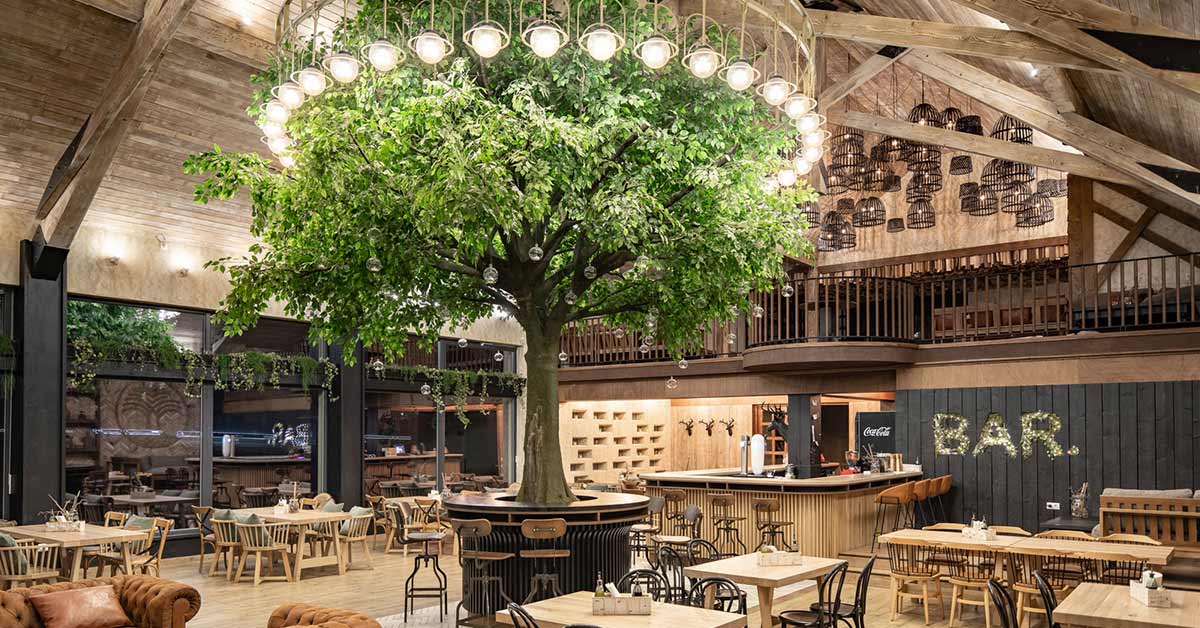
Bran Chalet has an à la carte menu of traditional dishes and a wine list drawn from well-regarded Romanian vineyards, with the added benefit of a proper mountain view from the terrace.
A few honest answers before you go to Bran
Did Vlad the Impaler actually live at Bran Castle?
No. He was briefly connected to defending the mountain pass the castle guards, but there’s no documented evidence he ever resided there.
Is Bran Castle worth visiting if I’ve already done Peleș?
Yes, for different reasons. Peleș wins on interior grandeur; Bran wins on setting, older architecture, and easy access to Râșnov and Piatra Craiului in the same day.
Can I visit Bran as a day trip from Bucharest?
Yes, but it’s a long day: train to Brașov, bus to Bran, the castle itself, and the return trip. If you want to add Râșnov or the bear sanctuary, an overnight in Brașov or Bran makes more sense than rushing it.
Is Râșnov Fortress still worth stopping at while it’s under restoration?
For the view and the walk, yes. For a full castle interior tour, not right now. Check current access before you build your day around it.
Bran isn’t Dracula’s castle, and it doesn’t need to be. What it actually has, a documented 14th-century fortress, a genuine royal history, and a region around it that includes real limestone mountains, working cave systems, and a bear sanctuary with a story worth knowing, holds up fine without the fiction.
If you want to build a trip around the region rather than just the one castle, explore a Romania tour with us. Plenty of people come to Bran for the legend and end up caring more about the real history once they’re standing in front of it. Either way is a fine reason to visit, so if the vampire story is still what’s pulling you in, take a closer look at our Dracula Tour Transylvania.