Dark legends, priceless monuments, and captivating historical revelations await as you journey deep into the Transylvanian countryside, nestled in the shadow of the Carpathian Mountains. Discover remote Gothic ruins and fortresses, medieval castles, steep gorges, a tragic monastery, and the ruthless legacy of Vlad the Impaler.
Start your tour in Bucharest, then directly enter the stunning landscapes of Transylvania. At Curtea de Arges, visit the soaring 14th-century monastery tied to a wealth of sorrowful legends.
At Poienari Fortress, capture photos of Vlad the Impaler’s eagle’s-nest throne. In Sibiu, explore the most fortified of the region’s Saxon cities. The Saxons also constructed Biertan and other “peasant fortified churches” in an architectural style that is prominently reflected throughout Transylvania.
In Sighisoara, a picturesque medieval citadel, ascend the beautiful Clock Tower for an exquisite view. At the end of your walking tour, enjoy coffee in the birthplace of Vlad the Impaler, now a popular restaurant.
In Brașov’s Old Town, admire the Black Church (the largest Gothic cathedral in southeastern Europe), the Old Town Square, and St. Nicholas Church, the most significant Romanian medieval church.
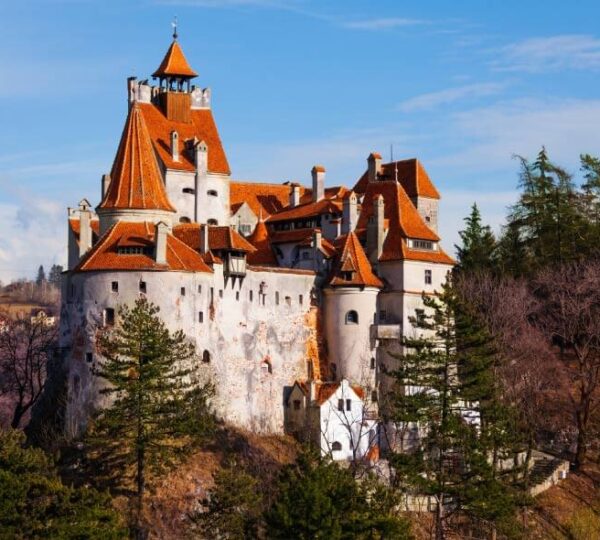
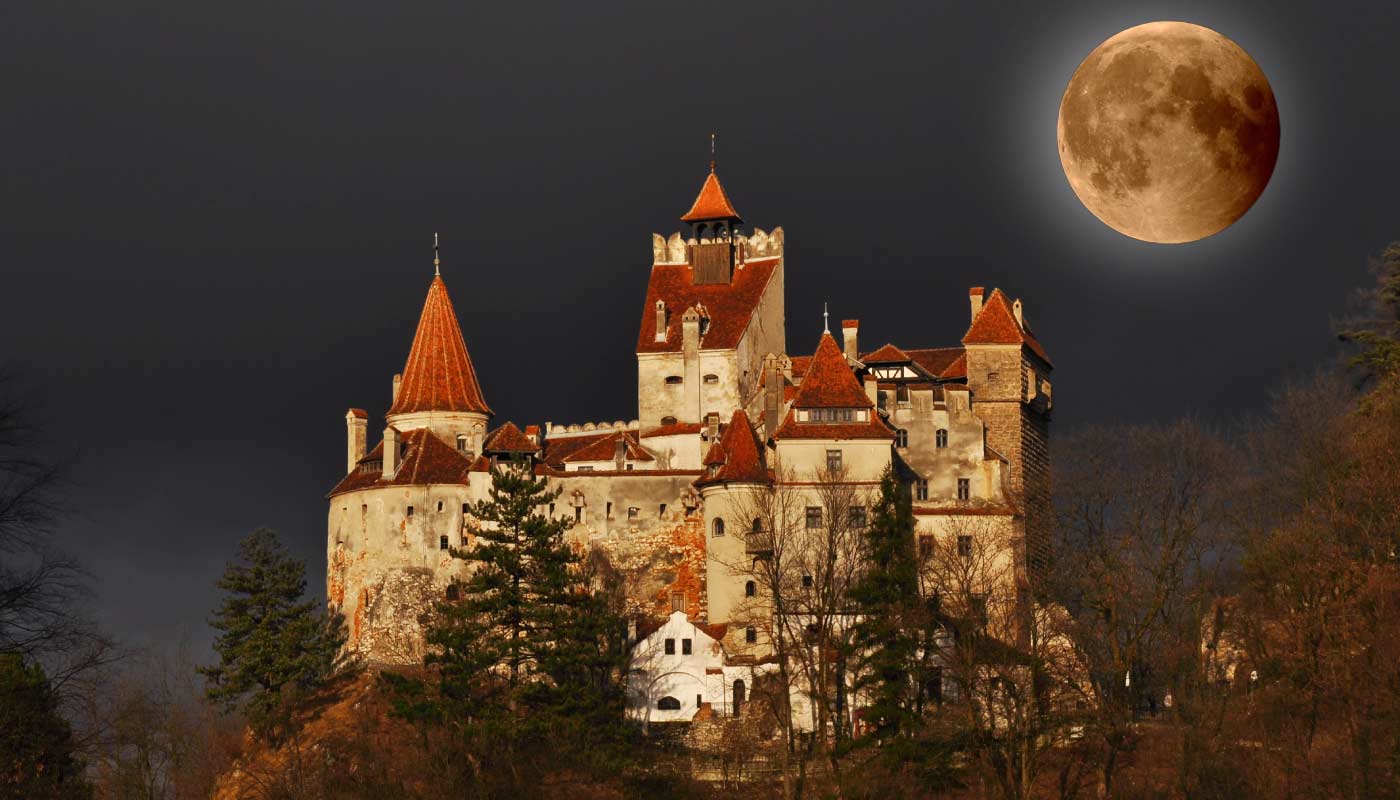
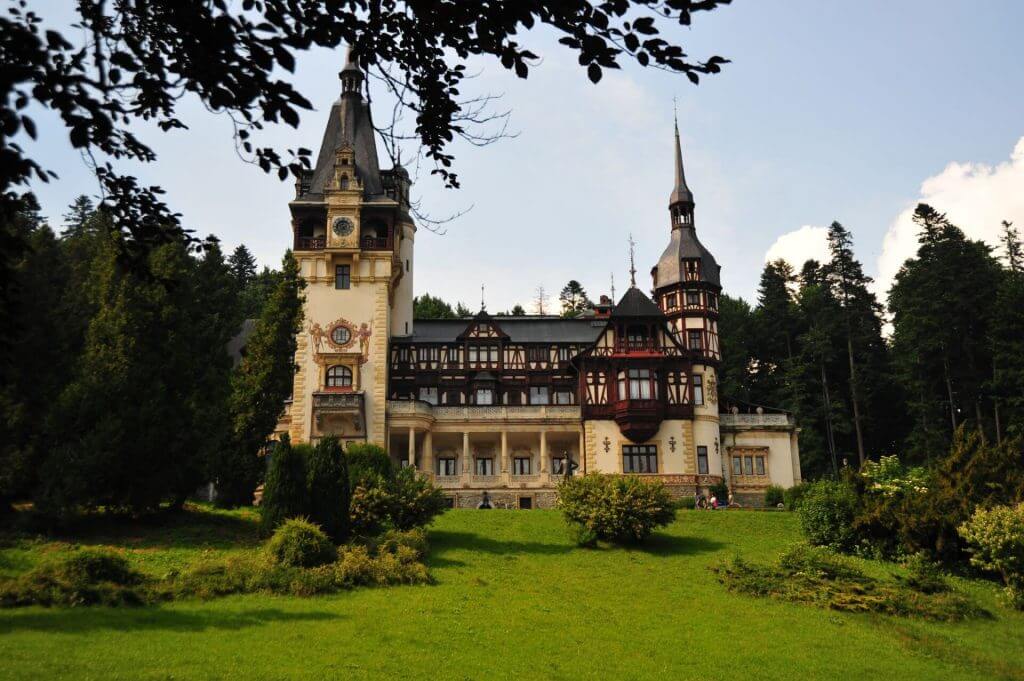
Continue to Bran Castle, commonly referred to as “Dracula’s Castle,” which was lovingly redecorated by Queen Maria in the 1920s. The luxury experience continues at Peles Castle, the 19th-century royal residence, featuring exquisite décor, including Carrara marble, Murano chandeliers, Venetian mirrors, and walls intricately carved from 40 types of wood.
If you’re looking for different tour options in Romania or have specific preferences, feel free to explore our alternative tours in Romaniaor reach out to us for a personalized experience tailored just for you!
Arrive in Bucharest, greet your guide, and make yourself comfortable at the Capitol Hotel, a lovely jumping-off point for uncovering this splendid capital’s enticing cultural riches.
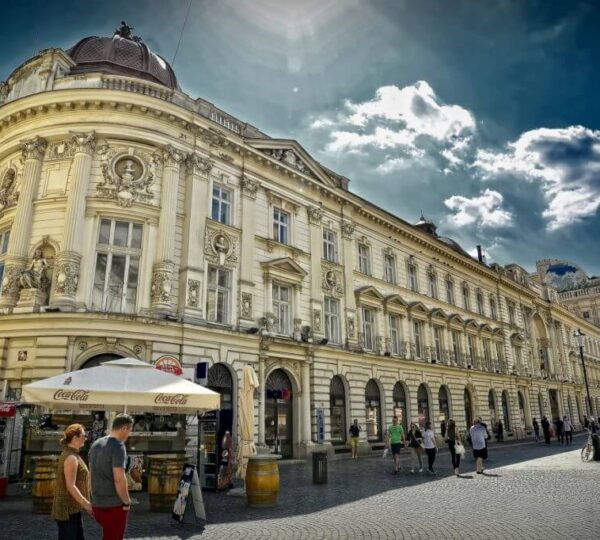
So cosmopolitan that it rivaled the sophistication of the City of Lights in public consciousness during the post-WWI era, Bucharest is now a study in striking contrasts. Exquisite French architecture stands in juxtaposition with ostentatious reminders of the Communist era; elegant 19th-century homes provide a compelling counterpoint to the gleaming skyscrapers of glass and steel. Join your guide for a panoramic city tour and experience the vibrant, effervescent personality of this remarkable city.
*should you travel to Bucharest on a flight that arrives late in the afternoon or evening, the city tour can also be done the next morning
Today, you’ll travel into the mountainous, spectacular region of Transylvania to experience the stunning medieval city of Sibiu. On the way, take a break at the Curtea de Arges Monastery, an architectural wonder that seems to defy the laws of physics. This 16th-century marvel, built under intense time constraints, inspired multiple legends of love, loss, and premature death.
After your tour, ascend the Carpathians to capture photos of the forbidding ruins of the 13th-century Poienari Fortress, perched on the edge of a sheer cliff that drops straight into the Arges River. Legends passed down from the 15th century say that he terrorized the Boyars into the hard labor necessary to rebuild and fortify the existing structure; most of his prisoners ended their days as exhausted slaves.
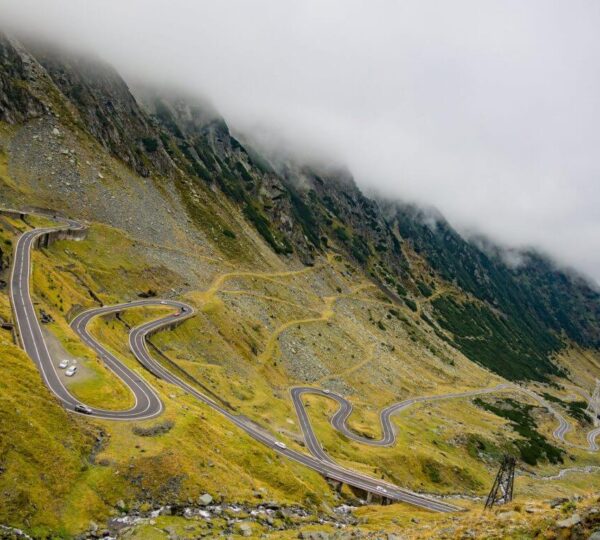
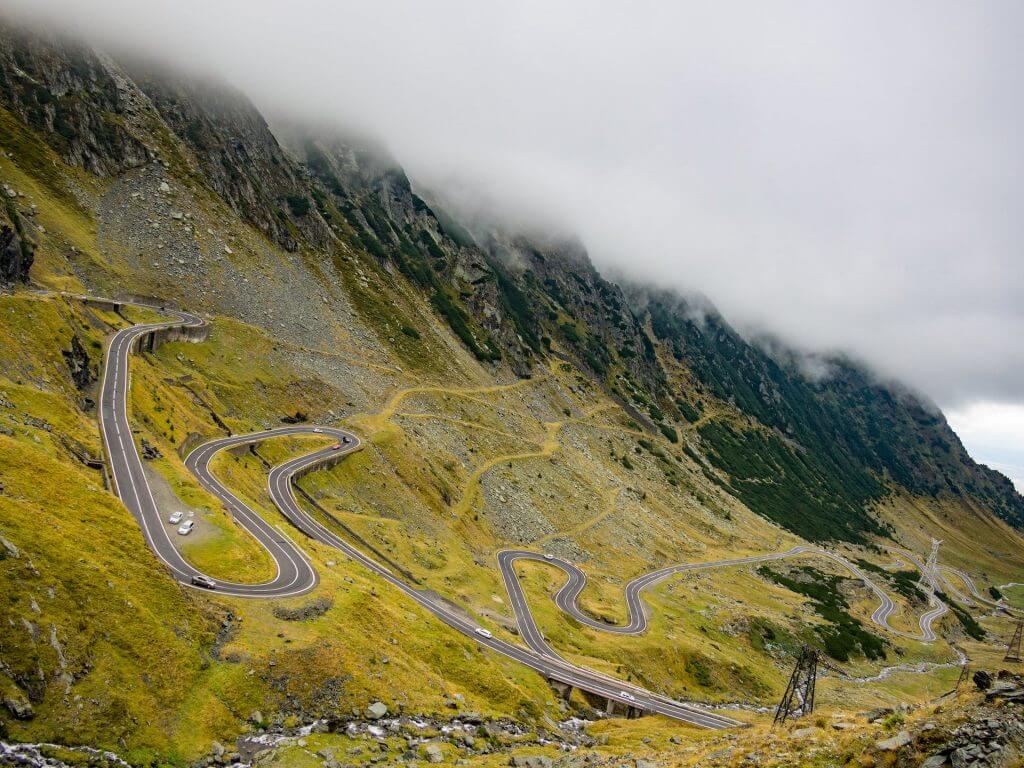
Continuing your drive to Sibiu, you’ll journey along the high Transfagarasan Road, constructed by the Communists at an altitude of 2054 m (over 6000 feet). The scenery is absolutely breathtaking.
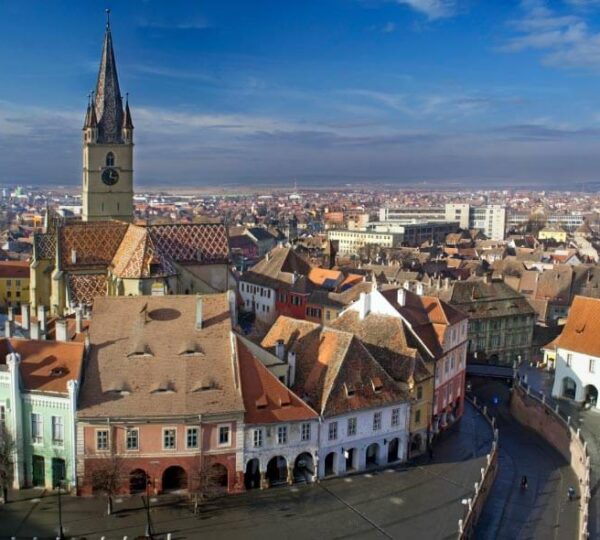
This afternoon, arrive in Sibiu and check into your hotel. Your guide will lead you on a fascinating, in-depth walking tour of the medieval Old Town. This settlement was built by ethnic German Saxons, who were meticulous in constructing defense systems that included thick walls, high watchtowers, and secret passageways.
Overnight in Sibiu, Hotel Art**** (located in the Old Town)
*Please note the Transfagarasan road is open only between June and September. If your tour takes place outside this period, you will travel on the road going along the Olt river valley
Depart from the magnificent town of Sibiu and proceed to Biertan Church (a UNESCO World Heritage Site). The Saxon villagers took the protection of their towns very seriously, constructing fortified churches throughout the medieval era. Interestingly, the townspeople were solely responsible for the construction and maintenance of these structures, a tradition they have upheld to this day. Saxon roots in Transylvania run deep, with some present-day families tracing their lineage back to the 1100s. The Biertan Church, built between 1486 and 1524, represents the final expression of this particular architectural style.
In the late morning, continue your journey with a visit to Sighisoara. The UNESCO World Heritage Old Town exemplifies a living citadel, and most of its medieval fortifications remain relatively untouched by time. Tour the famous Clock Tower, a widely recognized and beautiful symbol of medieval Transylvania. A picturesque covered wooden staircase leads you to the iconic Church on the Hill, from which you’ll gain a stunning view of the surrounding area.
Historical records note Sighisoara as the birthplace of the infamous Vlad the Impaler, the cruel Prince of Wallachia known for brutally torturing his enemies. The house of his birth looks much the same today as in 1431 and now serves as a distinctive restaurant.
In the afternoon, travel to Brasov, a quintessential Transylvanian town.
Today, let your guide lead you on a captivating walk through Brasov’s Old Town, amid the evocative homes of affluent medieval merchants. Discover the Black Church, a grand 14th-century Gothic cathedral that hosts a museum and Lutheran services each Sunday. Stroll along the town’s impregnable city walls and bastions before departing for the renowned Bran Castle, which was redecorated by Queen Marie in the 1920s after a period of neglect and abandonment.
Next, travel through breathtaking mountain scenery with spectacular views to reach Sinaia, a charming town in the Carpathian Mountains. Visit Peles Castle, the opulent 19th-century residence of Romania’s first king. The castle features a luxurious interior adorned with exquisite crystal, oriental rugs, magnificent wood paneling, and valuable mirrors. Nearby, take a moment to tour the Sinaia Monastery, named after the ancient Mt. Sinai of biblical times.
Today marks the end of your tour. Transfer to the airport for your flight home.
Included / Excluded
✅ Fully Customized Itinerary – We’re happy to tailor your itinerary to your preferences before the tour begins, completely free of charge!
✅ Flexible Daily Plans – Even after the tour starts, we offer great flexibility to adjust your daily schedule to fit your mood and interests.
✅ Private English-speaking Guide/Driver – Enjoy the dedicated service of a licensed English-speaking guide and driver throughout your journey.
✅ All Guide Expenses Covered – No need to worry about extra costs—your guide’s meals, accommodation, and other expenses are fully included.
✅ Comfortable Private Transportation – Travel in a private, air-conditioned vehicle for a smooth and relaxing ride.
✅ All Vehicle Costs Included – Gasoline, parking fees, and road tolls are all taken care of for you.
✅ Entrance Fees & Guided Visits – All entrance fees listed in the itinerary are covered, and your guide will provide insights during visits. If you’d like to explore something extra along the way, your guide will happily share information and assist!
✅ Carefully Selected Accommodation—Stay in handpicked, centrally located hotels from our recommended list, or let us know if you’d like us to suggest other options that match your style.
✅ Daily Breakfast – Start each day with a delicious breakfast included at your hotel.
✅ Seamless Airport Transfers—Relax with private transfers to and from the airport, ensuring a smooth start and end to your trip.
❌ International Airfare – Flights to and from Romania are not included.
❌ Credit Card Processing Fee (3.25%) – To help you save, we also offer the option to pay via domestic bank transfer (available for the E.U., U.S.A., Canada, Australia, New Zealand, and the U.K.).
❌ Additional Meals & Beverages—Meals and drinks other than those listed in the itinerary are not included, so you have the freedom to explore local cuisine at your own pace.
❌ Gratuities for Your Guide – A gratuity for your guide is not included and is a meaningful way to acknowledge their hard work in making your trip memorable.
❌ Photo Fees at Certain Sights – Some sites may charge a small photo fee (usually around €2–€3 per location).