
Found in southeastern Europe, the Balkan Peninsula is one of the world’s best-kept secrets for natural beauty. From soaring mountain peaks and glacial lakes to dense pine forests and coastal cliffs, this region is a dream come true for outdoor lovers. Whether you’re a seasoned trekker or a casual hiker, the Balkan nature offers a variety of trails and meadows to explore.
The area is home to lush flora, incredible animals, and accessible trails that weave through some of the continent’s most untouched sites. In this article, we’ll take you through three breathtaking national parks you shouldn’t miss in countries like Romania, Bulgaria, and Serbia. Each one offers its own unique flavor of Balkan charm.
1. Bucegi National Park – Romania
Location of the Park
Right in the heart of Romania, Bucegi National Park is scattered along the Carpathian Mountains, not far from historical towns like Sinaia and Brașov. It’s an easy getaway from Bucharest, just a couple of hours’ drive, making it a favorite among locals for weekend hiking trips. The park’s dramatic topography rises quickly from the Prahova Valley, drawing you into a high-altitude world of cliffs, meadows, and pine-scented air.
Why It’s Worth Seeing
Bucegi is where Romania’s Balkan natural drama is on full display. Towering rock walls guard hidden plateaus, and deep-cut gorges whisper stories of ancient earth forces. Hikers can climb above the clouds, explore caves carved by glacial waters, and stumble across remnants of ancient Dacian times. The variety of terrain here makes every turn of the trail feel like a new discovery, even nowadays.
What Makes Bucegi National Park Special
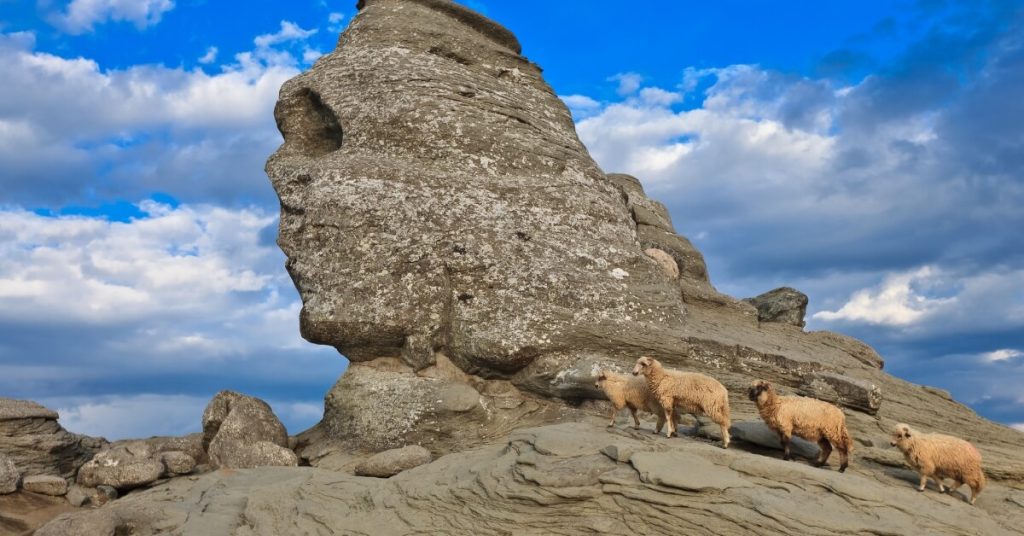
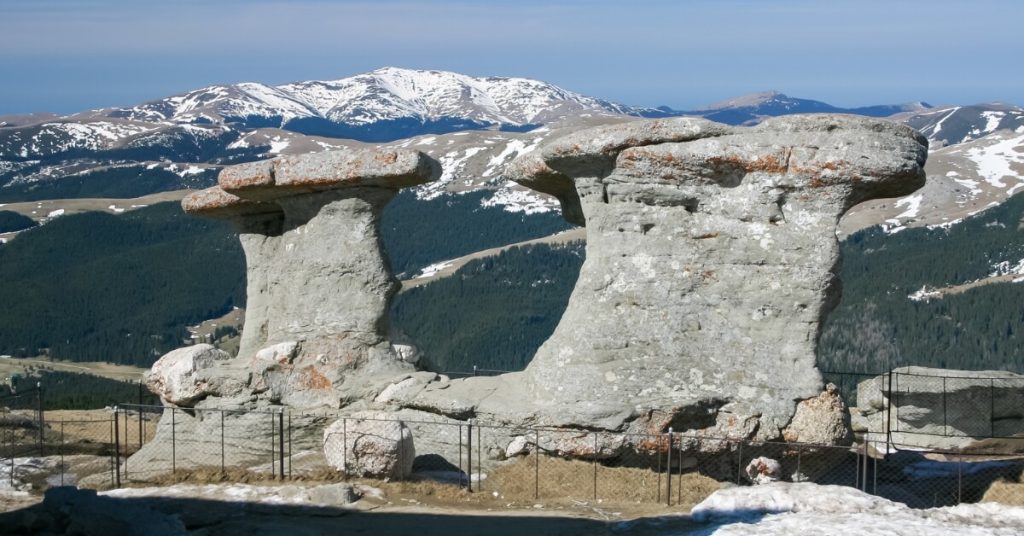
The park is perhaps best known for its eerie geological sculptures: the Bucegi Sphinx and Babele, formed over millennia by wind and rain, sculpting stone into uncanny shapes. These formations have sparked local myths, from ancient gods to alien outposts. The park also shelters the Carpathian chamois, an agile mountain goat-antelope hybrid that darts effortlessly across sheer rock faces, as well as forests bursting with rhododendrons in early summer, painting the highlands in the most beautiful pink hue.
Popular Routes in the Bucegi Mountains
One of the most iconic hikes is the trail from Bușteni up to Babele, where a cable car can help less experienced hikers reach altitude quickly before descending on foot. This route requires minimal effort for exploration, offers sweeping views of the Prahova Valley, and includes plenty of photo stops. Another classic is the trail from Sinaia to the Piatra Arsă Chalet. This one is a moderately challenging trek that rewards you with uninterrupted panoramas over rolling peaks and, on clear days, a view stretching as far as Transylvania. Imagine that!
When to Visit Bucegi National Park in Romania
Late spring through early autumn (May to October) is the best window for hiking, with wildflowers in bloom, longer daylight hours, and clear skies. June is especially magical – this is when rhododendrons flowers burst into bloom across the meadows, transforming the upper trails into a painter’s palette of pink and green. Be cautious after heavy rain or in early spring, as the mountain weather is well-known to be capricious.
Main Attraction in the Bucegi Mountains. The plateau that houses the Bucegi Sphinx and Babele formations is the park’s soul: an otherworldly space with fog-shrouded stones and a mystical energy. Whether you believe in the legends or not, standing among these ancient giants as the clouds roll in feels like stepping into a fairytale, channeling the old souls of Dacian ancestors and their love for greatness! Want to learn more about these legends? Click here.
What to wear in Bucegi National Park
The weather in Bucegi changes quickly with altitude, so dress in layers that you can easily add or remove. Sturdy hiking boots are a must, especially on rocky or muddy sections. Bring a lightweight rain jacket, sunglasses, and sunblock, as UV exposure can sneak up on you in the highlands, even when it’s cloudy. (In summer and not only!)
Good to Know
Trails in Bucegi often rise above 2,000 meters, so even summer days might get chilly. Cell service is patchy in the higher reaches, so download maps in advance or bring a printed trail guide. There are mountain huts along popular routes, but some may operate seasonally, so check ahead if you plan to rest or eat on-site.
Insider Tip
For a tranquil moment and the best light, hit the trails early in the morning. If you want a cool photo of The Sphinx like everyone else, up your photographic game by choosing a better time to capture it. The Sphinx is at its most photogenic just after sunrise, when soft light casts long shadows, and the crowds haven’t arrived yet. There’s something surreal about having this iconic spot almost to yourself!
Popular Photo Spot
Even though it’s not the easiest landmark to get to, the Caraiman Cross in Bucegi Park offers one of the most awe-inspiring vistas in Romania! Perched high on a cliff edge, it overlooks the valley below and glows golden in the late afternoon sun. If you’re lucky, you’ll catch the sun dipping below the peaks just as the lights of Bușteni flicker on. And don’t forget, you do need to be in quite good shape to get to this place. It’s not the most difficult hike, but it’s definitely not a walk in the park!
Nearby Bite
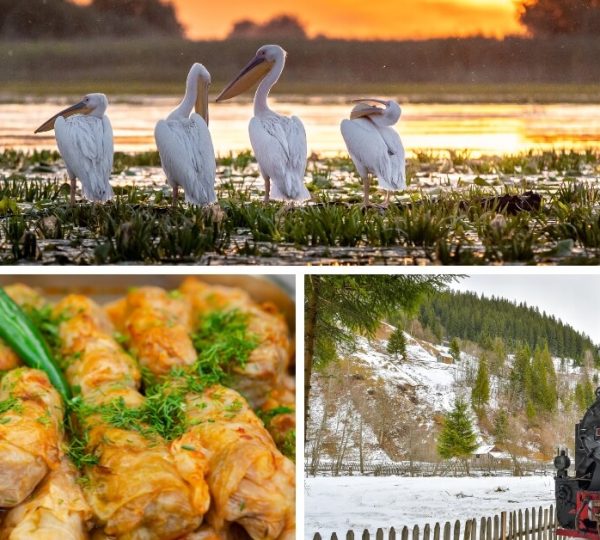
After the hike in Bucegi National Park, warm up with a steaming bowl of ciorbă de burtă (tripe soup) or go for the more familiar sarmale (stuffed cabbage rolls) at Hotel Piatra Arsă. The rustic vibe and hearty portions make it a favorite pitstop for both hikers and mountain guides.
2. Rila National Park – Bulgaria
Location of the Park
Just a couple of hours south of Bulgaria’s capital, Sofia, Rila National Park rises like a fortress of stone and sky. It covers over 80,000 hectares and is the largest national park in Bulgaria and a cornerstone of the country’s natural heritage. The park stretches across the majestic Rila Mountains, encompassing remote valleys, alpine lakes, and the country’s highest summit: Mount Musala.
Why It’s Worth a Hike
Rila isn’t just a park; it’s how locals think of it as “a cathedral of nature.” The towering peaks, often snow-capped well into summer, shelter deep glacial basins filled with mirror-like lakes and rushing rivers… sounds heavenly, right? It’s a hiker’s dream, with trails that move from dense pine forests to rocky ridgelines in a single afternoon. The air is crisp and clean, the silence broken only by birdsong or the murmur of a distant waterfall. Whether you’re a casual walker or a seasoned mountaineer, Rila draws you in with its purity and majestic scale.
What Makes Rila Park Special
This park is a biological treasure chest. Rare alpine flora carpets the slopes, and ancient black pine forests stand like sentinels against time. The elusive Balkan chamois darts across cliff edges while eagles fly above. Rila is also steeped in history and spirituality! What do we mean by that? Hidden within its boundaries is the 10th-century Rila Monastery, a UNESCO World Heritage Site and a pilgrimage destination for centuries – a landmark that should be on anyone’s itinerary when visiting Bulgaria, as it is one of the most peaceful sanctuaries you’ll come across in this lifetime.
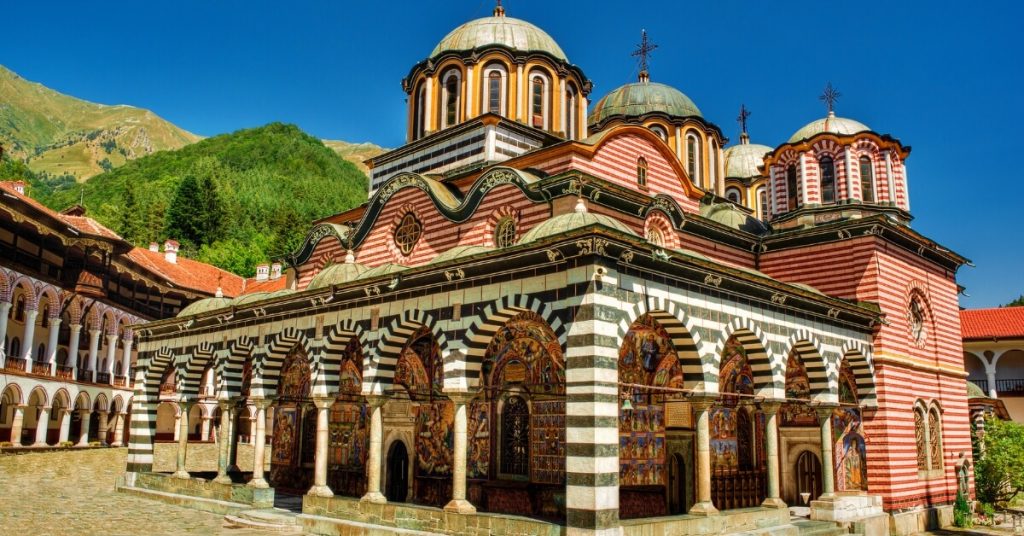
The blending of natural wonder and cultural depth makes Rila National Park unlike anywhere else in the world!
Popular Routes in Rila National Park
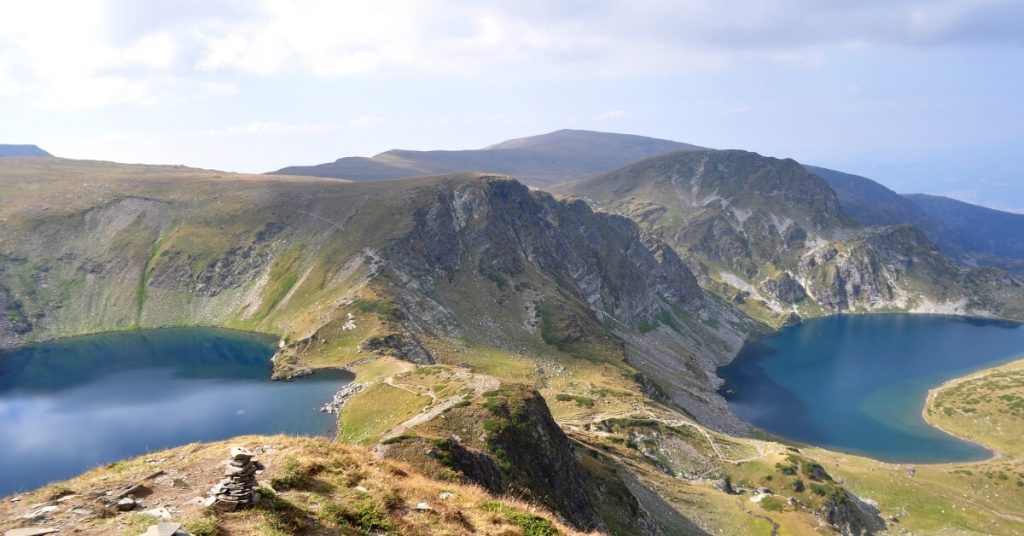
The Seven Rila Lakes Trail is the crown jewel of Bulgarian hiking. This loop takes you past seven glacier-formed lakes named for their shape or legend: The Eye, The Tear, The Kidney, The Twin. You gain new perspectives on the sparkling waters and surrounding peaks with every turn. For a more challenging hike day, try the Malyovitsa Trail, which leads to one of Rila’s most rugged and photogenic ridgelines. Remember this one is a steeper climb, but the payoff is unmatched views and a sense of real alpine adventure.
When to Visit
The sweet spot is June through September. This is when trails are clear of snow, wildflowers are blooming, and the lakes reflect the blue skies above. Earlier in the season, you may still find patches of snow on higher paths, adding an extra layer of contrast to your trek. Autumn, too, brings golden hues and fewer crowds for those craving solitude during their adventures!
Main Attraction of the Rila National Park
The Seven Rila Lakes are more than just beautiful; they’re the spiritual heart of these mountains and a symbol of Balkan nature. Local legend says they are the tears of a mountain giant mourning his lost love. Today, they still draw pilgrims during the summer solstice, including followers of the White Brotherhood movement who dance barefoot in the meadows. Whether you come for the myths or the mountain air, the lakes will leave a lasting impression.
What to wear in the Rila National Park
Conditions can shift in minutes in the highlands of the Rila Mountains! Dress in moisture-wicking layers, pack a windbreaker, and wear hiking boots with strong ankle support, as many trails cross loose rock or wet ground. Sunglasses and sunblock are essential, especially at elevations where the sun can be deceptively strong.
Good to Know
Weekends, especially in summer, can bring crowds to the lower lakes. To beat the rush, arrive early or aim for mid-week visits. The chairlift from Panichishte can cut down on climbing time if you’re focused on just seeing the lakes, but remember, the hike is more rewarding if you earn your view on foot!
Insider Tip
Start your hike at sunrise to watch the first light dance across the lakes… it’s a soul-stirring experience! Bring a thermos of coffee and sit on a ridge above The Eye Lake as the world awakens beneath you.
Photo Spot in the Rila Mountains
The ridge above The Eye Lake offers one of Bulgaria’s most iconic vistas. On a clear morning, you’ll see the entire string of lakes laid out beneath you like a pearl necklace. It’s the kind of view you’ll carry with you long after the trail ends.
Nearby Bite
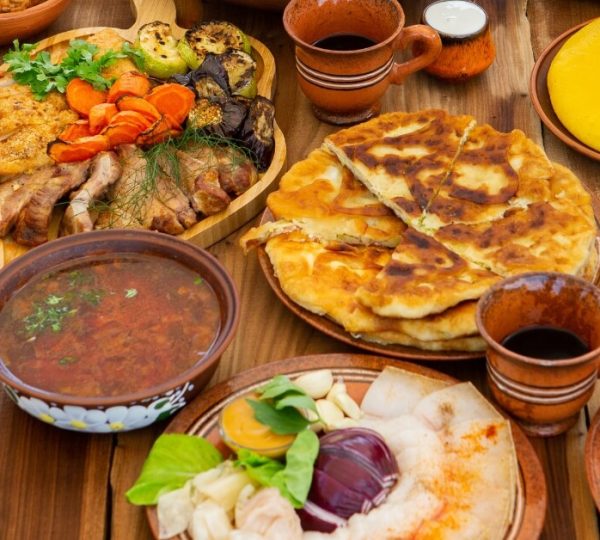
After a long day of hiking, head to Rila Lakes Chalet for some warm mountain food. Try the rich bean stew or the fresh mekitsi (fried dough), served with powdered sugar and local jam. The cozy dining room, surrounded by forest, is the perfect place to rest your feet and reflect on the day’s adventure.
3. Tara National Park – Serbia
Location
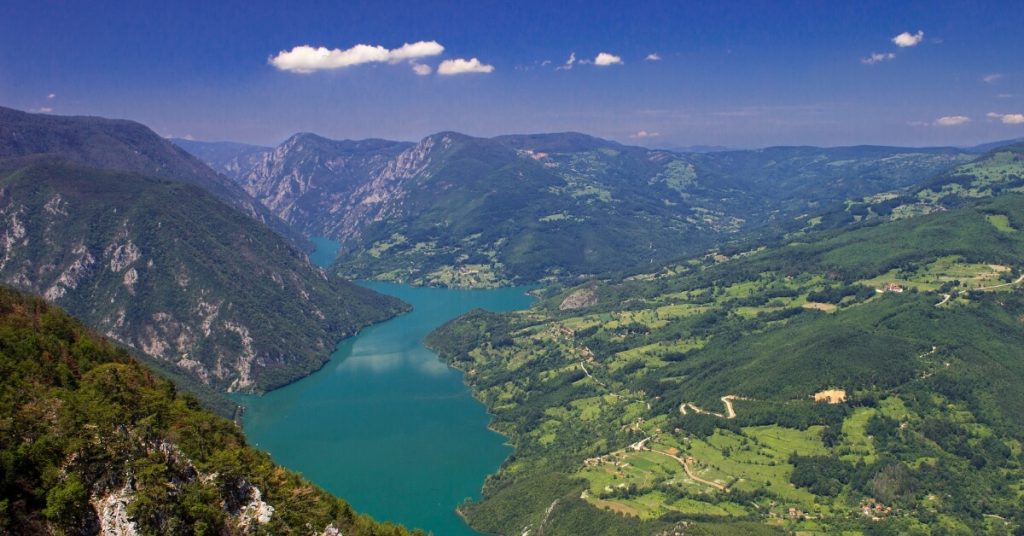
Located in western Serbia, along the border with Bosnia and Herzegovina, Tara National Park is a serene sanctuary that hugs the meandering Drina River. It’s found near the town of Bajina Bašta and covers a vast swath of the Dinaric Alps. Despite being just a few hours from Belgrade, Tara feels like an entirely different world: a wild, quiet, and deeply peaceful natural sanctuary.
Why Tara National Park is Worth Seeing
Tara National Park is where you go to slow down, breathe deeply, have a picnic, and reconnect with nature. The rolling hills are draped in dense pine and beech forests, home to dozens of hiking trails that thread through valleys, past rivers, and up to panoramic viewpoints. With fewer crowds than some of its Balkan counterparts, Tara offers solitude and stillness. The silence here is different. Here, it’s not empty but full of life: rustling leaves, chirping birds, and the occasional crack of a twig under a deer’s hoof!
What Makes It Special
This park is a refuge for both people and wildlife. It shelters the extremely rare Pančić’s spruce, a prehistoric conifer that dates back to the Ice Age and is found nowhere else on Earth in this amount! Brown bears roam the deeper woods, and wolves, lynx, and foxes still follow ancient forest paths. Beyond its rich Balkan nature, Tara also has deep cultural roots. Remote Orthodox monasteries, medieval ruins, and rustic mountain villages give the park a timeless quality, as though it’s been suspended in a slower era.
Popular Routes in Tara National Park
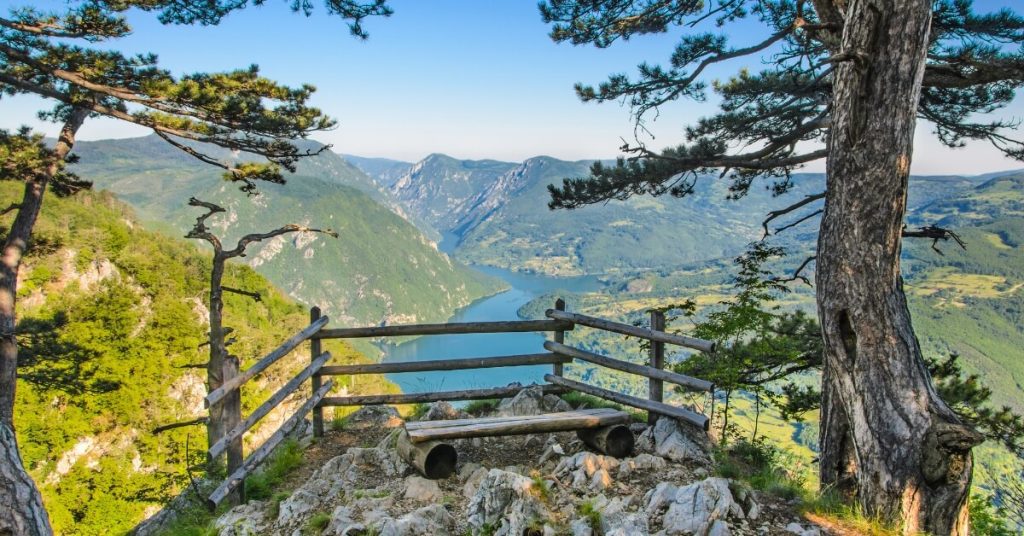
The most beloved hike is the short but spectacular trail to Banjska Stena, a viewpoint that hangs above the Drina Canyon. The path winds gently through pine woods and ends at a wooden platform with one of the most breathtaking river panoramas in the Balkans. Another rewarding route is Predov Krst to Crnjeskovo, a forest loop that meanders through open glades and quiet woodland. It’s a great option for wildlife spotting, particularly in the early morning or late afternoon.
When to Visit Tara National Park
Tara Park is accessible most of the year, but the best hiking conditions are from May to October when the forests are green and alive. In spring, wildflowers bloom along the trails, making the stroll a lot more vibrant. Summer brings perfect temperatures for a leisurely hike: cooler than the valleys, while autumn transforms the hills into a canvas of gold and crimson, even though it can be colder. If you’re a fan of fall hiking, this park is a must.
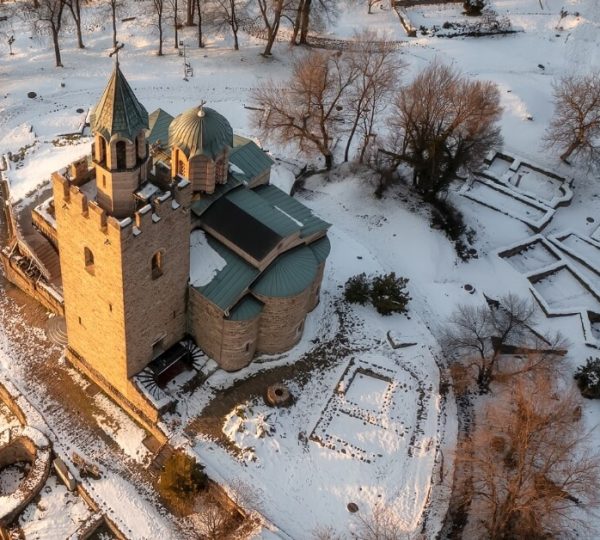
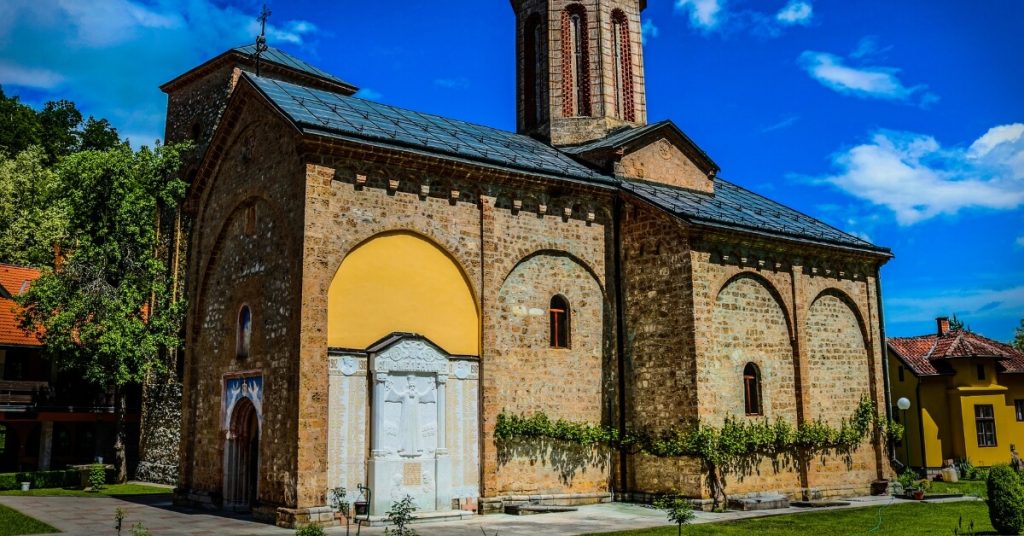
Main Attraction in Tara National Park – Hidden in the forested hills of Tara National Park, Rača Monastery is a peaceful 13th-century retreat that feels worlds away from modern life. Its old stone walls and quiet surroundings offer a glimpse into Serbia’s medieval past, making it a perfect stop for anyone seeking a bit of history, reflection, or just a break from the trail.
What to wear in Tara National Park
Because most trails pass through shaded forests, long sleeves and pants are a smart choice to guard against ticks and other insects. Weather can shift in the mountains, so pack a light, waterproof jacket. Sturdy, closed-toe hiking boots with good grip are essential, as some paths can be muddy or rocky, especially after rain.
Good to Know
Cell signal is weak or nonexistent in many parts of the park, so download offline maps in advance or bring a physical trail guide. Trail signage has improved in recent years, but it’s still wise to double-check directions or just opt for a guided park tour. And remember: this is a bear country. While sightings are rare and bears avoid humans, it’s a good idea to stay alert, hike in small groups, and store food properly if camping. (it might even be a good idea to have a bear-spray in your bag)
Insider Tip
While Banjska Stena is most popular in the morning, try visiting it at sunset. The low-angle light floods the canyon in gold and orange hues, and you’ll often have the platform to yourself. Bring a jacket and a snack; it’s a perfect place to linger as dusk settles in. (and don’t forget to stay safe from bears!)
Photo Spot
The Banjska Stena platform is the go-to spot for postcard-perfect shots. But for a quieter moment, climb a bit further up the adjacent hill for a wide-angle view of the canyon, cliffs, and sky. If possible, bring a wide lens to capture the full drama of the landscape.
Nearby Bite
Head to Ethno Restaurant Javor in nearby Mitrovac, where rustic wooden interiors and a roaring fireplace create the coziest après-hike atmosphere. Order the grilled trout, caught fresh from local waters, and pair it with kajmak (creamy dairy spread) and homemade bread. It’s a simple, satisfying feast that tastes like the forest itself.
See the National Parks of the Balkans with Balkan Trails
The Balkans are a playground for nature lovers, offering everything from alpine peaks and glacial lakes to coastal cliffs and mystical forests. These five national parks are just a glimpse into the region’s breathtaking beauty and ecological diversity. So whether you’re chasing hidden viewpoints, photographing surreal landscapes, or simply enjoying a traditional meal after a day on the trail, these Balkan treasures promise unforgettable adventures.

Pack your boots, charge your camera, and let’s hit the trail together at your own pace!
Book your trip to see the Balkan nature in Romania, Bulgaria, and Serbia with Balkan Trails – a trusty tour operator that will customize your itinerary just how you want it so you can travel stress-free and hassle-free!