
Ready to swap city heat for cool mountain air, turquoise waters, and endless hiking trails? If you’re dreaming of a summer escape into the wild heart of the Balkans, two national parks might just steal your attention (and your heart): Mavrovo in North Macedonia and Llogara in southern Albania. Both are known for their natural beauty, adventure, and that raw charm the Balkans do best.
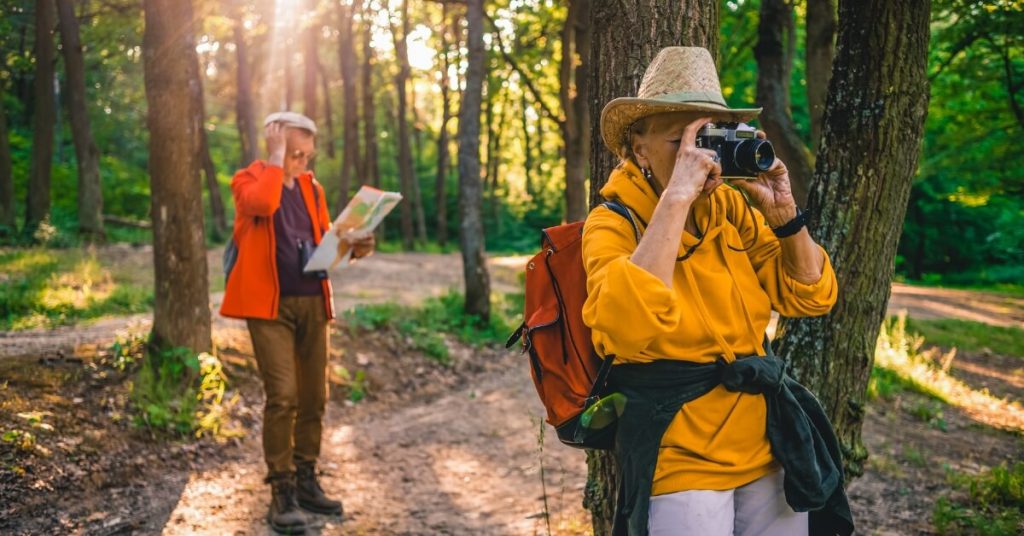
But which one wins the crown for the ultimate summer getaway? Grab your hiking boots (and maybe a swimsuit), because we’re about to put these two stunning parks against each other in a friendly face-off for this article. Let the nature showdown begin!
Mavrovo National Park in North Macedonia
Location
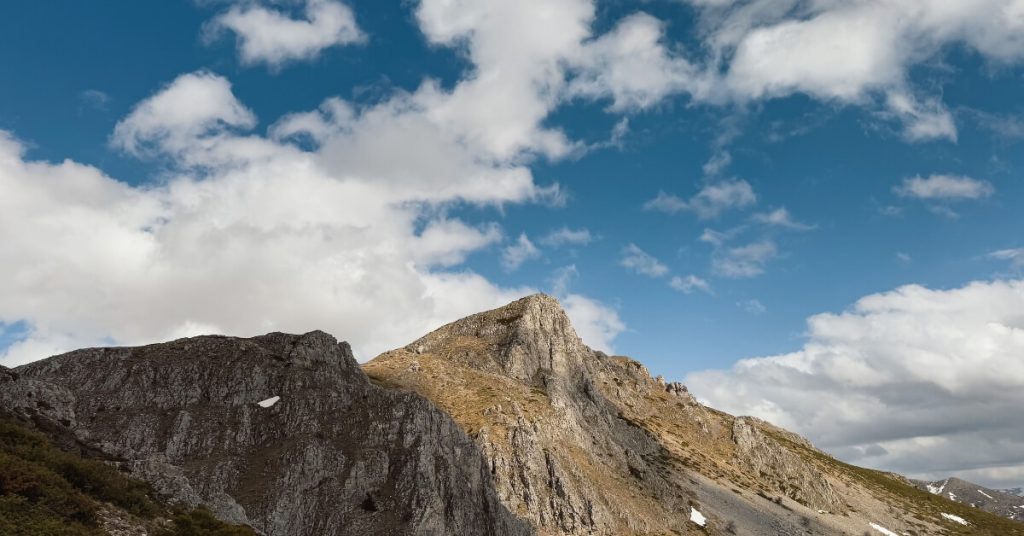
In the rugged northwest of North Macedonia, Mavrovo National Park sprawls across a mosaic of high mountains, alpine pastures, and glacial lakes. It is found near the borders of Albania and Kosovo, yet remains one of the country’s best-kept secrets. The park wraps around the tranquil waters of Lake Mavrovo and reaches up into the Bistra and Korab mountain ranges, making it an idyllic escape just a few hours’ drive from Skopje.
Why Mavrovo National Park is Worth Seeing
Few places in the Balkans offer such a balanced blend of water, forest, and sky. Whether you’re kayaking across glassy lake surfaces, hiking up to panoramic peaks, or wandering through pine-scented trails, Mavrovo pulls you into a slower rhythm of life! The landscape changes dramatically with the seasons: wildflower meadows in spring, sun-dappled lakes in summer, golden forests in autumn, and snowy stillness in winter. It’s a Balkan park for all tastes and all times, really!
What Makes Mavrovo Park Special
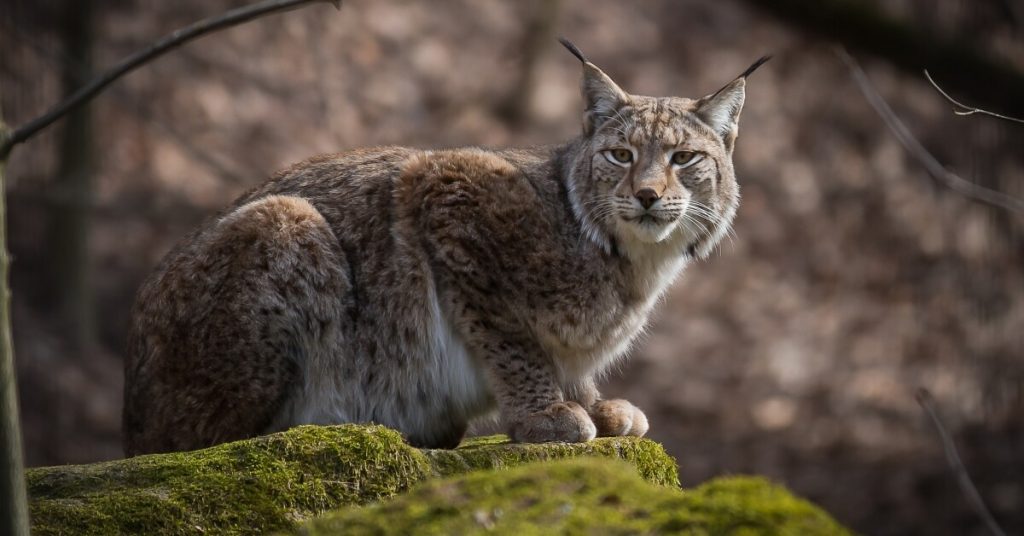
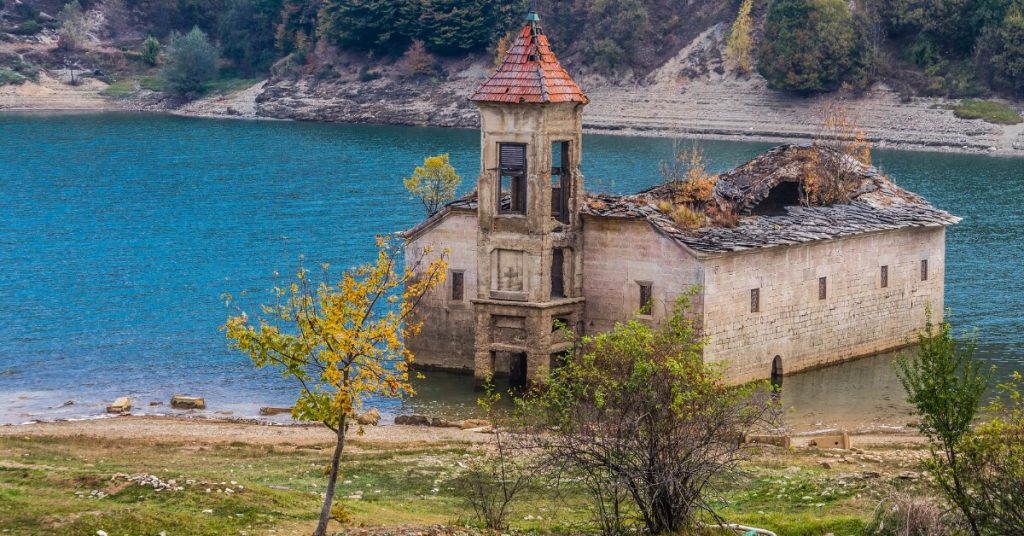
Mavrovo’s magic lies in its contrasts. You can be surrounded by deep pine forests one moment and standing on a bare mountain ridge the next, gazing at distant peaks across national borders. It’s also home to one of Europe’s most elusive creatures: the Balkan lynx, a critically endangered Eurasian lynx subspecies that still roams these remote hills. The park also cradles stories of Ottoman trade routes, ancient churches, and shepherd traditions still alive today. Perhaps nowhere is the mix of history and nature more poignant than at the submerged Church of St. Nicholas, a hauntingly beautiful relic that rises from the lake’s surface like a memory.
Popular Routes in the Mavrovo National Park
The Mavrovo Lake Circuit is perfect for first-timers looking for a slower pace. It’s an easy trail that loops gently around the lake’s edge, offering ever-changing views of the surrounding mountains and passing through quiet lakeside villages. For something wilder, take the trail to Mount Medenica. This moderate ascent takes you through alpine meadows and offers sweeping 360-degree views at the summit, especially dramatic in autumn when the landscape burns with color. For seasoned hikers, the park also provides access to Mount Korab, North Macedonia’s highest peak, though that requires more time and stamina!
When to Visit The Mavrovo Mountains
The ideal time to visit Mavrovo is between May and October. Spring and early summer offer lush greenery and flowing streams. In October, the park becomes a painter’s palette of reds, oranges, and yellows, drawing photographers and solitude seekers alike. If you’re a snow lover, don’t rule out winter as Mavrovo transforms into a ski and snowshoeing destination with a small but charming ski resort and frozen waterfalls to explore.
Main Attraction in Mavrovo
The Submerged Church of St. Nicholas is perhaps the park’s most iconic and surreal sight. Built in the 1850s, the church was partially flooded during the creation of the lake in the mid-20th century. Today, depending on the water level, you’ll either see the spire poking above the surface like a ghostly sentinel or the full stone skeleton rising from the shallows. It’s a photographer’s dream and a quiet place to sit and reflect.
What to wear in Mavrovo National Park
Mavrovo’s weather is unpredictable, especially in the higher elevations, so come prepared. Layered clothing is your best friend: start with a moisture-wicking base layer, a fleece or sweater for warmth, and a wind-resistant outer layer. Sturdy, waterproof hiking boots are essential, especially in spring when trails can be muddy. Sunglasses and sunblock are smart even on overcast days, and a beanie or buff helps cut the wind.
Good to Know
The park spans a large area, and some zones’ trail signage can be minimal. For longer hikes, it’s a good idea to use a GPS-enabled hiking app or go with a local guide. Wildlife is shy but abundant: remember to bring binoculars if you want to spot birds or mammals from afar. And if you’re driving, be aware that roads can be rough in some areas, particularly toward the mountain lodges!
Insider Tip
If you’re in Mavrovo in mid-October, head out early to catch the sunrise at the submerged church. The mist rising off the lake, the golden trees reflecting in the water, and the ancient stone steeple silhouetted against the light create an unforgettable scene. For even more seclusion, explore the village of Galichnik, perched high in the mountains, famous for its stone houses and traditional weddings held once in this charming place!
Photo Spot
The best photos often come just after dawn or in the hour before dusk. For a stunning shot, stand at the eastern edge of Mavrovo Lake, looking west toward the church, when the light turns the water to gold. If you have a drone, this is one of the most dramatic places in the Balkans to use it; just be mindful of wildlife and nightly explorations!
Nearby Bite
Don’t leave without stopping at Hotel Tutto, a family-run guesthouse and restaurant in the picturesque village of Janče. Their mountain herb tea is a soothing post-hike ritual, and the tavče gravče (baked beans), ajvar, and slow-cooked lamb are traditional dishes done with love. Sit on the terrace if the weather’s nice, the view stretches over green valleys all the way to Albania.
Llogara National Park in Albania
Location
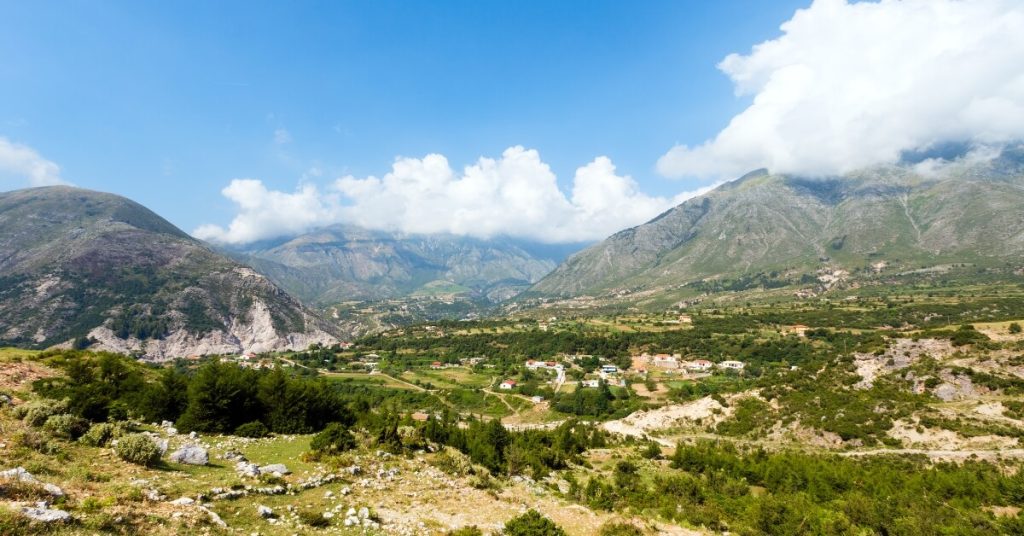
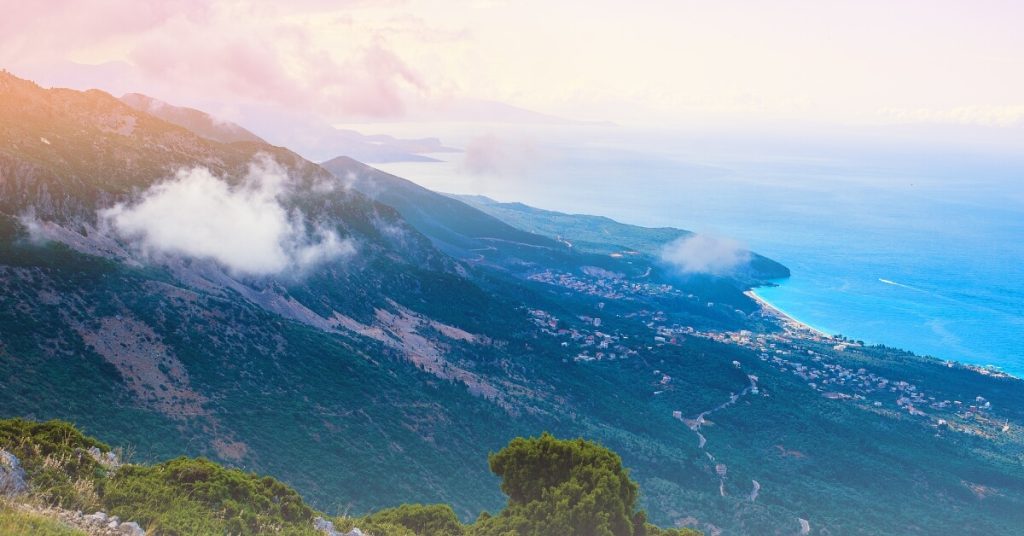
Tucked between the mountains and the sea in southwestern Albania, Llogara National Park is perched along the winding Llogara Pass, where the Ceraunian Mountains plunge dramatically into the Ionian Sea – a scene to paint in your memory forever! The park straddles the coastal road between Vlorë and the Albanian Riviera, making it an unforgettable stop for anyone exploring the region. One moment, you’re deep in a misty pine forest, and the next, you’re gazing out across turquoise waters far below. Can you imagine?
Why is The Llogara National Park Worth Seeing
Llogara is where two worlds collide: the interior’s wild, high-altitude forests meet the coast’s warm, sun-kissed shores. Thanks to the dense conifer woods that coat the slopes, the air is cooler and fresher here, even in the height of summer. You’ll feel it as soon as you arrive: that rush of mountain breeze tinged with salt. It’s the perfect contrast to Albania’s sun-drenched beaches, offering shady trails, panoramic lookouts, and a peaceful retreat from the crowds.
What Makes Llogara Special
The park is known for its windswept pine trees, many of which are twisted into bizarre, otherworldly shapes by the constant sea breeze. Among them is the famous “Flag Pine,” a lone tree bent completely sideways like a flag flapping in the wind. Llogara is also a prime spot for birdwatching, especially for raptors like golden eagles and griffon vultures, which often soar overhead on thermal currents. The alpine and Mediterranean vegetation mix is rare and incredibly biodiverse, making this a haven for flora and fauna lovers.
Popular Routes in The Llogara National Park
The Caesar Pass Trail is one of the most historically and visually rewarding hikes. Named after Julius Caesar, who is believed to have crossed the pass in pursuit of Pompey during the Roman Civil War, this trail follows an ancient route with panoramic sea views and crumbling stone paths. It’s moderate in difficulty and rich in atmosphere! Another great option is the Llogara to Dukat Trail, a gentle forest descent through shaded groves with occasional glimpses of the sea flashing through the trees. Both are perfect for a half-day adventure with plenty of photo stops.
When to Visit Llogara
The best times to visit are April to June and September to October. These seasons offer mild temperatures, open trails, and fewer tourists. In spring, the meadows bloom with wildflowers, and butterflies flutter through sunlit clearings. The forests take on a golden hue in autumn, and the air feels crisp and invigorating. Summer is also possible, but stick to morning hikes, as midday heat and crowds can be intense along the nearby coastal road!
Main Attraction
The crown jewel of the park is the Llogara Pass itself. Standing at over 1,000 meters above sea level, it delivers a heart-stopping view: to one side, the vast blue Ionian Sea stretches endlessly, and to the other, craggy peaks roll inland like frozen waves. On clear days, you can even see across Corfu Island in Greece. Whether you hike or drive, the switchback road through the pass offers one of the most breathtaking journeys in the Balkans.
What to wear in the Llogara National Park
Even in the middle of summer, chilly winds can sweep through the park. Bring layers: a light fleece or jacket is essential, especially for early morning or evening hikes. Comfortable hiking shoes are a must, as trails can be rocky and uneven. If you’re planning to watch the sunset or sunrise from a lookout, pack a windbreaker and maybe even a blanket, as temperatures can drop quickly once the sun disappears.
Good to Know
Llogara is windy by nature, especially at the pass, so be mindful of sudden gusts on ridgelines or exposed viewpoints. The road can be narrow and serpentine, so take your time if you’re driving. There’s limited cell reception in some parts of the trail, so download your maps in advance. Also, bring cash – small eateries and guesthouses in the area may not accept cards.
Insider Tip
If you’re in shape and feeling up to it, hike to Caesar’s Pass just before sunset for a once-in-a-lifetime view! As the sun dips into the Ionian, the light floods the landscape with gold, turning the pines amber and casting long shadows across the valleys. Stay a little longer to watch the stars emerge; there’s almost no light pollution here, making it a dream spot for stargazers.
Photo Spot
The best panoramic shot can be captured from the switchback road just above the pass. Park at the designated lookout and shoot toward the Karaburun Peninsula, especially during golden hour when the cliffs glow orange, and the sea turns silver-blue. If you’re lucky, you might catch clouds rolling beneath you, giving the illusion that you’re standing on the edge of the world! Sounds incredible, right?
Nearby Bite
After a hike, nothing hits the spot like a rustic Albanian meal. Head to the Llogara Tourist Village Restaurant, where the specialty is slow-roasted lamb, grilled to perfection over open coals and served with creamy yogurt, feta-stuffed peppers, and warm village bread. Eat outside if you can: the terrace overlooks a peaceful glade where you might spot wild boar or red deer wandering past!
Mavrovo or Llogara? Who takes the summer crown?
Honestly, it’s a tough call. Mavrovo charms with its alpine lakes, dense forests, and serene atmosphere, while Llogara dazzles with dramatic mountain-meets-sea views and that fresh coastal breeze. The real winner? You, if you get the chance to explore either or both!
And here’s the best part: you don’t have to plan it all yourself. Let the experts at Balkan Trails craft a hassle-free adventure just for you. Whether you’re craving peaceful hikes, historic cities, local food gems, or a bit of everything for wonderful memories, we’ll design a custom tour that fits your pace and preferences.
Want to add in a medieval town, a seaside lunch spot, or a scenic detour? You name it… Balkan Trails will make it happen.
Head over to the Balkan Trails website and start planning your unforgettable 2026 Balkan summer today!