March in Romania is an honest month. It’s not warm yet, not really, but it’s the month everything visibly starts turning: the ski season is winding down in the mountains while the first snowdrops are already up in the lowlands, and you can watch both happening in the same week if you drive from Bucharest to Brașov. I’d rather tell you that upfront than oversell it as a full spring getaway, because the honest version is actually the better sales pitch.
Weather: what to actually expect
Bucharest runs roughly 32 to 55°F (0 to 13°C) in March, with lows near freezing at night and highs climbing into the low-to-mid teens Celsius by late month. Brașov and the mountain towns run colder, typically 25 to 46°F (-4 to 8°C), and ski resorts like Poiana Brașov can still have snow on the slopes into early March some years. Rainfall is genuinely low, usually 35 to 45mm spread across 6 to 10 days for the month, so you’re more likely to deal with cold and wind than actual rain.
The one thing worth planning around: daylight saving time shifts on the last Sunday of March, so double-check flight and train times if your trip spans that weekend. Pack layers regardless of where you’re headed; the swing between a sunny afternoon and a clear, cold evening can be 20 degrees Fahrenheit on the same day.
Bucovina and Transylvania in early spring
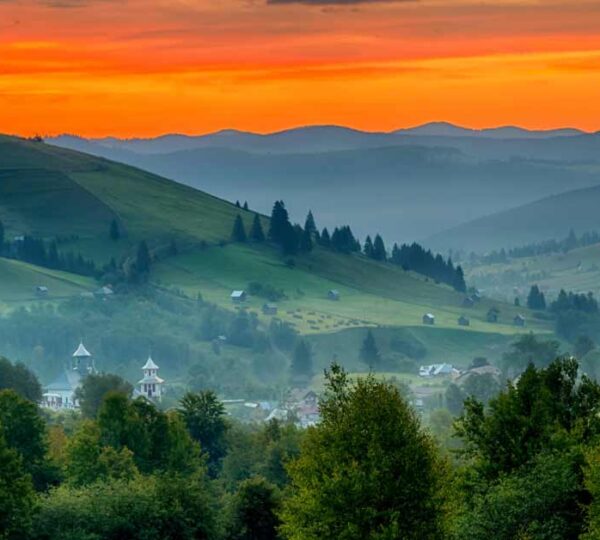
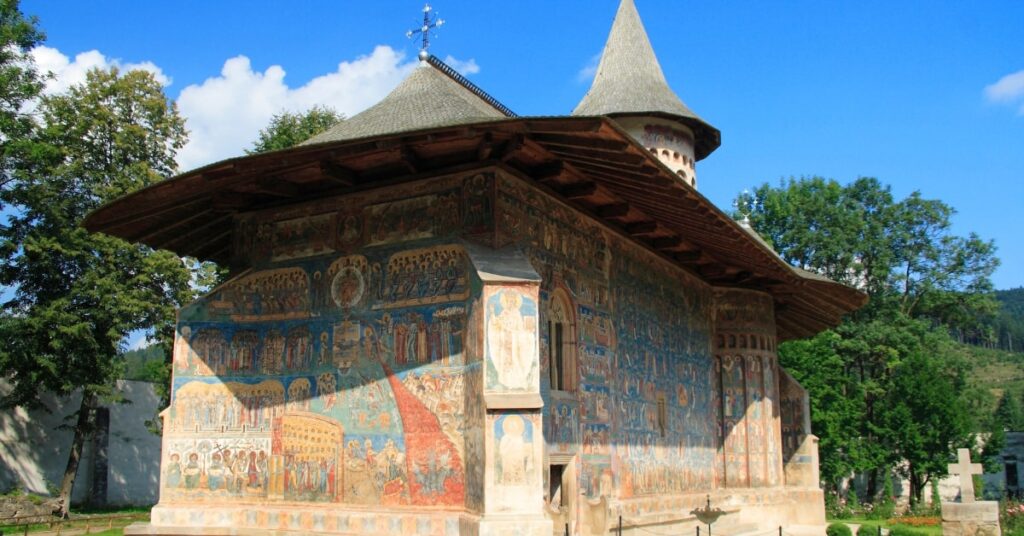
Bucovina’s painted monasteries, Moldovița, Sucevița, Putna, and Voroneț among them, are worth building a March trip around specifically because you’ll often have them close to yourself. I’ve covered the history and the honest corrections other articles get wrong about these in my full guide to Romania’s most beautiful monasteries, so I won’t repeat it here. What’s specific to March: the monastery gardens start showing snowdrops and hyacinths, though the fuller bloom, daffodils and lilies, waits until April or May, so temper your expectations if flowers are the main draw.
The Mocănița steam train, still running through the forest above Vișeu de Sus on the old timber-hauling route from the late 1800s, is worth the detour regardless of season, though March mornings on an open-air car are genuinely cold, dress for it.
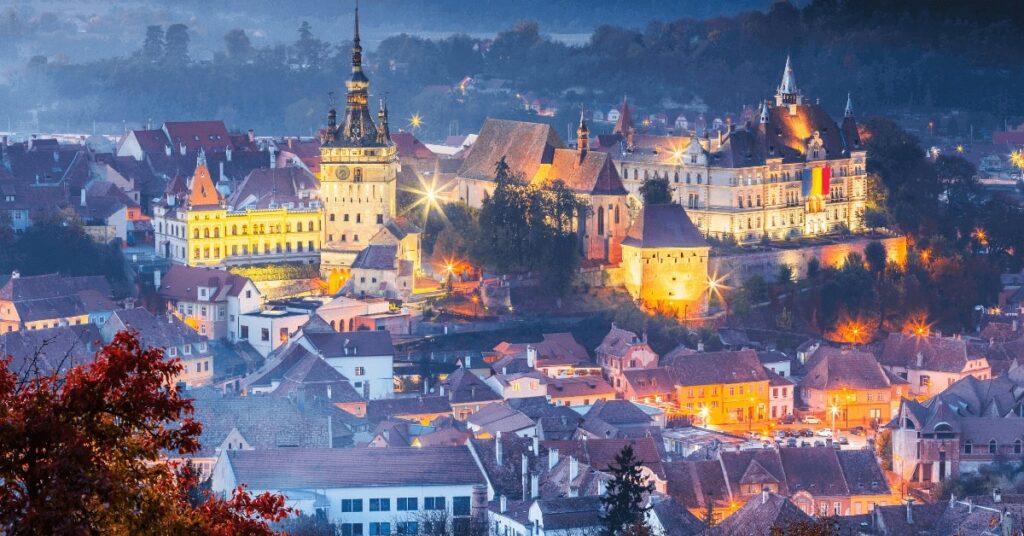
Sighișoara, Transylvania’s UNESCO-listed citadel, is commonly described as the only still-inhabited medieval fortress in Europe, a claim that gets repeated enough it’s worth a light grain of salt, but the core fact holds: roughly 900 people still live inside walls that date to the 12th century, and nine of the original fourteen guild towers survive.
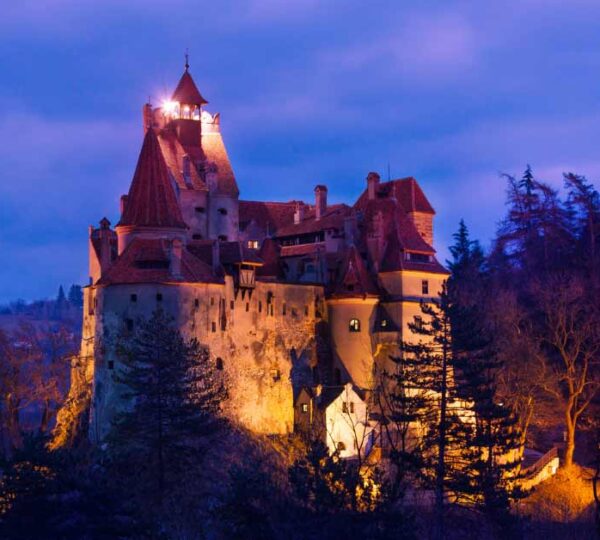
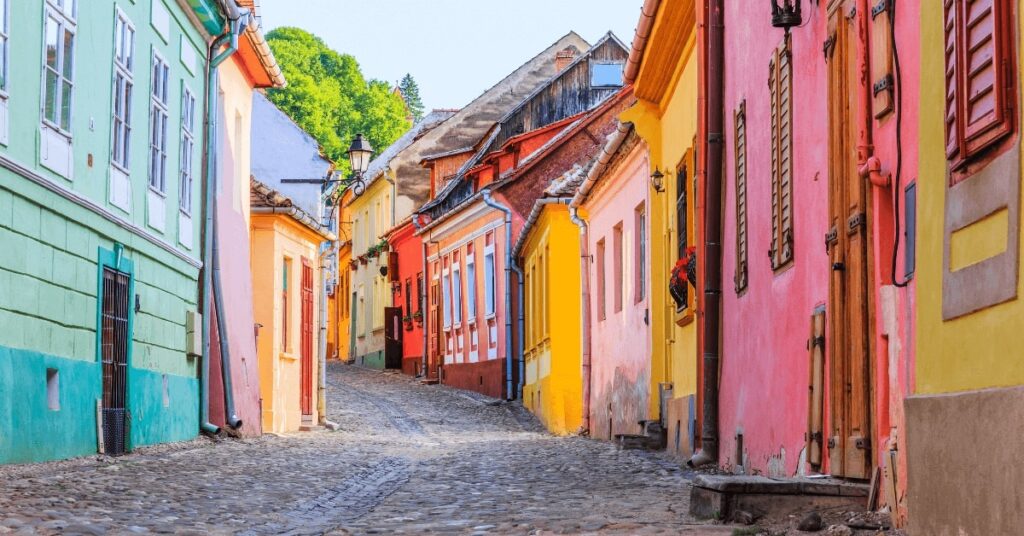
Wander the cobbled streets in March and you’ll likely have long stretches of them without another tourist in sight, which is not something you can say in July. It’s also the town most commonly linked to Vlad Țepeș’s birth, which puts it on the same itinerary as Bran Castle if you’re building a Dracula-adjacent route, though I’d point out, as I do in that guide, that the real history is more interesting than the legend.
Transylvania has far more than these two stops, obviously; my ultimate guide to Transylvania covers the rest, including where to base yourself if you want more than a day-trip pace.
Nature and hiking in March
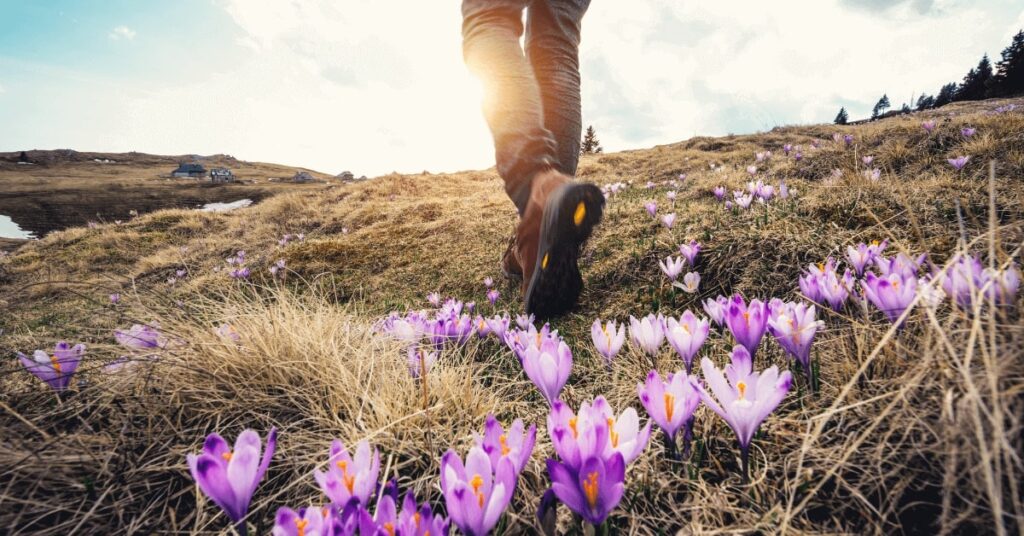
Lowland hiking is genuinely good in March: mild temperatures, dry trails, and the first wildflowers, snowdrops, summer snowflakes, and early rhododendrons on trails like Ciucaș, Leaota, and Piatra Craiului. Be honest with yourself about elevation, though: anything above roughly 1500 meters can still hold snow and ice well into March, so the higher plateau sections of these same ranges aren’t necessarily hikeable yet, even when the lower trailheads look clear. If hiking isn’t the plan, Bucharest’s Japanese Garden and Botanical Garden are already worth a visit by mid-March for early blooms without any elevation gain required.
March traditions worth knowing about
Romania has a genuine cluster of spring traditions packed into the first nine days of March, more than most articles about this month mention. Mărțișor, on March 1st, is the best known: small trinkets tied with a red-and-white braided string, traditionally given by men to women, worn through the month, then tied to a blossoming tree at the end of March for good luck.
The tradition is often described as 8000 years old, tracing back to red-and-white pebble strings found at a Neolithic site in Mehedinți County, though Romanian archaeologists and ethnologists have since disputed that specific link, and no documented reference to Mărțișor itself predates the 19th century. What’s not in dispute: in 2017, UNESCO added it to the Intangible Cultural Heritage list, shared jointly with Bulgaria, Moldova, and North Macedonia, which all have close cousins of the same custom.
Less commonly mentioned: the nine days from March 1 to 9 are also linked to Babele, an old folk tradition of reading each day’s weather as a sign for the month ahead, and March 9th itself is 40 de Mucenici (the 40 Martyrs), marked with a specific sweet bread and, in some regions, a ritual first outdoor bonfire of spring.
March 8th is International Women’s Day, celebrated in Romania with flowers and small gifts more visibly than in a lot of Western countries; if you’re traveling with a Romanian host family or on a small-group tour around that date, don’t be surprised if it’s treated as a bigger deal than you’re used to. If you want more detail on how these overlap with traditions across the border, I’ve written separately about spring traditions shared between Romania and Bulgaria.
Why March specifically, and the honest trade-offs
March sits in the real gap between winter and the Easter/summer crowds, which means shorter lines at castles and monasteries and a genuinely easier time getting a table at the restaurant you actually wanted. Prices reflect that too: guesthouses across most of the country run roughly 100 to 250 RON a night in the off-season, three-star hotels 250 to 450 RON, both toward the lower end of that range in March compared to summer or ski season. Flights and rental cars follow the same pattern.
The trade-off is real, though: some rural guesthouses and smaller regional attractions haven’t fully reopened for the season yet, particularly in Maramureș and parts of Bucovina where owners sometimes close down entirely between November and April. Weather can genuinely swing from a mild 55°F afternoon to a raw, windy one within 48 hours, and if your trip lands during Orthodox Lent, which shifts earlier or later each year depending on Easter’s date, some traditional restaurants trim back the meat-heavy dishes on their menus for the fasting period. None of that should keep you away. It just means March rewards a traveler who packs layers, books ahead for anything rural, and holds a loose itinerary rather than one locked to a single outdoor plan.
Planning the practical side
EU citizens can enter Romania with just a national ID card; everyone else needs a valid passport, so check expiration dates before you book anything. Travel insurance covering health costs abroad is worth having regardless of the season. Beyond that, the country covers vibrant cities, centuries-old forests, snow-capped mountains, and Europe’s second-largest river delta, so it’s worth spending a little time matching what you actually want from a trip to which region before you commit to an itinerary.
If you’d rather not sort through all of that yourself, get in touch and Balkan Trails will build a custom Romania itinerary around a March trip, including current seasonal pricing.