

Romanian food doesn’t get the attention it deserves. Most food-focused travel writing about Eastern Europe fixates on Hungary, Poland, or the Czech Republic – and Romania, which has one of the most distinctive and regionally varied cuisines on the continent, tends to get a paragraph in a listicle and then forgotten. That’s a mistake.
I’ve eaten my way through Romania many times over (and I like to cook romanian food mostly) – market lunches in Sibiu, ciorbe (soups) in village restaurants in Maramureș, papanași in a wooden cabin in the Apuseni mountains, wine tastings in Dealu Mare and on the Târnava valley – and Romanian food consistently rewards people who take it seriously. This guide covers the dishes worth knowing, the drinks worth trying, the Bucharest restaurants where I’d actually send a friend, and the vineyards worth making a detour for.
One practical note before we start: the best Romanian food is almost never in tourist restaurants near major sights. It’s in the local restaurant around the corner from the pension where locals eat on Sunday, in the market hall, in the roadside grill with a hand-painted sign. Price is usually a reliable indicator – if a menu looks designed for foreign visitors, the food will probably reflect that.
Romanian dishes you need to know
Sarmale
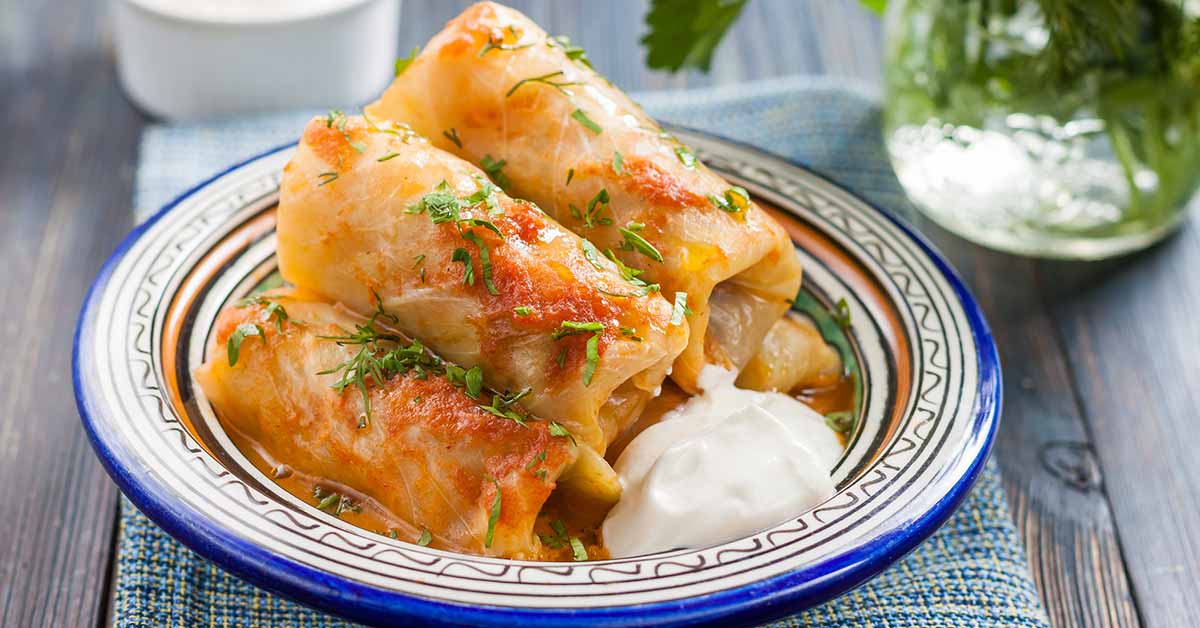
Sarmale are the closest thing Romania has to a national dish, and they’re worth understanding properly before you order them. These are cabbage rolls – tender fermented cabbage leaves wrapped around a filling of minced pork, rice, onion, and herbs, slow-cooked for hours in a pot with tomato and sometimes meat stock. The fermented cabbage is the key variable: the best sarmale use varză murată (soured cabbage, not fresh), which gives the dish a distinctive tangy depth that you can’t replicate with fresh leaves. The rolls should be soft enough to cut with a spoon, the liquid they’re cooked in reduced to a thick, fragrant sauce.
Served with a generous spoonful of smântână (Romanian sour cream, thicker and richer than the Western European version) and mămăligă on the side, sarmale are the dish I eat every visit without exception.
The best sarmale I’ve had in Romania tend to come from places that make them slowly, in large batches, in clay pots – not from restaurants that treat them as a side dish. Ask locals where they go for sarmale. The answer is never the obvious tourist place.
Mici
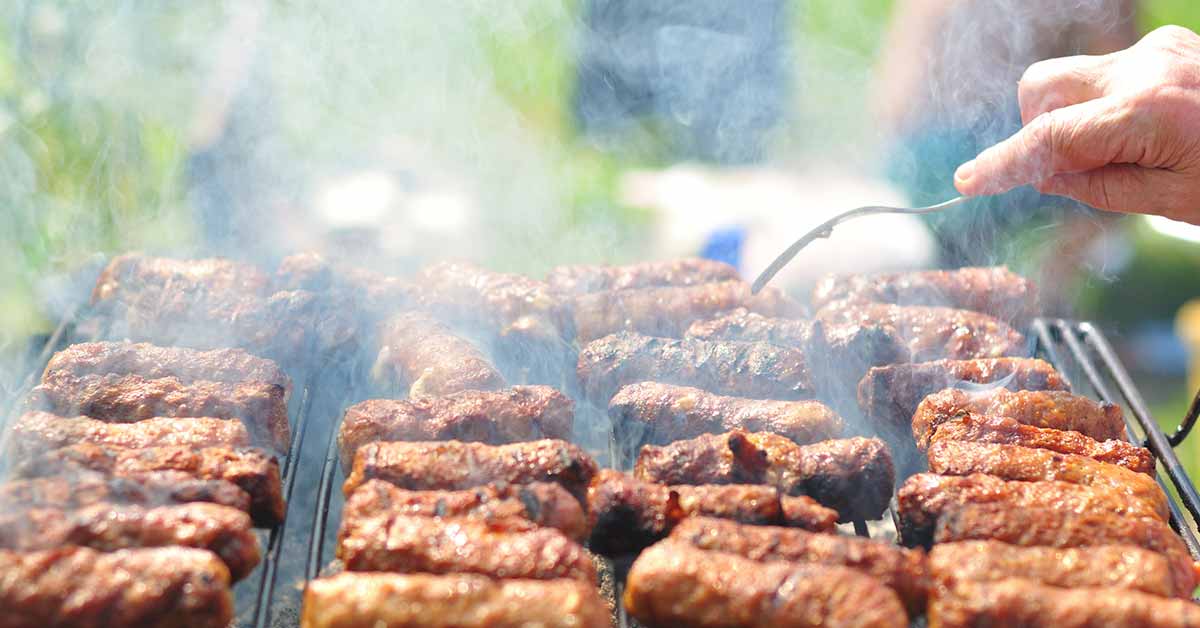
Mici (pronounced “meech” – the name means “the little ones”) are grilled minced meat rolls, seasoned with garlic, coriander, and a touch of baking soda that gives them their distinctive slight crust. They’re eaten everywhere: at roadside grills, at summer festivals, at football matches, outside train stations. The combination of charcoal smoke, fat, and garlic is one of those smells that becomes, after one visit, permanently associated with being in Romania.
The correct accompaniments are mustard (yellow, not Dijon) and fresh white bread. Mici served with ketchup, while not unusual in tourist places, should be treated with appropriate suspicion.
The grills that produce the best mici are usually the simplest: a fire, a grill, an outdoor table, nothing else. In Bucharest, the area around Obor market has several such spots. In summer, any village festival will have a mici stand worth trying.
Ciorbă
Ciorba is the category of Romanian sour soups – and it’s a category, not a single dish. The sourness comes from different acidifiers depending on the region and the recipe: zeamă de varză (cabbage brine), lemon juice, borș (fermented wheat bran liquid), or vinegar. Each gives a different character.
Ciorba de perișoare (meatball soup, usually pork, in a lightly soured vegetable broth) is the most widely loved. Ciorba de burtă (tripe soup, with cream and garlic, finished with a splash of vinegar) is the one worth trying if you’re willing to be adventurous – it’s a hangover cure of legendary status in Romania, and genuinely delicious if you don’t think too hard about the ingredients. Ciorba țărănească (peasant soup, vegetable-heavy, sometimes with pork or chicken, soured with borș) is what you’ll find in village restaurants and is often the best thing on the menu.
A bowl of ciorba costs 15-25 RON in most Romanian restaurants outside Bucharest. In Bucharest, expect 30-45 RON at a decent sit-down place.
Mămăligă
Mămăligă is Romanian polenta – cornmeal cooked in salted water until thick, then turned out as a solid mass. It functions the way bread does elsewhere: as the base, the carrier, the thing that makes the rest of the meal make sense. It’s eaten alongside sarmale, alongside stews, alongside fried eggs and cheese for breakfast in northern Romania, broken apart and dipped into sour cream.
The best mămăligă is made from coarse-ground yellow cornmeal and cooked in a ceramic or cast-iron pot – not the instant variety. It should have some texture, not be smooth like polenta in an Italian restaurant. Ask for it moi (soft) or tare (firm) depending on what you’re eating it with.
Papanași
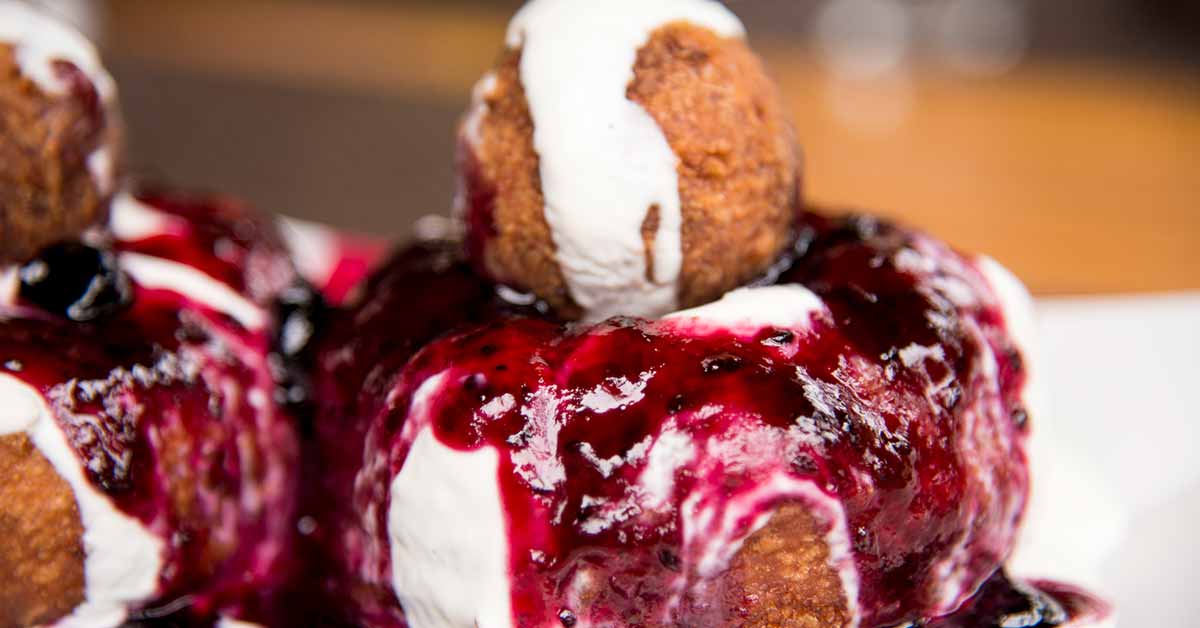
If you eat one Romanian dessert, eat papanași. These are fried doughnuts made from a fresh cheese dough – light, slightly tangy, with a crisp exterior and a soft center – served with a generous portion of sour cream and a dark fruit jam, usually sour cherry or blueberry.
Two warnings: the portions are enormous (one serving is usually two large doughnuts plus a bowl of each accompaniment), and quality varies significantly. The best papanași are made to order and served immediately; the worst are pre-fried and reheated. The sign of a good version is the sour cream being cold and the doughnut being hot enough to cause it to melt slightly on contact.
In my experience, the best papanași in Romania are found in Transylvania, particularly in traditional guest houses and cabins in the mountains. In cities, quality is more hit or miss.
The ingredients worth paying attention to
Cheese: telemea, burduf, and smoked caș
Romanian artisanal cheese doesn’t have so much international recognition, but it should. Telemea is the most common – a white brined cheese made from sheep’s or cow’s milk, salty and slightly sour, somewhere between feta and halloumi in texture. Sheep’s milk telemea from Sibiu or the Apuseni region is the best version – firmer, more complex, and much better than the supermarket cow’s milk variety.
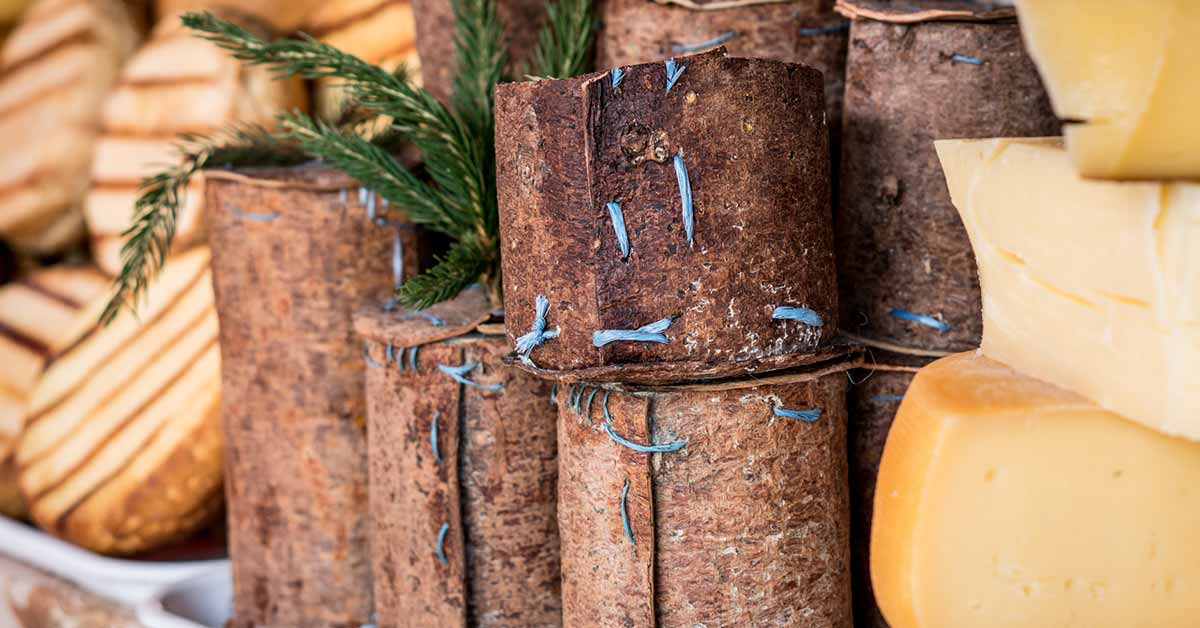
Burduf cheese is a different category entirely: a sharp, creamy aged cheese made from sheep’s milk, traditionally packed inside a fir bark or sheep’s stomach for aging. It has a pungent smell and an intense flavor that divides opinion sharply, but if you like aged sheep’s cheeses anywhere in Europe, you’ll probably love it. Buy it at markets, not supermarkets.
Smoked pressed cheese (caș afumat) is another worth trying – a semi-firm yellow cheese with a smoked rind, sold in wheels at every market. It’s mild enough to appeal to most people and works well as a snack with bread and a glass of wine.
Wild ingredients from Romanian forests
Romanian forests produce a significant amount of what ends up on restaurant tables: wild mushrooms (hribi – gălbiori – are the most prized), wild garlic (leurdă, in spring), nettles, lovage, wild berries. The spring window – roughly late March to June – is when these ingredients are at their peak and when Romanian cooking is at its most seasonal and interesting. Ciorbă cu leurdă (wild garlic soup) and dishes featuring fresh nettles are worth seeking out specifically in spring.
If you want to take forest ingredients home, buy from local market vendors or village sellers, not from supermarkets. The quality difference is significant, and you’re supporting people who forage directly rather than a supply chain.
Romanian wines
Romania has been producing wine since before the Romans arrived, and the country still has indigenous grape varieties that exist nowhere else. The two you’ll see most are:
Fetească Neagră – a robust, full-bodied red with dark fruit, tannin, and occasional smoky notes. The best versions come from Dealu Mare (Prahova County) and can age well. This is the variety that consistently impresses foreign wine drinkers who expect nothing from Romanian reds.
Fetească Regală – a white grape producing dry-to-semi-sweet wines with floral aromatics and good acidity. Grown widely in Transylvania, particularly on the Târnava valley. More delicate than most international whites, worth trying with Romanian food specifically because the pairing makes sense in a way that imported wine doesn’t.
Beyond these, Muscat Ottonel from Murfatlar (near Constanța on the Black Sea coast) produces aromatic, semi-sweet whites that are very Romanian in character, and Tămâioasă Românească (another aromatic indigenous variety) is worth finding if you see it on a wine list.
Romanian wine is significantly cheaper in Romania than abroad, and restaurant wine lists in smaller towns often feature small producers you’ll never find outside the country. Order local.

Festive and seasonal dishes worth knowing
Christmas: piftia, friptură de porc, and caltaboș
Romanian Christmas food centers almost entirely on pork – a tradition that goes back to the ritual slaughter of the family pig on December 20th (Ignatul), still practiced in villages. The day-after dishes from that slaughter define the Christmas table.
Piftia (also called răcitură) is pork aspic – trotters, ears, and offcuts boiled until the gelatin releases, then set in a mold with garlic and peppercorns. It sounds uncompromising but is lighter than it looks, eaten cold as a starter. Caltaboș is a cooked pork sausage made from offal, rice, and spices – a softer, more delicate version of haggis. Both are acquired tastes that are worth acquiring.
Friptură de porc (roast pork, often slow-cooked) is the centerpiece, typically accompanied by sarmale and mămăligă. If you’re in Romania between December 20th and January 1st, you’ll eat better home-cooked pork than at almost any other time of year – if you’re staying in a guest house or with a Romanian family.
Easter: drob de miel and pască
Romanian Easter food pivots entirely to lamb. Drob de miel is a baked lamb offal roll – liver, lungs, heart, and kidneys minced with onion, dill, and parsley, wrapped in a caul fat net and baked until firm. It’s traditionally the first thing eaten after the midnight church service on Easter Saturday.
Pască is a sweet cheese bread specific to Easter – a brioche-style dough filled with fresh cheese (similar to ricotta), eggs, vanilla, and raisins. It’s baked in a round shape and blessed at church before being eaten. Every family has a slightly different recipe; the bakery version is a poor substitute.

Where to eat in Bucharest: four restaurants worth your time
NOUA
NOUA is probably the most serious restaurant in Bucharest for modern Romanian cooking. Chef Alexandru Iacob works with local producers and seasonal Romanian ingredients but frames them in a contemporary tasting menu format – this is not a traditional restaurant, and you shouldn’t come expecting a plate of sarmale. What you get instead is a thoughtful argument for what Romanian cuisine can be when someone intelligent is paying attention to it. Expect to spend 300-500 RON per person with wine.
Reservations are essential, sometimes weeks in advance on weekends. nouarestaurant.ro
Grai
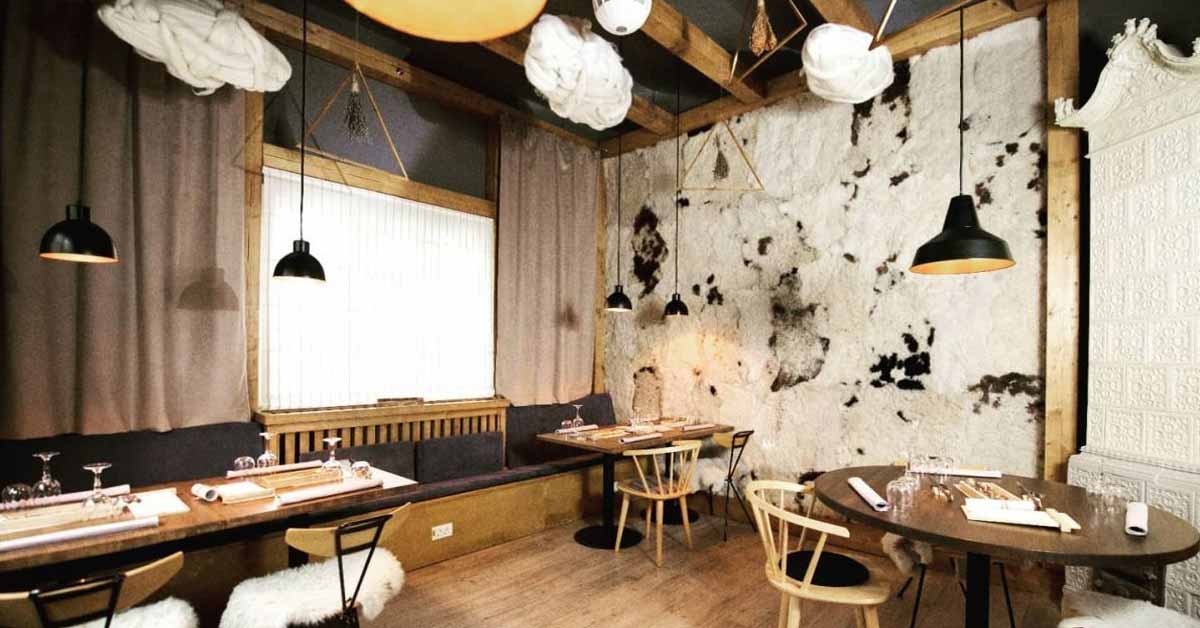
Grai sits between traditional and contemporary – a small restaurant that takes Romanian regional cooking seriously, sources well, and executes without the formality of NOUA. The menu changes seasonally, which is a reliable indicator that someone cares. Better for a relaxed dinner than a special occasion. Instagram: grai.restaurant
Kane
Kane is the right answer if you want contemporary Romanian cooking with a shorter format and a more casual atmosphere than NOUA. The kitchen takes Romanian ingredients and applies modern technique without losing sight of the flavors that make the cuisine distinctive. Good cocktail program alongside the food.
Caru cu Bere: for the building as much as the food
Caru cu Bere, on Strada Stavropoleos in central Bucharest, has been operating since 1879 and is one of the most extraordinary pieces of commercial architecture in Romania – a Neo-Gothic dining hall with stained glass, painted vaulted ceilings, carved wooden galleries, and a floor of ornate mosaic tiles. The food is decent traditional Romanian cooking (the sarmale and ciorba are reliable); the beer, brewed on-site in Vienna lager style, is better than the average Romanian restaurant draft. But the main reason to go is the room itself.
Expect queues on weekend evenings. It’s expensive by Bucharest standards – budget 150-250 RON per person – and very much a tourist destination, but one that genuinely earns its reputation.

Caru cu Bere (photo credits Caru cu Bere)
Vineyards worth visiting
Romania’s wine regions are spread across the country, and visiting them directly is still a relatively undiscovered experience compared to similar winery tourism in France or Italy. Prices are low, the welcome is often personal, and the wines are frequently better than their international reputation suggests.
Cramele Recaș, Banat
Cramele Recaș, near Timișoara in the western Banat region, is one of Romania’s largest and most export-oriented producers – their wines appear in UK and German supermarkets, which speaks to quality consistency. The estate covers over 1,000 hectares and produces everything from entry-level reds to more serious single-variety wines. The guided vineyard tour is thorough and the tasting facilities are well-organized – a good introduction to Romanian wine for people who are new to it. cramelerecas.ro
Villa Vinea, Târnava valley, Transylvania
Villa Vinèa sits on the Târnava Mică river near Târgu Mureș, in the heart of Transylvania’s coolest wine-growing region. The altitude and northern latitude here produce white wines with genuinely distinctive acidity and aromatic character – the Fetească Regală and Gewürztraminer from the Târnava valley taste different from the same varieties grown further south. The estate is smaller and more personal than Recaș, founded by two friends rather than a corporation, and the tasting experience reflects that. villavinea.com

Crama Liliac, Lechința, Transylvania
Near the village of Batoș in northern Transylvania, Crama Liliac produces wines from the Lechința appellation – an area that was producing wine before communism nationalized and then largely destroyed Romanian wine culture in the 20th century. The estate combines German investment and winemaking expertise with Romanian terroir, which sounds like it shouldn’t work but does – their Fetească Neagră has won international awards and genuinely deserves them. The location, in rolling Transylvanian hills far from any tourist circuit, is half the appeal. liliac.com
Planning a food-focused Romania trip
If the culinary side of Romania is your main interest, a few practical suggestions:
The combination of Bucharest (for restaurant dining and Caru cu Bere) + Transylvania (for vineyard visits, artisanal cheese, and traditional mountain food) + Maramureș (for the most traditional village cooking still practiced anywhere in the country) covers a remarkable range in 8-10 days. The Transylvania travel guide is useful for structuring the middle section of that trip.
For the most authentic food experiences, plan around markets. Sibiu’s covered market hall, Cluj-Napoca’s central market, and the small village markets in Maramureș that operate on specific weekdays are all worth building an itinerary around. The Maramureș and Bucovina guide covers the northern region where village food traditions are strongest.
Budget-wise, eating well in Romania is very affordable. A full meal at a good local restaurant outside Bucharest – ciorba, a main course, local wine, dessert – costs 80-130 RON per person (roughly 16-26 EUR at current exchange rates). Bucharest restaurants in the serious dining category run 200-500 RON per person with wine. For broader trip budgeting, the Romania and Bulgaria travel budget guide has useful current benchmarks.
If you’d prefer to leave the planning to someone who knows the producers and the restaurants: you can see our Romania tours here or browse individual tour add-ons for food and wine experiences.