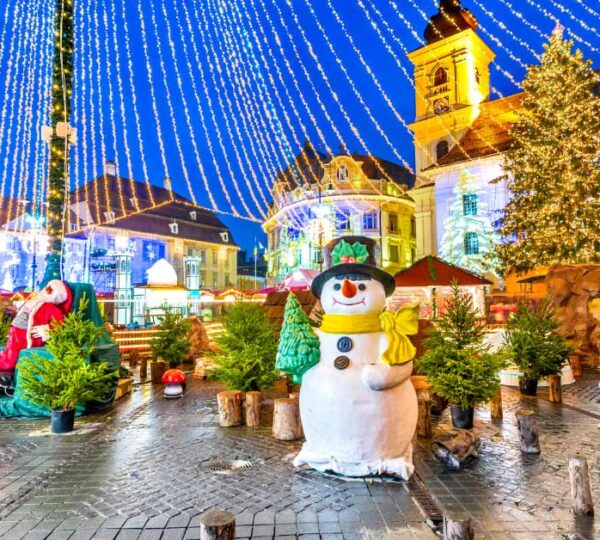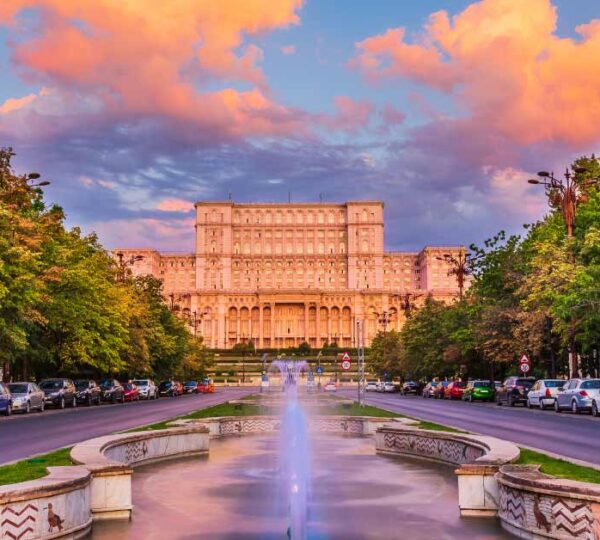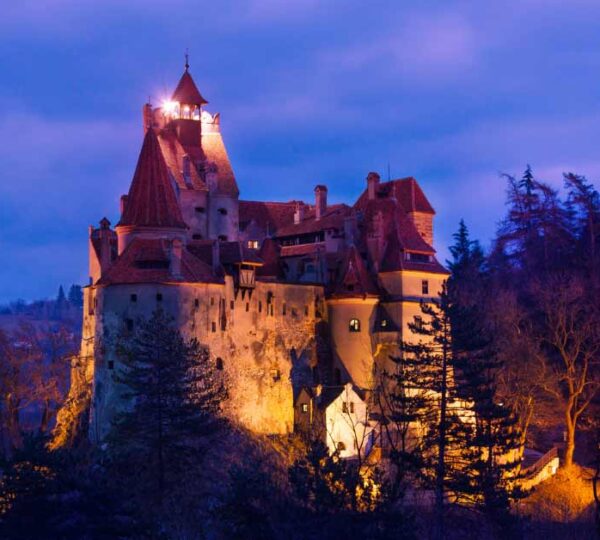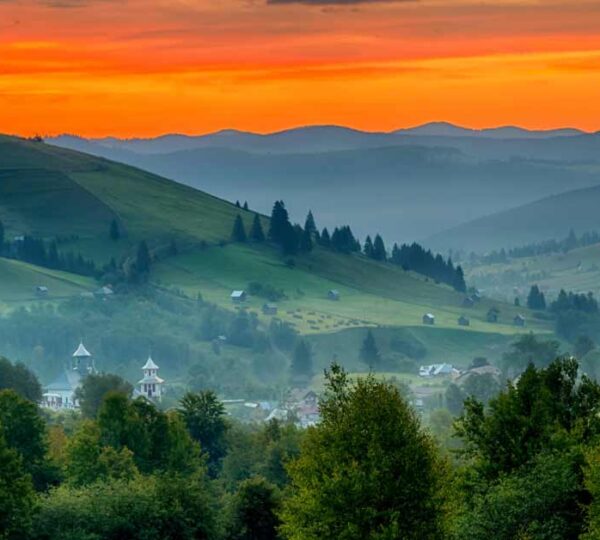

Romania doesn’t get the safety coverage it deserves and what it does get is often written by people who’ve never been there. So let me be direct: Romania is one of the safer countries in Europe for tourists. Eurostat crime statistics consistently place Romania among the EU member states with the lowest rates of assault and robbery. The day-to-day experience of traveling here, walking old town streets at night, taking trains between cities, staying in rural guesthouses, involves very little of the threat-awareness that travel in parts of Western Europe increasingly requires.
That said, “safe” doesn’t mean “no risks.” The risks that do exist in Romania are real and specific, and understanding them before you arrive is far more useful than a generic reassurance. This guide covers the actual threat landscape: transport, petty theft, scams, money exchange, and nightlife, with honest context about where problems are common and where they’re overstated.
For a broader picture of what Romania has to offer beyond the safety question, our full Romania travel guide is a good starting point.
How safe is Romania, actually?
The most useful comparison I can offer: I’ve traveled through Romania extensively ( and I actually live here) – cities, rural villages, mountain roads, the Danube Delta – and the moments where I felt genuinely unsafe can be counted on one hand, and all of them involved my own poor judgment rather than the country’s crime profile.
Violent crime against tourists is rare. Muggings, street assaults, and the kind of opportunistic violence that travelers worry about in some capital cities are not a significant feature of Romanian urban life. The threat profile for a tourist in Romania is dominated by one category: non-violent scams and petty theft, concentrated in specific contexts that are easy to avoid once you know what they are.
Romania is an EU member state with functioning emergency services. The European emergency number 112 works throughout the country and connects to police, ambulance, and fire services. English-speaking operators are not always available, but the system works.
Transport: road safety and getting around
Driving in Romania
If you’re renting a car, which I’d strongly recommend for getting to the regions that make Romania worth visiting, road conditions are the main thing to prepare for. Romanian motorways are well-maintained and safe. The A1 (Bucharest–Pitești–Sibiu), A2 (Bucharest to the Black Sea), and A3 (Bucharest–Cluj-Napoca, still extending) are all fine to drive at normal motorway speeds.
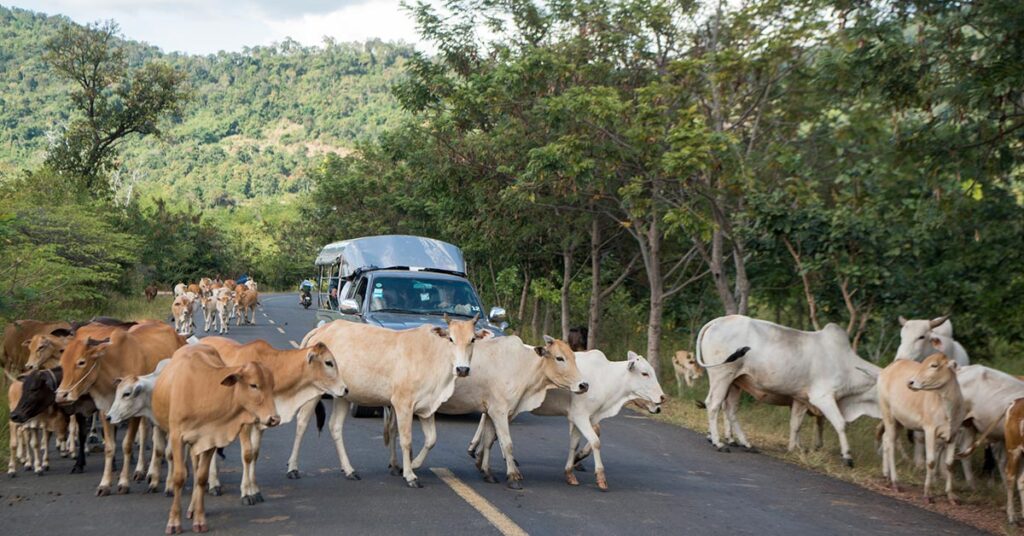
The problem is everything off the motorway network. National roads (DN prefix) range from decent to actively dangerous, and county roads (DJ prefix) can be unpaved, unlit, and unmarked. Specific hazards on Romanian rural roads:
- Horse-drawn carts, often without reflectors, especially at dusk in Maramureș, Moldavia, and Transylvania’s rural backroads
- Potholes that appear mid-bend, vehicles ahead will brake suddenly with no warning
- Stray dogs on rural roads, occasionally in packs
- Agricultural vehicles pulling out of field tracks without signaling
- In the Carpathians: snow and black ice from October through April on mountain passes, even on the main DN1 through Predeal
My practical advice: Drive defensively, keep more following distance than feels necessary, and don’t drive mountain passes at night in autumn or winter unless you have winter tyres and know the road. The DN7C (Transfăgărășan) and DN67C (Transalpina) are both closed in winter, roughly November to June, so there’s no temptation there, but other Carpathian crossings stay technically open while becoming significantly more dangerous.
Taxis and ride apps in Bucharest
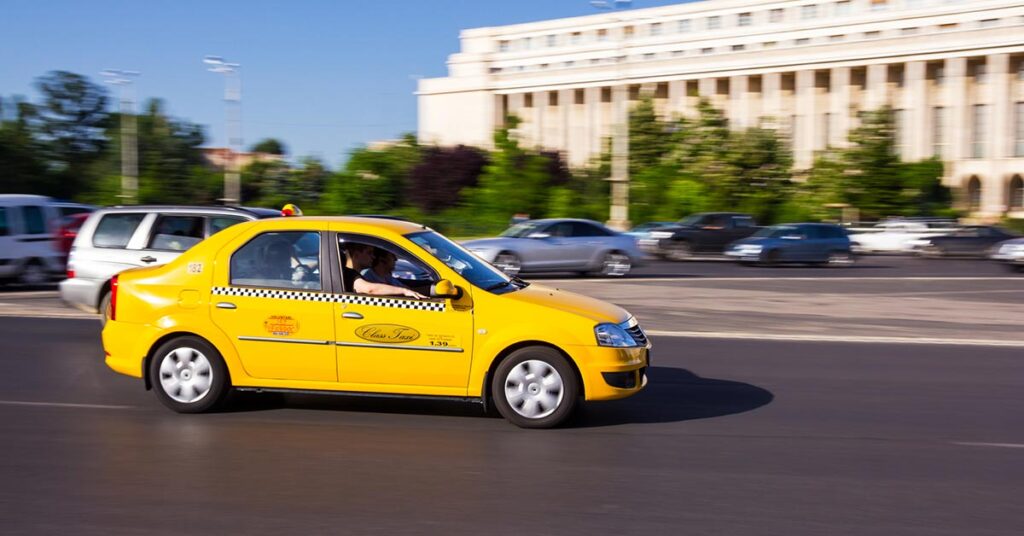
The taxi scam is one of Romania’s most reliably documented tourist experiences, concentrated almost entirely in Bucharest. The mechanism: unlicensed or semi-licensed drivers position themselves outside the airport (Henri Coandă), major train stations (Gara de Nord), and tourist areas, and offer rides at rates that seem reasonable until you see the meter running at 10–15x the standard rate.
The fix is simple: use Bolt or Uber exclusively in Bucharest. Both apps operate widely, prices are shown upfront, and drivers are rated. A Bolt from Henri Coandă airport to Centrul Vechi (the old town) typically costs 50–90 RON depending on traffic. If you need a licensed taxi, call one by app (STB Taxi, Speed Taxi) rather than flagging one off the street.
Outside Bucharest, taxis in smaller cities (Brașov, Cluj-Napoca, Sibiu) are generally honest. The airport-and-station scam is specific to Bucharest’s tourist infrastructure.
Public transport
CFR (Căile Ferate Române) trains are safe. I’ve never had a security incident on a Romanian train. They’re often late, occasionally very late, and some rolling stock is old, but the journey itself is fine. Book tickets on the CFR Călători website (cfrcalatori.ro) or at station ticket windows. Long-distance intercity (IC) trains are more reliable than personal (P) trains; the difference in ticket price is small, the difference in comfort and punctuality is significant.
Bucharest’s metro (Metrorex) is safe, clean, and useful for crossing the city quickly. Buses and trams are fine but crowded during peak hours – keep a hand on your bag on busy routes.
Petty theft: where it happens and how to avoid it
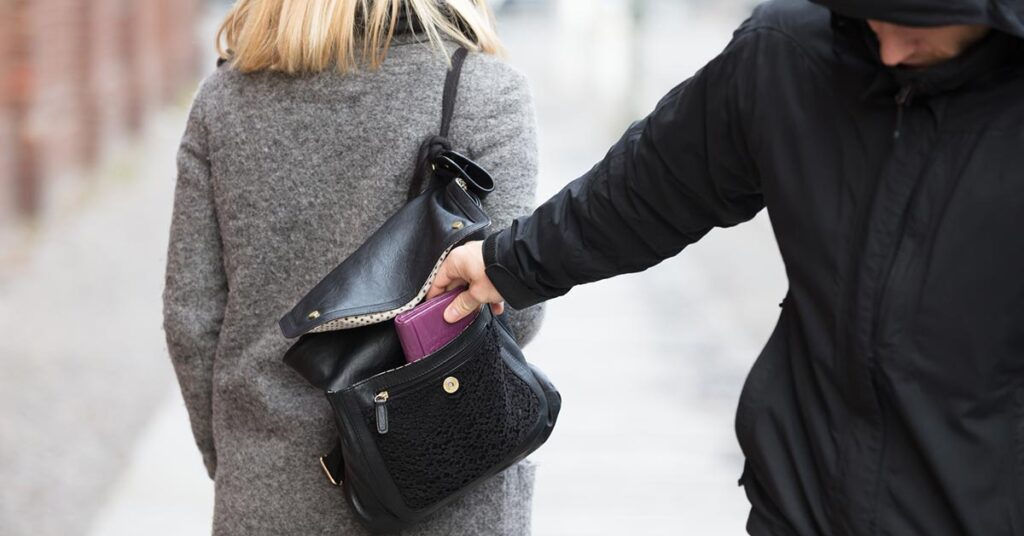
Pickpocketing in Romania is real but not uniquely prevalent – it’s comparable to any major European tourist city. The risk is concentrated in specific contexts:
- Bucharest’s metro, particularly the Piața Unirii interchange during rush hour
- The Gara de Nord station concourse and the platforms
- Crowded markets and street food areas in high season
- The tourist-facing streets of Centrul Vechi on weekend nights
Standard precautions cover most of the risk: a crossbody bag worn in front in crowded areas, nothing in back pockets, hotel valuables in the room safe or at reception. Thefts from hotel rooms do happen, not commonly, but often enough that leaving electronics and cash visibly on the desk isn’t worth the risk.
One scam worth knowing specifically: the “petition scam,” where a person approaches you with a clipboard and a cause (deaf children’s charity is common), asks you to sign, and uses the distraction to pickpocket while you write. Decline to sign anything on the street and keep walking.
Money and currency: practical safety
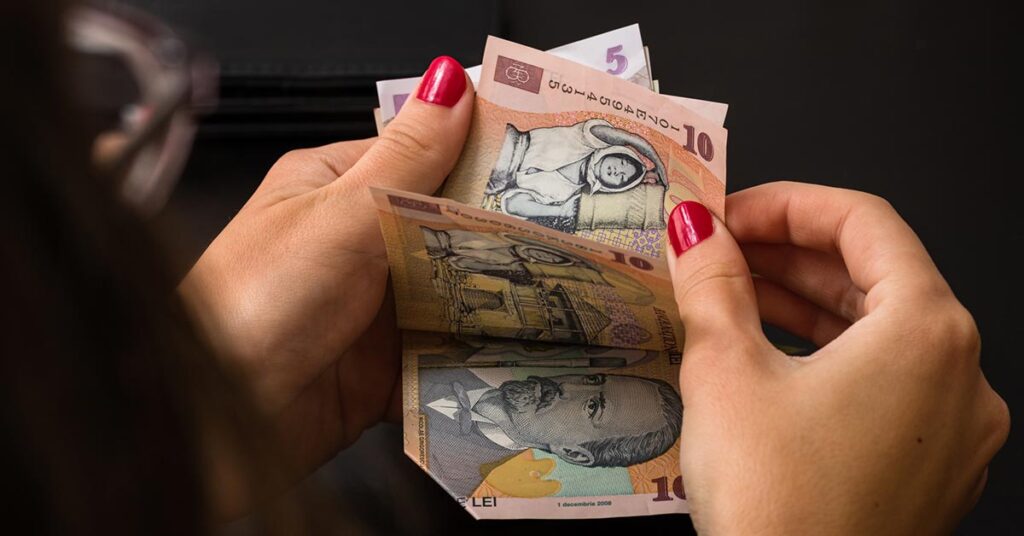
Romania uses the leu (RON). As of 2026, the approximate exchange rate is around 5.2 RON to the euro and 4.5 RON to the US dollar, but check the Romanian National Bank’s official rate at bnr.ro before you travel and before any significant exchange. The BNR rate is the reference: any exchange office offering dramatically worse rates is taking a significant margin.
Where to exchange money safely:
- Bank ATMs in city centres and shopping malls are the most reliable – use cards from major international banks (Visa/Mastercard work everywhere) and withdraw larger amounts less frequently to minimize per-transaction fees
- Licensed exchange offices (case de schimb) in city centres are fine – verify the rate on the board matches what you expect from BNR, and confirm the fee structure before handing over cash
- Airport exchange counters typically offer poor rates – change only what you need to get into the city, then use an ATM
Avoid: ATMs inside small shops, in dark or isolated locations, or that look recently installed with no bank branding. Card skimming exists, though it’s not Romania-specific.
Cash vs card: You can pay by card in virtually all restaurants, hotels, and shops in cities and tourist areas. Cash remains essential in rural areas – village guest houses, mountain cabins, roadside food stalls, and smaller market vendors often don’t have card terminals. Carry 200–400 RON in small denominations (20 and 50 RON notes) as a baseline when leaving urban areas.
Tipping: 10% is the norm in restaurants. Round up taxi fares. No tipping expectation at bars or fast food. Read our practical budget guide to Romania and Bulgaria for full cost context.
Nightlife safety in Bucharest
Bucharest’s Old Town (Centrul Vechi, specifically Strada Covaci and the surrounding streets) is Romania’s most concentrated nightlife area – dozens of bars and clubs within a few hundred metres. The atmosphere on weekend nights is energetic, the crowds are mixed between locals and tourists, and most of the safety issues that occur here are predictable and avoidable.
Drink spiking is the most significant risk, and it’s not rare enough to dismiss. It affects both women and men. Never leave your drink unattended, and decline drinks from strangers. The commercial appeal of spiking in tourist bar areas is straightforward: incapacitated tourists are easier targets for theft. Keep your group together, agree on a meeting point if separated, and use Bolt to get home rather than accepting a ride from someone you’ve just met.
Overpriced menus are a separate but common issue in the most tourist-facing bars of Centrul Vechi. A beer that costs 15–20 RON two streets away appears on some menus at 40–60 RON with no warning. Check the menu and prices before ordering. If a place doesn’t display prices visibly, that’s the answer.
The clubs themselves (Bucharest has a serious electronic music scene centered on venues like Control, Expirat, and Fabrica) are generally well-run and not significantly more risky than comparable venues in Berlin or Prague. The problem zone is the tourist-facing strip, not the city’s actual nightlife culture.

Stray dogs: a real but manageable issue
This is the one safety topic that most travel articles on Romania either ignore or catastrophize. The honest version: stray dogs exist in Romanian cities and rural areas. Urban populations have decreased significantly since Bucharest’s 2013 euthanasia policy, but rural Romania, particularly in Maramureș, Moldavia, and the mountain regions, still has stray dog populations that can be aggressive.
Practical guidance: Don’t approach unfamiliar dogs. If a dog postures aggressively, avoid eye contact, stand still, and back away slowly – running triggers chase instinct. Carrying a walking stick on rural trails is useful both for terrain and as a deterrent. The risk is real but manageable; hundreds of thousands of tourists walk rural Romania annually without incident.
Natural hazards
Bears: Romania has the largest brown bear population in the EU – an estimated 6,000–8,000 animals. Bear encounters on hiking trails in the Carpathians occur, and in recent years there have been incidents near Sinaia and Bușteni where bears have habituated to the presence of tourists who feed them (illegally). Don’t feed bears, make noise on forested trails to signal your presence, and follow any local warnings posted at trailheads. The risk on well-traveled trails is low; in remote terrain, it warrants more awareness.
Mountain weather: The Carpathians generate their own weather patterns. Conditions can change from clear to fog, rain, and sub-zero temperatures within an hour on the high ridges. This is relevant year-round but especially in May–June and September–October when day temperatures feel mild but summit conditions remain alpine. Check forecasts at meteo.ro before any mountain day and carry a waterproof layer regardless of what the morning looks like.
A few scams worth knowing
Beyond taxis and the petition clipboard, these are the scenarios that come up in traveler reports most consistently:
The “friendship” scam: Someone approaches you near tourist sites, is exceptionally friendly, invites you for a drink, and disappears when the bill arrives – leaving you with a 500 RON tab. Politely decline invitations from strangers who approach you near major tourist sites.
The “damaged car” scam: You’re driving, someone signals you down to say you’ve damaged their car – either by a previous driving incident or by allegedly sideswiping them at low speed. The damage was pre-existing. Pull over only in safe, public locations; take photographs immediately; don’t pay cash on the roadside. Report to your rental company and insurance.
Travel insurance, not optional
Get it. Romanian public hospitals in major cities are functional but under-resourced – private clinics (Regina Maria and Medlife are the two main national networks) are significantly better but require payment upfront or insurance. A travel policy that covers medical evacuation is worth the cost for any trip involving mountain hiking or remote-area travel.
For anything non-emergency in Bucharest, the Medicover and Regina Maria clinics near Piața Victoriei are the standard recommendation for travelers who need care.
The bottom line
Romania is a safe country for tourists. The risks that exist are specific, predictable, and manageable with basic awareness – not categorically different from what you’d apply in any Southern or Eastern European destination. The transport risk on rural roads is probably the most genuinely underestimated factor; the crime risk is probably the most overestimated.
The country that awaits you when you arrive – the Romanian cuisine you’ll eat in a Maramureș kitchen, the Danube Delta at dawn, the medieval Saxon villages that the rest of Europe hasn’t found yet – is worth the short preparation this guide asks for.
If you’d like to explore Romania with experienced local guides who know the country in the kind of depth this article tries to convey, take a look at our Romania tours.