

There isn’t one answer to this, and I’d be lying if I gave you one. What there is, is a real trade-off between weather, crowds, and price across four genuinely different seasons – and once you know what each one actually costs you and gives you, picking becomes easy. Here’s the honest version, plus corrections to a couple of festival dates that were wrong in an earlier version of this piece.
Romania and Bulgaria in spring (roughly March to May)
Average daytime temperatures run around 10-18°C in April, climbing to 16-25°C by May – warm enough for full days outdoors, cool enough that evenings still need a jacket. Pack layers accordingly.
The first week of March brings Mărțișor in Romania and Martenitsa in Bulgaria – small red-and-white charms exchanged between friends, worn until the first stork or blossoming tree is spotted. If you’re planning around Orthodox Easter instead, know that it usually falls later than Western Easter and on a different date each year, since it follows a separate calendar calculation – it’s worth checking the specific date for your travel year, since transport gets busy and some village businesses close as families travel home for it. I’ve written more on both spring traditions in a separate piece if you want the full picture.

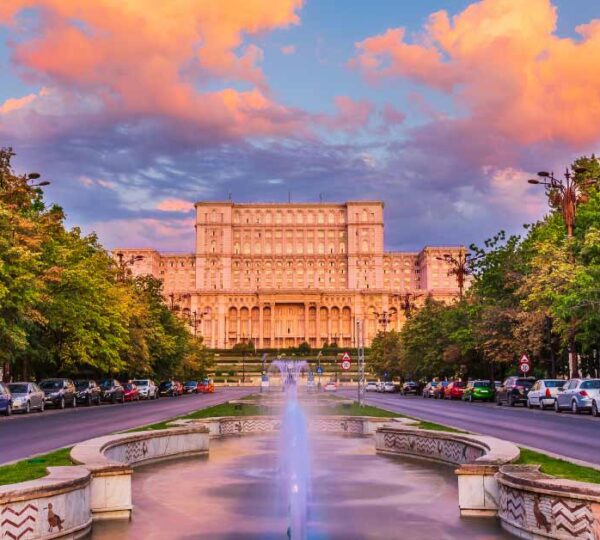
Bucharest in April and May is genuinely worth timing a trip around for one specific reason: the city maps around 600 flowering magnolia trees, concentrated enough in some parks that it’s worth a dedicated walk rather than a passing glance. Further into the mountains, rhododendron fields bloom past the well-known Prahova Valley routes, particularly around Răteiu and Leaota after mid-spring, and the Dumbrava Vadului Natural Reserve, about 60 km from Brașov toward Făgăraș, holds one of the largest wild daffodil fields in Europe – not something most itineraries include, and worth the detour if you’re already in the area. Bulgaria’s version of the same show is smaller-scale but everywhere: crocuses on the hillsides, snowdrops in city parks and countryside alike.
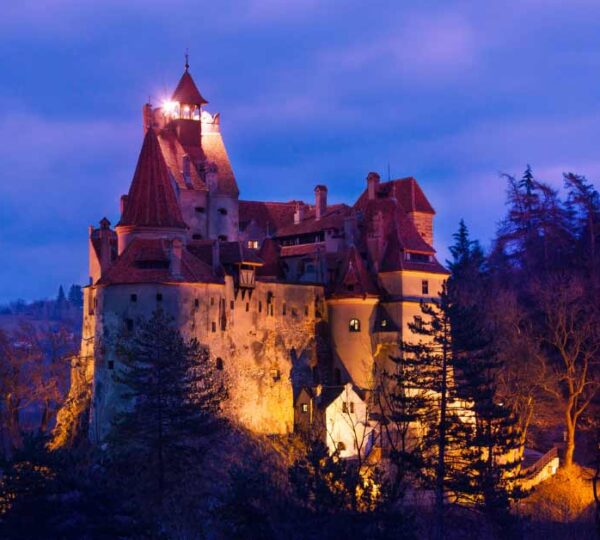
For where to actually spend spring days: Transylvania’s old towns work well against the blooming countryside, Bucovina’s painted monasteries sit well against orchards in flower, and Plovdiv in Bulgaria runs its open-air theatre and arts scene right through the season. Ropotamo Nature Reserve, further south on Bulgaria’s coast, is a genuine outlier worth knowing about: a river reserve where the Ropotamo meets the Black Sea through sand dunes and water lilies, with boat trips running the river itself – it’s not a beach destination, it’s the opposite of one, and spring is when it’s quietest.

Romania and Bulgaria in summer (June to August)
This is peak season, and it’s worth being honest about what that means. Bucharest regularly hits 28-30°C in July and August, with heat waves pushing into the high 30s some years, while the Black Sea coast stays a few degrees cooler thanks to the water – sea temperatures reach around 24-25°C by August. The coast is also where prices spike hardest and hotels fill up first, particularly the last two weeks of July and all of August, so if budget or crowds matter more to you than guaranteed beach weather, this is the stretch to avoid on the coast specifically.
Up in the mountains, summer means the opposite problem solved: Rila’s alpine lakes and Romania’s Carpathian trails stay cool even when the cities are baking, and this is the actual hiking season for both ranges, not winter’s snow-covered version.
Two festivals worth knowing the real dates for, since an earlier version of this article had them wrong: the Sibiu International Theatre Festival runs in June, not autumn – it’s a ten-day event and one of the largest performing arts festivals in Europe. And the Varna Summer International Music Festival, despite the name suggesting it should be obvious, actually runs from late June through September, not spring – Bulgaria’s oldest festival, built around classical music, opera, and ballet along the coast.

Romania and Bulgaria in autumn (September to November)
September in both countries still runs warm, often 20°C or better during the day, with a real drop by November as temperatures head toward freezing in the mountains. The crowds thin out faster than the temperature drops, which is the actual case for autumn: you get most of summer’s accessibility with a fraction of the people.
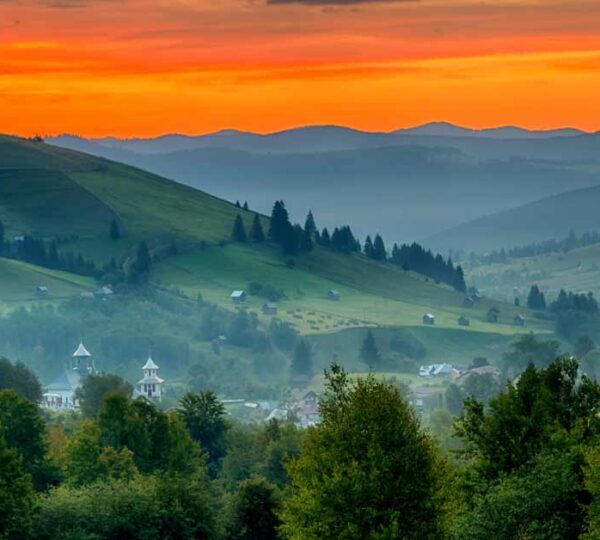
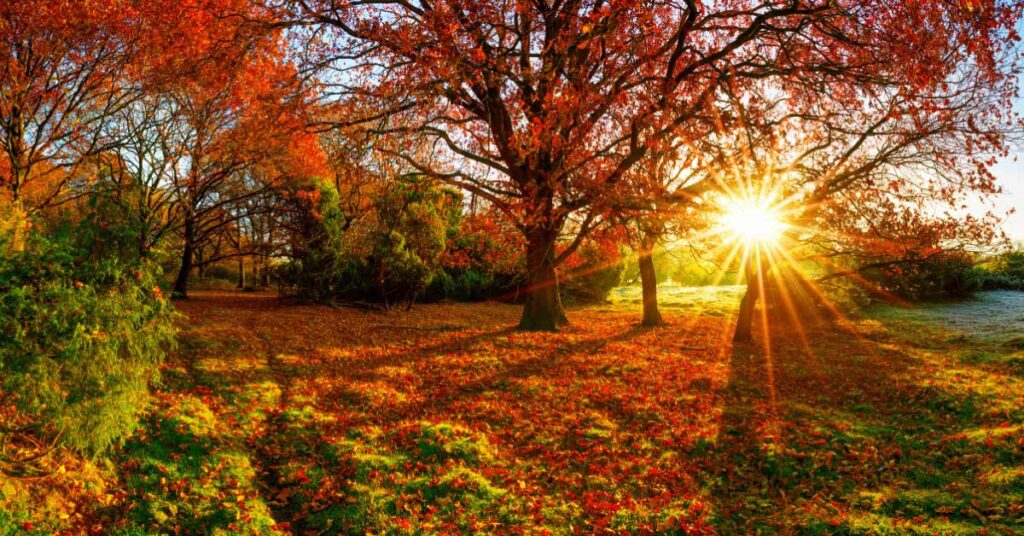
Foliage is genuinely the headline here, and it’s not limited to Bulgaria’s Rila range – the Carpathians color up through Bicaz Gorge and the Bucegi foothills, and Bucovina’s orchards turn alongside the painted monasteries for a combination summer and winter can’t match. This is also grape harvest season in Romania’s Dealu Mare and Cotnari wine regions, if you’d rather build a trip around wine than hiking.
Two more corrections from the earlier version: the Bucharest International Film Festival actually runs in September, not spring – it’s Romania’s longest-running film festival, dedicated to first and second features from international directors. And the International Fair of Traditional Crafts at the Etar open-air museum near Gabrovo genuinely does run in early September, so that one was placed correctly the first time – it’s the only fair in Bulgaria built around strict museum-standard traditional technique rather than general handicrafts.
For where to spend autumn specifically: Maramureș‘s wooden churches sit particularly well against turning hillsides, Rila Monastery and the Seven Rila Lakes trail catch the same colors on the Bulgarian side, and Brașov’s old town empties out just enough to actually enjoy Piața Sfatului without fighting for space.
Romania and Bulgaria in winter (December to February)
I’ve covered winter in enough depth elsewhere that I won’t repeat it all here – the honest short version is that it trades daylight and easy logistics for skiing, genuinely unique cultural traditions, and empty landmarks nobody else is fighting you for.

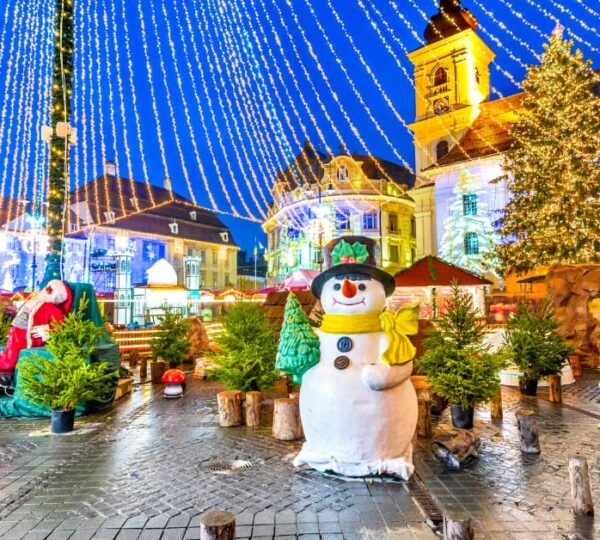
If winter is what you’re planning around, these cover it in full: where to actually go between the ski towns, the frozen alpine lake, and the rural villages; Poiana Brașov versus Bansko for skiing specifically; the real winter traditions worth planning a trip around, dates included; and what to actually pack, since generic “dress warm” advice doesn’t hold up once you’re standing outside at dawn for a festival. Bucharest and Sofia’s Christmas markets are the easiest, lowest-commitment version of winter here if the rest sounds like more than you want to take on.

Which season actually fits your trip
If you’re undecided and want one answer anyway: for a first visit, I’d point people toward the last two weeks of May or the first half of September – warm enough for full days out, before or after the price and crowd spikes that hit in July and August, with everything actually open.
If budget is your main constraint, avoid the coast in peak summer specifically; inland and mountain prices don’t move nearly as much. If a specific thing is driving the trip – skiing, foliage, a particular festival, the daffodil field outside Brașov – build around that date first and accept whatever crowd or weather trade-off comes with it, rather than optimizing for “perfect” weather and missing the thing you actually wanted to see.\